Bernard Vorhaus
Director
Born: December 25, 1898 in New York City, New York, USA Died: November 23, 1979 Active: 1930-1957
Films
2 films
About Bernard Vorhaus
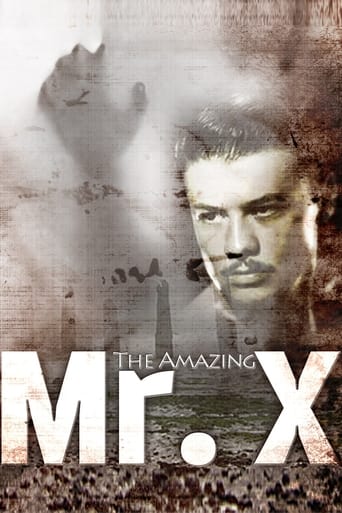
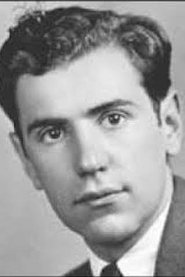
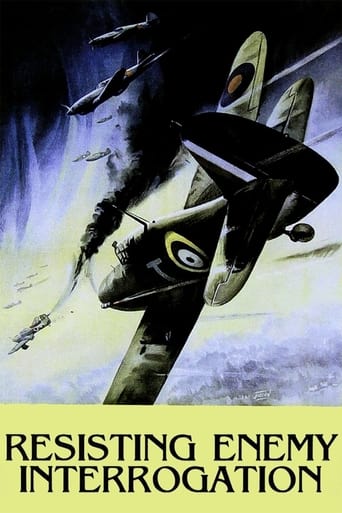
American film director who became known for his work during Hollywood's Golden Age, particularly in the film noir genre. Born on Christmas Day 1898 in New York City, Vorhaus began his career in the film industry during the 1930s and quickly established himself as a capable director of low-budget but effective films. He served in the U.S. Army during World War II, where he directed the training film 'Resisting Enemy Interrogation' (1944), which was later released commercially. After the war, he directed several notable films including 'The Amazing Mr. X' (1948), a classic film noir that showcased his ability to create atmospheric tension with limited resources. Vorhaus was blacklisted during the McCarthy era due to his alleged communist sympathies, which effectively ended his Hollywood career. He relocated to England in the 1950s, where he continued directing under pseudonyms before eventually retiring from filmmaking. Vorhaus spent his later years in London, where he passed away in 1979, leaving behind a legacy of efficient, stylish filmmaking that influenced subsequent generations of directors.
The Craft
Behind the Camera
Vorhaus was known for his economical and efficient directing style, particularly adept at creating atmospheric tension and suspense with limited resources. His approach emphasized visual storytelling and mood over dialogue, using lighting and camera angles to build psychological tension. He was particularly skilled in the film noir genre, where his ability to work quickly and effectively under budget constraints became. Vorhaus often employed deep focus photography and innovative camera movements to enhance the psychological depth of his scenes.
Milestones
- Directed 'The Amazing Mr. X' (1948), a classic film noir
- Created wartime training film 'Resisting Enemy Interrogation' (1944)
- Blacklisted during McCarthy era, ending his Hollywood career
- Relocated to England and continued directing under pseudonyms
- Known for efficient filmmaking on low budgets
- Pioneered techniques in creating atmospheric tension
Best Known For
Must-See Films
Accolades
Special Recognition
- Posthumous recognition as a notable film noir director
Working Relationships
Worked Often With
Studios
Why They Matter
Impact on Culture
Bernard Vorhaus made a significant cultural impact through his contributions to the film noir genre, particularly during its golden age in the 1940s. His work on 'The Amazing Mr. X' helped establish many of the visual and narrative conventions that would define film noir for decades to come. During World War II, his training film 'Resisting Enemy Interrogation' served an important patriotic purpose, helping prepare military personnel for potential capture. Vorhaus's blacklisting also made him part of a larger cultural story about the impact of McCarthyism on Hollywood, highlighting the political pressures faced by artists during the Cold War era.
Lasting Legacy
Bernard Vorhaus's legacy lies primarily in his contributions to film noir and his reputation as a director who could deliver quality results under challenging conditions. His films, particularly 'The Amazing Mr. X,' are now regarded as classics of the noir genre and are frequently studied in film schools for their technical innovations and atmospheric qualities. Vorhaus is remembered as part of the generation of Hollywood talents whose careers were disrupted by the Red Scare, serving as a reminder of the political pressures that shaped mid-century American cinema. His efficient directing techniques and ability to create compelling narratives on limited budgets continue to influence independent filmmakers today.
Who They Inspired
Vorhaus influenced subsequent generations of directors through his innovative use of lighting and camera techniques in film noir. His collaboration with cinematographer John Alton resulted in visual approaches that would be emulated by countless filmmakers. Directors working in the noir and thriller genres, particularly those working with limited budgets, have drawn inspiration from Vorhaus's economical yet effective methods. His work also influenced British B-movie directors during his time in England, where he shared his Hollywood expertise with the local film industry.
Off Screen
Bernard Vorhaus led a relatively private personal life, though his political beliefs would later significantly impact his career. He was married twice during his lifetime, with his first marriage ending in divorce. His second marriage was to British actress Joan Hopkins, whom he met after relocating to England. Vorhaus had no children from either marriage. He was known among colleagues as an intellectual director who was well-read and politically conscious, which ultimately contributed to his blacklisting during the Red Scare.
Education
Graduated from Columbia University with a degree in engineering before transitioning to filmmaking
Family
- First wife (1930s-1940s)
- Joan Hopkins (1950s-1979)
Did You Know?
- Born on Christmas Day 1898
- Originally studied engineering at Columbia University
- Served in the U.S. Army Signal Corps during WWII
- Was blacklisted during the McCarthy era for alleged communist sympathies
- Continued directing in England under pseudonyms
- The Amazing Mr. X was also released as 'The Spiritualist'
- His film 'Resisting Enemy Interrogation' was initially classified military footage
- Worked frequently with cinematographer John Alton
- Died in London on his 81st birthday eve
- His films have been rediscovered and celebrated by noir enthusiasts in recent decades
In Their Own Words
In filmmaking, limitations often breed creativity
A good director knows how to make a dollar look like ten on screen
The best noir comes from the shadows, not just in lighting but in the human soul
Frequently Asked Questions
Who was Bernard Vorhaus?
American on YTB.my. X' (1948). He was blacklisted during the McCarthy era and later continued his career in England.
What films is Bernard Vorhaus best known for?
Titles linked here include The Amazing Mr. X (1948), Resisting Enemy Interrogation (1944).
When was Bernard Vorhaus born and when did he die?
Born December 25, 1898; died November 23, 1979.
What awards did Bernard Vorhaus win?
While Bernard Vorhaus did not receive major formal awards during his lifetime, his films have gained posthumous recognition as classics of the film noir genre. His work is now celebrated by film historians and noir enthusiasts.
What was Bernard Vorhaus's directing style?
Vorhaus was known for his economical and efficient directing style, excelling at creating atmospheric tension and suspense with limited resources. He emphasized visual storytelling, used innovative lighting techniques, and was particularly skilled in the psychological thriller and film noir genres.
Why did Bernard Vorhaus leave Hollywood?
Vorhaus left Hollywood after being blacklisted during the McCarthy era in the early 1950s due to alleged communist sympathies. This political persecution effectively ended his American career, prompting his relocation to England where he continued directing under pseudonyms.
How did Bernard Vorhaus contribute to World War II efforts?
During World War II, Vorhaus served in the U.S. Army Signal Corps and directed 'Resisting Enemy Interrogation' (1944), a training film designed to prepare military personnel for potential capture and interrogation by enemy forces.