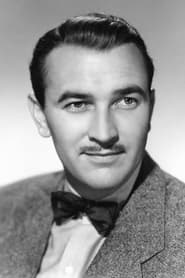
Lee Bowman
Actor
Born: December 28, 1914 in Cincinnati, Ohio, USA Died: December 25, 1979 Active: 1937-1955 (film), 1950s-1979 (television)
Films
1 film
About Lee Bowman
American actor who flourished during Hollywood's Golden Age, beginning his film career in the late 1930s after initial work on Broadway. He quickly established himself as a reliable supporting actor and occasional leading man, known for his sophisticated demeanor and polished screen presence. Bowman appeared in numerous notable films throughout the 1940s, working with major studios including MGM, Warner Bros., and Universal. His career was temporarily interrupted by military service during World War II, where he served in the United States Army Air Forces. After returning to civilian life, he resumed his film career and successfully transitioned to television in the 1950s, appearing in numerous series and made-for-TV movies until his death in 1979. Bowman was married twice, first to actress Adrienne Ames and later to Helene Stanley, a Disney animator and live-action reference model.
The Craft
On Screen
Lee Bowman was known for his sophisticated, polished demeanor on screen, portraying characters with natural elegance and charm. He often played romantic leads or refined gentlemen, with an acting style that was subtle and restrained. His approach fit perfectly with the Hollywood studio system's ideal of male leads during the Golden Age, emphasizing smooth delivery and urbane sophistication. Bowman had the ability to convey emotion through subtle expressions rather than overt gestures, making him particularly effective in dramatic and romantic roles.
Milestones
- Film debut in 'The Great Gambini' (1937)
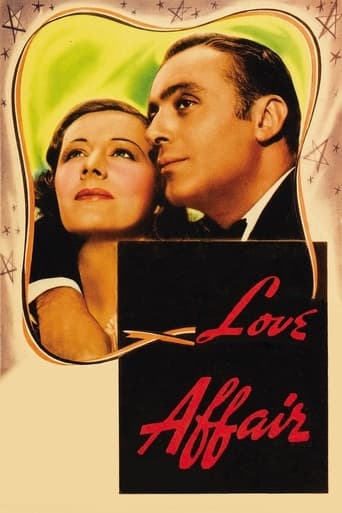
- Appeared in the classic 'Love Affair' (1939)
- Starred in 'Buck Privates' (1941) with Abbott and Costello
- Leading role in 'The Man Who Walked Alone' (1945)
- Successful transition to television in the 1950s
- Appeared in over 50 films during his career
Best Known For
Iconic Roles
Must-See Films
Working Relationships
Worked Often With
Studios
Why They Matter
Impact on Culture
Lee Bowman contributed to Hollywood's Golden Age as a reliable supporting actor and occasional leading man, representing the type of polished performer that studios depended on. His appearance in 'Love Affair' (1939) placed him in. The film was so significant that it was remade twice: as 'An Affair to Remember' (1957) with Cary Grant and Deborah Kerr, and again in 1994 with Warren Beatty and Annette Bening. Bowman's work in Abbott and Costello's 'Buck Privates' (1941) connected him to. His successful transition to television in the 1950s demonstrated adaptability to changing media landscapes, making him part of the generation of film actors who successfully crossed over to the small screen during television's golden age.
Lasting Legacy
Lee Bowman's legacy lies in his body of work from Hollywood's Golden Age, representing the type of polished, reliable character actor that studios depended on to round out their productions. While never achieving top-tier stardom, he appeared in several notable films that have become classics and continue to be shown on classic movie channels and at film festivals. His films preserve his contributions to cinema, particularly his role in the original version of 'Love Affair,' which remains an important film in the romantic genre. Bowman's career trajectory—from Broadway to Hollywood films to television—exemplifies the journey of many actors of his generation who adapted to the rapidly changing entertainment industry of the mid-20th century.
Who They Inspired
Bowman's influence was primarily in his professional example rather than as a trendsetter in acting technique or style. His smooth, understated acting style represented the studio system's ideal of male leads of the era, emphasizing sophistication and restraint over emotional excess. His successful transition to television provided a model for other film actors facing the industry's changes in the 1950s, demonstrating how established film actors could find new audiences and opportunities in the emerging medium. Bowman's ability to work across genres—from romantic dramas to comedies to film noir—showed the versatility required of character actors during Hollywood's Golden Age.
Off Screen
Lee Bowman was known for his private nature off-screen and rarely gave interviews about his personal life. He married actress Adrienne Ames in 1938, but they divorced in 1941. In 1947, he married Helene Stanley, an actress who later became a live-action reference model for Disney animations. They remained married until Bowman's death in 1979 and had one daughter together. Bowman — accomplished polo player and licensed pilot, often flying himself to film locations. In his later years, he owned and operated a successful restaurant in Beverly Hills.
Education
Limited information is available about Bowman's formal education, though he likely attended schools in Cincinnati before pursuing acting on Broadway.
Family
- Adrienne Ames (1938-1941)
- Helene Stanley (1947-1979)
Did You Know?
- Appeared in the original 'Love Affair' (1939), which was later remade as 'An Affair to Remember' (1957) and again in 1994
- Served in the United States Army Air Forces during World War II, temporarily interrupting his film career
- His second wife, Helene Stanley, was the live-action reference model for Disney's Princess Aurora in 'Sleeping Beauty' (1959)
- Was an accomplished polo player and often participated in celebrity matches
- Made his Broadway debut before transitioning to films in Hollywood
- Was considered for the role of Ashley Wilkes in 'Gone with the Wind' (1939), though the part eventually went to Leslie Howard
- In his later years, owned and operated a successful restaurant in Beverly Hills
- Died of a heart attack on Christmas Day 1979, just three days before his 65th birthday
- Was a licensed pilot and often flew himself to film locations
- Appeared in over 50 films during his career, though many were uncredited or minor roles
Frequently Asked Questions
Who was Lee Bowman?
American with credits in this catalog. He appeared in numerous films, often as a romantic lead or sophisticated supporting character. Bowman later transitioned to television and continued acting until his death in 1979.
What films is Lee Bowman best known for?
Titles linked here include Love Affair (1939), Buck Privates (1941).
When was Lee Bowman born and when did he die?
Born December 28, 1914; died December 25, 1979.
What awards did Lee Bowman win?
Lee Bowman did not receive major awards during his career, nor was he nominated for significant industry honors. His contributions were primarily as a reliable character actor in Hollywood's studio system.
What was Lee Bowman's acting style?
Lee Bowman was known for his sophisticated, polished demeanor on screen. He portrayed characters with natural elegance and charm, often playing romantic leads or refined gentlemen. His acting style was subtle and restrained, fitting well with the Hollywood studio system's approach to leading men of the era.
Was Lee Bowman married?
Yes, Lee Bowman was married twice. His first marriage was to actress Adrienne Ames from 1938 to 1941. He later married Helene Stanley, a Disney animator and actress, in 1947, and they remained married until his death in 1979.
Did Lee Bowman serve in the military?
Yes, Lee Bowman served in the United States Army Air Forces during World War II, which temporarily interrupted his film career. He returned to acting after completing his military service.