Dannie Mac Grant
Actor
- Active
- 1929-1929
Films 1
About Dannie Mac Grant
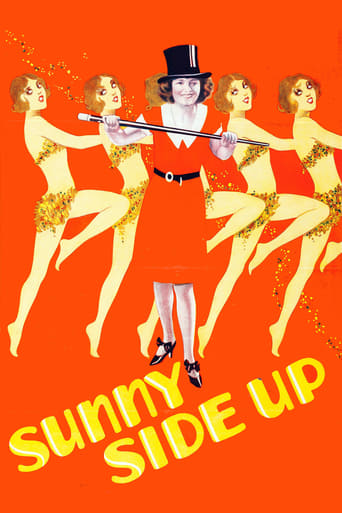
Dannie Mac Grant is a very obscure early film performer whose surviving screen credit places him in the 1929 MGM musical extravaganza Sunny Side Up. Available reference sources do not presently preserve a substantial biographical record for him, and he appears to have been a minor or extra-level screen participant rather than a regularly billed star. Because of that scarcity, many core facts of his life, including his birth, death, training, and later career, remain undocumented in commonly accessible classic-film references. His name survives primarily through filmographic listings connected to the transition from silent cinema to sound, when studios employed large numbers of small-part players, dancers, and background performers in musical productions. The surviving evidence suggests that his career in motion pictures, if any beyond this title, was brief or not comprehensively recorded. As with many lesser-documented performers of the late 1920s, his contribution is best understood as part of the vast labor force that helped populate early Hollywood productions rather than as a prominently publicized star career. Further archival research in studio records, trade publications, or census materials would be necessary to establish a fuller personal biography.
More about Dannie Mac Grant
In film history
Dannie Mac Grant's cultural impact is necessarily modest and indirect, but his presence in Sunny Side Up situates him within one of the key moments of film history: the rapid transition from silent cinema to talking pictures and screen musicals. Performers like him filled out the casts of elaborate studio productions that helped establish the visual and performance style of early sound-era entertainment. Even when little personal information survives, credited names from this period matter because they document the breadth of the studio workforce and the many artists whose labor supported Hollywood's most visible stars. His name endures as a small but authentic trace of the personnel behind MGM's late-1920s musical output. In archival terms, such names are valuable evidence of how productions were assembled and how many performers participated in the making of early commercial cinema.
Later reputation
His legacy lies less in fame than in historical record. Dannie Mac Grant is part of the long tail of early Hollywood contributors whose names survive in credits and reference databases, allowing modern researchers to reconstruct the personnel of classic films. For scholars of the silent-to-sound transition, even a single credit can help map studio practices, casting patterns, and the broad pool of talent employed by major companies like MGM. His surviving association with Sunny Side Up makes him a documented, if elusive, participant in one of the era's notable musical films. In that sense, his legacy is archival: he remains a name attached to a specific moment in film history, even if the rest of his career has been lost to time.
Influence
There is no evidence that Dannie Mac Grant had a documented influence on prominent actors or directors in the traditional sense. However, as part of the ensemble and supporting labor behind early musical filmmaking, he contributed to the on-screen texture and production scale that shaped audience expectations for sound-era entertainment. His broader influence is therefore historical rather than personal: he stands for the countless credited and uncredited performers whose work made classic Hollywood productions possible.
Off screen
No reliable public information has been found concerning Dannie Mac Grant's personal life, including marriages, family background, residence, or life after his film work. The available record is so limited that even basic biographical markers such as birth and death dates are not currently verified in accessible classic-cinema sources. He remains one of many early film names preserved primarily by credit lists rather than by contemporary publicity or later biographical scholarship.
Credits
- Appears in the filmography of MGM's 1929 musical Sunny Side Up during the early sound era
- Represents the many lesser-documented performers who contributed to large studio musical productions at the end of the silent period
- Has a surviving screen credit in classic-film databases, preserving his name in early Hollywood history despite limited biographical documentation
Films
- Sunny Side Up (1929)
Studios
- MGM
Notes
- He is associated with only one clearly documented screen credit in accessible classic-film references: Sunny Side Up (1929).
- His name appears in film history at the moment Hollywood was rapidly adapting to synchronized sound.
- He is an example of how many early film workers survive in records only through cast lists and database entries.
- Because of the scarcity of surviving documentation, he may have been a minor player, extra, or specialty performer rather than a headline actor.
- Research into trade papers, studio payroll documents, and local records may be necessary to uncover more about his life.
- His obscurity highlights how many contributors to classic cinema have been largely overlooked by later biographical compilers.
Questions
Who was Dannie Mac Grant?
Dannie Mac Grant was an obscure early film actor whose documented screen presence is tied to the 1929 MGM musical Sunny Side Up. Very little biographical information about him has survived in accessible reference sources, so he is best known today through his film credit rather than through a detailed public career record.
What films is Dannie Mac Grant best known for?
He is best known for Sunny Side Up (1929), the only clearly identifiable screen credit readily associated with him in classic-cinema references. No broader filmography is reliably documented in the available record.
When was Dannie Mac Grant born and when did he die?
His birth date and death date are not currently verified in accessible sources. Likewise, his birthplace and other core biographical details remain unknown from the surviving public record.
What awards did Dannie Mac Grant win?
No awards, nominations, or formal honors are currently documented for Dannie Mac Grant. The available evidence suggests a very limited or poorly documented screen career.
What was Dannie Mac Grant's acting style?
There is not enough surviving information to describe a specific acting style with confidence. Since his documented work is limited to a single 1929 credit, any stylistic assessment would be speculative.
What is Dannie Mac Grant's legacy in film history?
His legacy is primarily archival: he is one of many early Hollywood performers whose names survive through cast lists and film databases. His documented association with Sunny Side Up places him in the early sound era and preserves his place, however small, in classic cinema history.