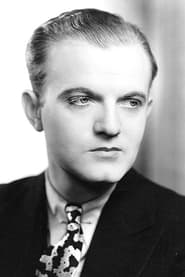
Anderson Lawler
Actor
Born: September 23, 1902 in Texas, USA Died: April 9, 1943 Active: 1929-1930
Films
3 films
About Anderson Lawler
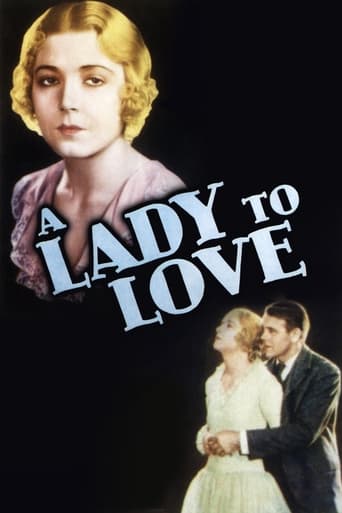
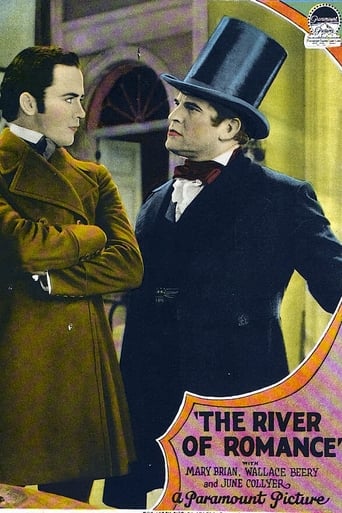
The 1929 film The River of Romance is the only title linked here for Anderson Lawler. His most notable roles came in 'The River of Romance' (1929) opposite Charles Farrell and 'A Lady to Love' (1930) starring Edward G. Robinson, both films representing the industry's adaptation to sound. Lawler was likely signed as a contract player during this chaotic period when studios were desperately seeking actors with suitable voices for the new medium. His career was brief, typical of many actors who couldn't successfully make the transition or establish themselves during the early sound era. After his film career ended around 1930, Lawler largely disappeared from public view, though he remained in Los Angeles until his death in 1943 at age 40, leaving behind a small but representative filmography of early sound cinema.
The Craft
On Screen
Lawler's acting style was representative of the transitional period between silent and sound cinema, likely combining the exaggerated gestures of silent film with the more naturalistic approach required for sound. His brief filmography suggests he was a character actor rather than a leading man, possibly specializing in supporting roles that required clear diction and stage presence for the new sound medium.
Milestones
- Appeared in early sound films during Hollywood's transition to talkies
- Co-starred with Charles Farrell in 'The River of Romance' (1929)
- Appeared in Edward G. Robinson film 'A Lady to Love' (1930)
- Worked during the pivotal year of 1929 when sound revolutionized cinema
Best Known For
Iconic Roles
Must-See Films
Working Relationships
Worked Often With
Studios
Why They Matter
Impact on Culture
Anderson Lawler represents the thousands of actors who briefly appeared during Hollywood's turbulent transition to sound films in the late 1920s. While not a major star, his career exemplifies the challenges faced by actors during this technological revolution when many established silent film stars couldn't adapt to sound, and new actors were rapidly tested and often discarded. His filmography serves as a historical record of the experimental nature of early sound cinema and the vast turnover of talent during this period.
Lasting Legacy
Lawler's legacy is primarily as a representative figure of early sound cinema's transitional period. His brief career illustrates the precarious nature of stardom during Hollywood's technological upheaval and serves as a reminder of the many actors whose careers were fleeting during this transformative era. Film historians studying the transition from silent to sound films might find his work valuable as an example of the types of actors and roles that populated early sound productions.
Who They Inspired
Due to his brief career and limited filmography, Anderson Lawler had minimal direct influence on other actors or filmmakers. However, as part of the generation that helped establish sound cinema conventions, he contributed to the development of acting techniques for the new medium, even if indirectly. His work, like that of many supporting actors of his era, helped studios understand what types of performances worked best in early sound films.
Off Screen
Very little is documented about Anderson Lawler's personal life, which was not uncommon for supporting actors of his era who never achieved major stardom. He remained unmarried according to available records and had no known children. After his brief film career ended, he lived quietly in Los Angeles until his death at age 40. His early death suggests possible health issues or the difficult circumstances many former actors faced during the Great Depression.
Education
No educational records are available for Anderson Lawler, which was typical for many actors of his era who entered the film industry through various informal routes rather than formal training.
Did You Know?
- Anderson Lawler's entire film active years covered only about two years during the critical transition to sound films
- He was born in Texas but moved to California to pursue acting
- His death at age 40 was relatively young, even by 1940s standards
- He appeared in films during the same year as the first Academy Awards ceremony (1929)
- Like many actors of his era, he likely had stage experience before entering films
- His career coincided with the stock market crash of 1929 and the beginning of the Great Depression
- No photographs or extensive biographical information about him survive in major film archives
- He represents the typical journeyman actor of early sound cinema rather than a major star
In Their Own Words
No documented famous quotes are available from Anderson Lawler, which was common for supporting actors of his era who rarely gave interviews or had their words preserved in print.
Frequently Asked Questions
Who was Anderson Lawler?
Screen credits include several films during the transition from silent movies to talkies in 1929-1930. He had supporting roles in films like 'The River of Romance' and 'A Lady to Love' but his career was brief, lasting only about two years before he disappeared from the film industry.
What films is Anderson Lawler best known for?
Titles linked here include The River of Romance (1929), A Lady to Love (1930).
When was Anderson Lawler born and when did he die?
Born September 23, 1902; died April 9, 1943.
What awards did Anderson Lawler win?
Anderson Lawler did not receive any major awards or nominations during his brief career. This was typical for supporting actors of his era who had limited filmographies and never achieved the level of stardom that would warrant such recognition.
What was Anderson Lawler's acting style?
Lawler's acting style was representative of the transitional period between silent and sound films, likely combining the expressive gestures of silent cinema with the more naturalistic approach required for sound. As a supporting actor, he probably adapted his performance style to suit the new technical requirements of early sound recording.
Why was Anderson Lawler's career so short?
Lawler's brief career was typical of many actors during Hollywood's chaotic transition to sound films. Studios were rapidly testing actors for voice suitability and screen presence in the new medium, and many contract players like Lawler were quickly replaced if they didn't connect with audiences or establish themselves during this competitive period.