John G. Adolfi
Actor & Director
Born: February 19, 1888 in New York City, New York, USA Died: May 25, 1933 Active: 1912-1933 Birth Name: John George Adolfi
Films
3 films

About John G. Adolfi
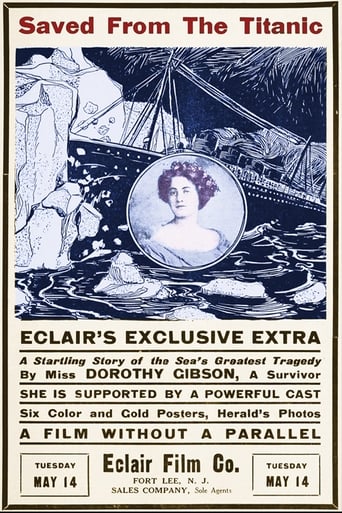
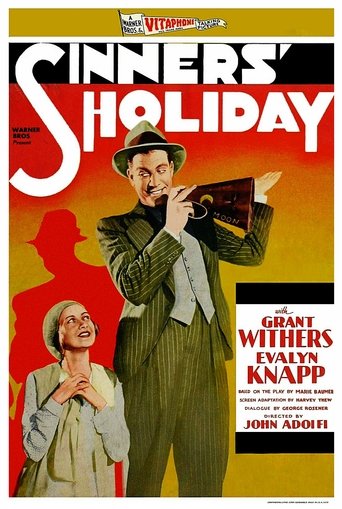
Made significant contributions during the silent era and early sound period. Born in New York City in 1888, Adolfi began his career as an actor in the early 1910s, appearing in numerous short films including the notable 'Saved from the Titanic' (1912), one of the earliest cinematic depictions of the maritime disaster. He transitioned to directing around 1915, helming dozens of silent features throughout the 1910s and 1920s for various studios. Adolfi found his greatest success at Warner Bros., where he directed several prestigious productions including the all-star revue 'The Show of Shows' (1929), one of the studio's most ambitious early talkies. He developed a professional relationship with John Barrymore, directing the actor in multiple films including 'The Man Who Played God' (1922) and 'General Crack' (1929). Adolfi's career was cut short when he died unexpectedly in 1933 at the age of 44, leaving behind a substantial body of work that exemplified the transition from silent to sound cinema.
The Craft
On Screen
As an actor during the early silent era, Adolfi employed the exaggerated gestures and dramatic expressions typical of the period. His performances were characterized by theatricality and clear emotional conveyance suitable for the medium of silent film, though his acting career was relatively brief compared to his directing work.
Behind the Camera
Adolfi was known for his efficient, workmanlike approach to filmmaking, capable of handling both intimate dramas and large-scale productions. He demonstrated particular skill in managing ensemble casts, as evidenced by 'The Show of Shows,' and showed adaptability in the transition to sound technology. His direction was technically competent rather than particularly innovative, focusing on clear storytelling and commercial appeal.
Milestones
- Directed 'The Show of Shows' (1929), Warner Bros.' ambitious all-star revue
- Acted in 'Saved from the Titanic' (1912), one of the earliest Titanic films
- Directed multiple John Barrymore films
- Transitioned successfully from silent films to early talkies
- Directed over 60 films during his career
Best Known For
Iconic Roles
Must-See Films
Accolades
Special Recognition
- Hollywood Walk of Fame star (Motion Pictures)
Working Relationships
Worked Often With
Studios
Why They Matter
Impact on Culture
John G. Adolfi contributed significantly to the evolution of American cinema during its formative years. His work on 'The Show of Shows' represented. His direction of John Barrymore in several features helped document the actor's work during the transition to sound. Adolfi's career trajectory from actor to director exemplified the professional mobility possible in early Hollywood, while his ability to adapt to technological changes demonstrated the flexibility required of filmmakers during this transformative period.
Lasting Legacy
Though not as widely remembered as some of his contemporaries, John G. Adolfi left behind a substantial body of work that documents the evolution of American cinema from the silent era to early sound. His films serve as valuable historical artifacts, particularly 'Saved from the Titanic,' which represents an early example of disaster cinema. His collaboration with major stars like John Barrymore and his work on prestigious productions for Warner Bros. Established him as a reliable studio director during Hollywood's golden age of studio production. Adolfi's career represents the typical journey of many early Hollywood craftsmen who helped build the film industry from its infancy into a dominant cultural force.
Who They Inspired
While John G. Adolfi was not known for developing a distinctive cinematic style that influenced subsequent generations of filmmakers, his work contributed to the development of the studio system and the ensemble film format. His approach to managing large casts in productions like 'The Show of Shows' provided a template for later anthology and revue films. His successful transition from silent to sound cinema demonstrated techniques that other directors would emulate during this challenging technological shift.
Off Screen
John G. Adolfi was married to actress Lillian Walker, with whom he occasionally collaborated professionally. The couple remained together until Adolfi's death in 1933. His relatively early death at age 44 cut short a productive career during a pivotal period in cinema history.
Education
Limited formal education in the arts; learned filmmaking through practical experience in the early film industry
Family
- Lillian Walker (1915-1933)
Did You Know?
- Appeared as an actor in one of the earliest films about the Titanic disaster, 'Saved from the Titanic' (1912)
- Directed over 60 films during his relatively brief career
- Worked with John Barrymore on multiple occasions, including both silent and sound films
- His final completed film was 'The Show of Shows' (1929),
- Died at age 44, just as the sound era was fully establishing itself in Hollywood
- His wife Lillian Walker was a popular actress of the silent era
- The Show of Shows featured nearly every major star under contract to Warner Bros. At the time
- Began his career as an actor before transitioning to directing
- Worked for multiple major studios during his career, showing versatility in adapting to different production environments
- His films often featured elements of spectacle and grandeur, particularly during his Warner Bros. Period
Frequently Asked Questions
Who was John G. Adolfi?
American on YTB.my. He directed over 60 films between 1915 and 1929, including the Warner Bros. All-star revue 'The Show of Shows' (1929), and began his career as an actor, appearing in films like 'Saved from the Titanic' (1912).
What films is John G. Adolfi best known for?
Titles linked here include The Show of Shows (1929), Saved from the Titanic (1912).
When was John G. Adolfi born and when did he die?
Born February 19, 1888; died May 25, 1933.
What awards did John G. Adolfi win?
While John G. Adolfi did not receive major film awards during his lifetime, he was honored posthumously with a star on the Hollywood Walk of Fame for his contributions to motion pictures. His work, particularly 'The Show of Shows,' was recognized for its technical achievements during the transition to sound.
What was John G. Adolfi's directing style?
Adolfi was known for his efficient, workmanlike approach to filmmaking, capable of handling both intimate dramas and large-scale productions. He demonstrated particular skill in managing ensemble casts and showed adaptability in the transition to sound technology, focusing on clear storytelling and commercial appeal rather than artistic innovation.