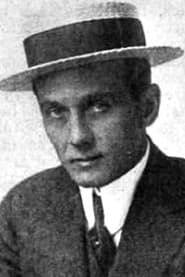
Frank Hall Crane
Actor
Born: 1873 in Syracuse, New York, United States Died: 1948 Active: 1910-1911
Films
6 films
About Frank Hall Crane
American actor who worked during the earliest years of American cinema, appearing in silent films during the transitional period when motion pictures were evolving from short novelty subjects to narrative storytelling. His brief but significant from 1910 to 1911, placing him among the pioneers of the film industry when it was still establishing itself as a legitimate art form and entertainment medium. Crane worked primarily with the Thanhouser Company, one of the American film studios based in New York, which was known for producing high-quality dramatic films during the early 1910s. His performances in films like 'Daddy's Double,' 'The Mermaid,' and 'Cinderella' demonstrated the acting techniques of the era, which relied heavily on exaggerated gestures and facial expressions to convey emotion without synchronized sound. While his film career was relatively short, Crane contributed to the development of narrative cinema during its formative years, helping establish the language of film acting that would evolve throughout the silent era. His work represents an important snapshot of early American filmmaking techniques and the transition from stage acting to screen performance.
The Craft
On Screen
Crane's acting style was typical of the transitional period between stage melodrama and naturalistic film performance, utilizing broad gestures and expressive facial techniques necessary for silent film communication. His performances emphasized clear emotional storytelling through physical expression, a technique essential when actors could not rely on dialogue. Like many actors of his era who came from theatrical backgrounds, Crane had to adapt his stage techniques for the intimacy of the camera, learning to moderate his expressions for the medium's unique requirements.
Milestones
- Early pioneer of American silent cinema
- Contract player with Thanhouser Company
- Appeared in some of the earliest narrative feature films
- Transitioned from stage to film acting during cinema's formative years
Best Known For
Iconic Roles
Must-See Films
Accolades
Special Recognition
- Recognized as early cinema pioneer by film historians
Working Relationships
Worked Often With
Studios
Why They Matter
Impact on Culture
Frank Hall Crane represents the generation of performers who helped establish the foundation of American cinema during its most experimental and formative years. His work with the Thanhouser Company contributed to the development of narrative film techniques and the evolution of screen acting as a distinct art form separate from theatrical performance. As an early film actor, Crane was part of the transition that helped cinema move from simple novelty attractions to sophisticated storytelling mediums, paving the way for the future stars and techniques that would define Hollywood's Golden Age.
Lasting Legacy
Though his career was brief, Frank Hall Crane's legacy endures as an example of the actors who risked their reputations in the new and uncertain medium of motion pictures during its infancy. His films, though few surviving, serve as valuable historical documents showcasing early American filmmaking techniques and the evolution of cinematic acting. Film historians and preservationists recognize actors like Crane as essential figures in cinema's development, representing the bridge between 19th-century theatrical traditions and 20th-century film artistry.
Who They Inspired
As an early film actor, Crane's influence lies primarily in his contribution to establishing screen acting conventions during cinema's formative period. His work helped demonstrate that actors could successfully transition from stage to film, encouraging other theatrical performers to embrace the new medium. While he may not have directly mentored future stars, his performances contributed to the evolving language of film acting that would influence generations of performers who followed.
Off Screen
Frank Hall Crane was born in Syracuse, New York, in 1873 and eventually became part of the early American film industry during its years. Like many actors of his generation, he likely began his career in theater before transitioning to the new medium of motion pictures. His brief but notable film career occurred during a pivotal time when cinema was establishing itself as a legitimate art form and entertainment industry. After his film career ended around 1911, details about his later life remain scarce, though he lived until 1948, witnessing the dramatic evolution of cinema from silent shorts to the Golden Age of Hollywood.
Did You Know?
- Worked during the earliest years of American narrative cinema
- Was a contract player for Thanhouser Company, one of America's first major film studios
- His entire known filmography spans only two years (1910-1911)
- Appeared in 'Cinderella' (1911), one of the earliest film adaptations of the classic fairy tale
- Like many early film actors, likely came from a theatrical background
- His career ended just as the film industry was beginning to establish itself in Hollywood
- Few of his films are known to survive today, making him a somewhat mysterious figure in film history
- Represented the transition from stage acting to the new requirements of screen performance
Frequently Asked Questions
Who was Frank Hall Crane?
American with credits in this catalog. He was among the performers who helped establish narrative film as a legitimate art form during cinema's formative period.
What films is Frank Hall Crane best known for?
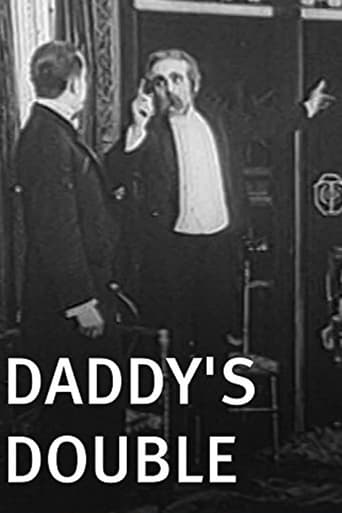
Titles linked here include Daddy's Double (1910), The Mermaid (1910).
When was Frank Hall Crane born and when did he die?
Born 1873; died 1948.
What awards did Frank Hall Crane win?
Frank Hall Crane did not receive formal awards during his career, as he worked during the very early period of cinema before award systems like the Academy Awards were established. He is recognized by film historians as an important pioneer of early American cinema.
What was Frank Hall Crane's acting style?
Crane's acting style was typical of the transitional period between stage and film, featuring broad gestures and expressive facial techniques necessary for silent film communication. He helped develop the screen acting techniques that would evolve throughout the silent era.
Why was Frank Hall Crane's career so brief?
Crane's active years covered only 1910-1911, which was common for many early film actors as the industry was still establishing itself. Many performers from this era either returned to theater or pursued other careers as cinema evolved and centralized in Hollywood.