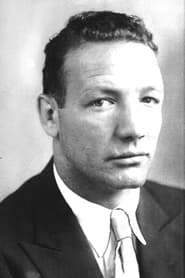
Maxie Rosenbloom
Actor
Born: November 1, 1907 in New York City, New York, USA Died: March 6, 1976 Active: 1930s-1960s Birth Name: Maxwell Rosenbloom
Films
1 film
About Maxie Rosenbloom
Maxwell 'Maxie' Rosenbloom began his career as a professional boxer, becoming the Light Heavyweight Champion of the World in 1930. Known as 'Slapsie Maxie' due to his unorthodox fighting style, he transitioned to acting after his boxing career declined, leveraging his distinctive slurred speech and comedic timing to become a recognizable character actor. His film over three decades, during which he appeared in more than 80 films, often playing lovable but dim-witted characters or comic relief roles. Rosenbloom's most notable period was during the 1930s and 1940s when he was a fixture in Hollywood comedies and dramas. He successfully parlayed his boxing fame into a lucrative acting career, becoming one of the few athletes to successfully make the transition to Hollywood stardom. In addition to films, he also appeared on television in its early years and owned several nightclubs. His unique persona and memorable performances made him a beloved figure in classic Hollywood cinema.
The Craft
On Screen
Known for his distinctive slurred speech pattern and lovable oaf persona, Rosenbloom specialized in comic relief roles, often playing slow-witted but good-hearted characters. His natural comedic timing and unique delivery, which stemmed partially from boxing injuries, became his trademark in Hollywood films. He excelled at physical comedy and had a gift for improvisation, often ad-libbing lines that enhanced his characters' charm.
Milestones
- Won Light Heavyweight Boxing Championship (1930)
- Film debut in 'The Kid from Spain' (1932)
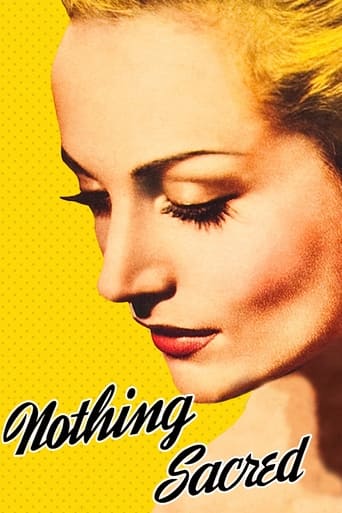
- Memorable role in 'Nothing Sacred' (1937)
- Starred in 'The Slapsie Maxie' film series
- Television appearances in the 1950s
- Owned successful Hollywood nightclub
Best Known For
Iconic Roles
Must-See Films
Accolades
Won
- Inducted into the International Boxing Hall of Fame (1993)
- Boxing Hall of Fame (1972)
Special Recognition
- Star on Hollywood Walk of Fame (for contributions to television)
- Light Heavyweight Boxing Champion (1930-1934)
Working Relationships
Worked Often With
Studios
Why They Matter
Impact on Culture
Maxie Rosenbloom represented a unique bridge between sports and entertainment in early Hollywood, paving the way for future athletes to transition into acting. His distinctive persona and speech pattern became part of the American cultural lexicon, with the term 'Slapsie Maxie' entering popular slang. He helped establish the archetype of the lovable oaf in Hollywood comedies, a character type that would be replicated in numerous films and television shows. His success demonstrated that unconventional looks and speech patterns could become assets in Hollywood, challenging the traditional leading man prototype.
Lasting Legacy
Rosenbloom's lasting legacy is twofold: as a athlete-actor and as a memorable character actor who brought joy to audiences during Hollywood's Golden Age. His boxing achievements alone would have secured his place in sports history, but his successful second career in entertainment made him a true renaissance man of his era. His films continue to be shown on classic movie channels, introducing new generations to his unique comedic talents. The nightclub he owned, 'Slapsie Maxie's,' became a legendary Hollywood hotspot that symbolized the entertainment culture of mid-20th century Los Angeles.
Who They Inspired
Rosenbloom influenced numerous future athletes who sought careers in entertainment, demonstrating that authentic personality could outweigh conventional good looks in Hollywood. His success in playing against type helped expand the range of acceptable character archetypes in American cinema. His distinctive delivery style influenced later comedians who specialized in verbal comedy and unusual speech patterns. The business acumen he showed in his post-acting career served as a model for other entertainers seeking to diversify their income streams beyond performing.
Off Screen
Rosenbloom was married three times and had one son. He owned several successful businesses including nightclubs and restaurants in Hollywood. Despite his on-screen persona as a simple-minded character, he was known in Hollywood circles as a shrewd businessman. His personal life was relatively free of scandal, and he was well-liked by his Hollywood contemporaries for his generosity and good humor.
Education
Limited formal education; left school early to pursue boxing career
Family
- Mildred Rosenbloom (1926-1938)
- Marty Malone (1939-1948)
- Ruth Rosenbloom (1949-1976, his death)
Did You Know?
- His nickname 'Slapsie Maxie' came from his boxing style, which involved open-handed slaps rather than conventional punches
- His slurred speech was partially due to boxing injuries but became his trademark in films
- He appeared in over 80 films during his career
- Was a close friend of fellow boxer-turned-actor Primo Carnera
- His nightclub 'Slapsie Maxie's' was a popular Hollywood hangout in the 1940s and 1950s
- Once fought 27 times in a single year during his boxing career
- Made his film debut without any formal acting training
- Was known for his generosity and often gave money to struggling actors
- Appeared on early television shows including 'The Abbott and Costello Show'
- His boxing record was 207 wins, 24 losses, and 19 draws
In Their Own Words
I may not be the smartest guy in the world, but I'm smart enough to know what I'm good at
Boxing taught me timing, and timing is everything in comedy
In the ring, I learned to take a punch. In Hollywood, I learned to take a joke
People think I'm playing dumb, but I'm just being myself - it's worked pretty well so far
Frequently Asked Questions
Who was Maxie Rosenbloom?
Professional boxer who became a successful Hollywood character with credits in this catalog.' He was the Light Heavyweight Boxing Champion before transitioning to films, where he became famous for his distinctive slurred speech and comedic roles in over 80 movies during Hollywood's Golden Age.
What films is Maxie Rosenbloom best known for?
Titles linked here include Nothing Sacred (1937), The Kid from Spain (1932).
When was Maxie Rosenbloom born and when did he die?
Born November 1, 1907; died March 6, 1976.
What awards did Maxie Rosenbloom win?
Rosenbloom was inducted into the International Boxing Hall of Fame in 1993 and the Boxing Hall of Fame in 1972. He also received a star on the Hollywood Walk of Fame for his contributions to television entertainment.
What was Maxie Rosenbloom's acting style?
Rosenbloom specialized in comic relief roles using his distinctive slurred speech pattern and lovable oaf persona. He excelled at physical comedy and improvisation, often playing slow-witted but good-hearted characters in comedies and dramas.
How did Maxie Rosenbloom get his nickname?
He earned the nickname 'Slapsie Maxie' during his boxing career due to his unorthodox fighting style that emphasized open-handed slaps rather than conventional punches. The nickname stuck with him throughout his entertainment career.
What was Maxie Rosenbloom's boxing record?
During his professional boxing career, Rosenbloom compiled an impressive record of 207 wins, 24 losses, and 19 draws. He held the Light Heavyweight Championship from 1930 to 1934.