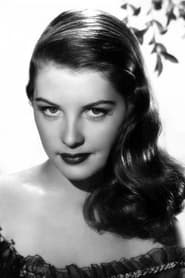
Barbara Bates
Actor
Born: August 6, 1925 in Denver, Colorado, USA Died: March 18, 1969 Active: 1945-1963 Birth Name: Barbara Jane Bates
Films
2 films
About Barbara Bates
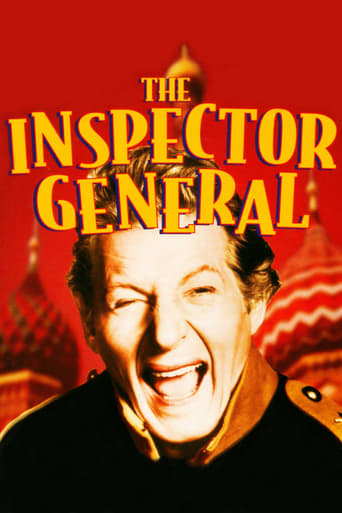
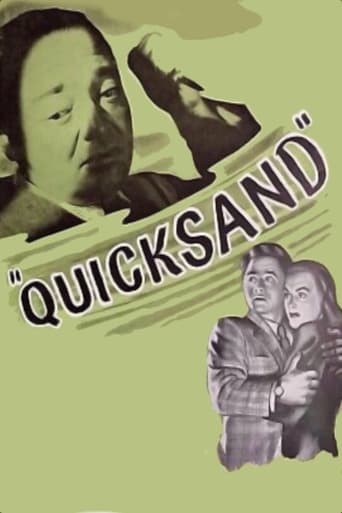
American actress who rose to prominence during Hollywood's Golden Age, initially working as a model before transitioning to acting in the mid-1940s. She secured a contract with Paramount Pictures and appeared in numerous films throughout the late 1940s and early 1950s, establishing herself as a reliable supporting actress with a fresh-faced, girl-next-door appeal. Her most memorable role came as Phoebe, the ambitious young actress in Joseph L. Mankiewicz's masterpiece 'All About Eve' (1950), where her appearance in the film's final scene left a lasting impression on audiences. Bates worked with major stars of the era including Danny Kaye in 'The Inspector General' (1950) and Mickey Rooney in 'Quicksand' (1950), demonstrating versatility across different genres from comedy to film noir. Despite her promising career, her film appearances diminished after the early 1950s, though she continued working in television throughout the decade. Her life ended tragically when she died by suicide at age 43, just two years after the death of her husband, marking the premature end of a career that had shown considerable potential in Hollywood's classic era.
The Craft
On Screen
Barbara Bates was known for her natural, sincere acting style characterized by emotional authenticity and relatability. She excelled at portraying innocent, sweet characters with a girl-next-door appeal that resonated with audiences. Her technique was understated yet effective, allowing her to convey vulnerability and ambition simultaneously, as demonstrated in her role as Phoebe in 'All About Eve.' Bates avoided theatrical mannerisms, instead opting for a more grounded approach that made her characters feel genuine and accessible. This naturalistic style contrasted with the more exaggerated performances common in some of her contemporaries, giving her work a timeless quality that continues to engage viewers of classic cinema.
Milestones
- Breakthrough role as Phoebe in 'All About Eve' (1950)
- Contract with Paramount Pictures in the late 1940s
- Transition from successful modeling career to acting
- Memorable supporting role in 'The Inspector General' (1950)
- Performance in film noir 'Quicksand' (1950) opposite Mickey Rooney
- Television appearances in the 1950s and 1960s as film roles declined
Best Known For
Iconic Roles
Must-See Films
Working Relationships
Worked Often With
Studios
Why They Matter
Impact on Culture
Barbara Bates contributed to Hollywood's Golden Age through her memorable supporting roles, particularly her appearance in 'All About Eve,' which is consistently ranked among the greatest films in cinema history. Her portrayal of Phoebe, the ambitious young actress who mirrors the journey of Bette Davis's character, provided a crucial narrative element that reinforced the film's themes about the cyclical nature of show business and the ruthless pursuit of fame. Though her screen time was limited, her final scene in the film has become iconic, symbolizing the perpetuation of ambition and manipulation in Hollywood. Bates represented the archetype of the fresh-faced ingenue that was central to many Hollywood narratives of the era, and her natural acting style contributed to the evolving realism in film performances during the transition from the studio system to more character-driven storytelling.
Lasting Legacy
Barbara Bates is remembered primarily for her role in 'All About Eve,' which has ensured her place in film history despite her relatively brief career. Her performance in the film's powerful final scene has been analyzed and referenced in film studies for decades, cementing her legacy as part of one of cinema's most celebrated movies. The tragic circumstances of her death have also contributed to her legacy as one of the many Hollywood actors whose lives were marked by the psychological pressures of fame and the challenges of career decline. While she never achieved the stardom of some of her contemporaries, her work in notable films of the 1950s has preserved her contribution to American cinema, and she remains a subject of interest for classic film enthusiasts and historians studying the less-heralded players of Hollywood's Golden Age.
Who They Inspired
As a supporting actress in several significant films of the early 1950s, Barbara Bates influenced audience perceptions of the ambitious young woman archetype in Hollywood narratives. Her naturalistic approach to acting contrasted with the more theatrical styles of earlier film actors, contributing to the shift toward more realistic performances that characterized mid-century American cinema. Though she didn't mentor other actors directly, her work in 'All About Eve' provided a template for portraying complex supporting characters who could leave lasting impressions with limited screen time. Her career trajectory also serves as a case study in the challenges faced by contract players during the decline of the studio system, offering insight into the precarious nature of Hollywood fame during that transitional period in film history.
Off Screen
Barbara Bates married Cecil Coan, a public relations executive at 20th Century Fox, in 1955, and their marriage lasted until Coan's death in 1967. The couple had no children. Following her husband's death, Bates struggled with depression and financial difficulties, which significantly impacted her later years. She lived a relatively private life away from the Hollywood spotlight, with few details about her personal interests or relationships beyond her marriage known to the public. Her tragic death by suicide in 1969 shocked those who knew her and highlighted the personal struggles that often accompanied the pressures of Hollywood fame, particularly for actresses whose careers were in decline.
Family
- Cecil Coan (1955-1967)
Did You Know?
- Began her entertainment career as a successful model before transitioning to acting
- Her role in 'All About Eve' was relatively small but memorable, appearing only in the film's final scene
- Was under contract to Paramount Pictures early in her career before moving to 20th Century Fox
- After her film career declined in the mid-1950s, she worked primarily in television
- Her death by suicide occurred just two years after her husband Cecil Coan's death
- Was only 43 years old when she died, cutting short a promising career
- 'All About Eve' received a record 14 Academy Award nominations and won 6 Oscars
- In 'The Inspector General,' she worked alongside Danny Kaye, one of the era's biggest comedic stars
- 'Quicksand' was one of the few film noir roles she took on during her career
- Despite her beauty and talent, she was often typecast in supporting roles as the sweet ingenue
Frequently Asked Questions
Who was Barbara Bates?
American actress active during Hollywood's Golden Age, best known for her role as Phoebe in 'All About Eve' (1950) and her appearances in films like 'The Inspector General' (1950) and 'Quicksand' (1950). She began as a model before transitioning to acting and was under contract with major studios including Paramount Pictures.
What films is Barbara Bates best known for?
Titles linked here include All About Eve (1950), The Inspector General (1950).
When was Barbara Bates born and when did she die?
Born August 6, 1925; died March 18, 1969.
What awards did Barbara Bates win?
Barbara Bates did not receive major individual awards or nominations during her career. However, she appeared in 'All About Eve,' which won six Academy Awards including Best Picture, and is considered one of the greatest films in cinema history.
What was Barbara Bates's acting style?
Barbara Bates was known for her natural, sincere acting style characterized by emotional authenticity and a girl-next-door appeal. She avoided theatrical mannerisms, instead opting for a grounded approach that made her characters feel genuine and relatable to audiences.
Why is Barbara Bates's role in 'All About Eve' significant?
Her role as Phoebe in 'All About Eve' is significant because she appears in the film's powerful final scene, symbolizing the cyclical nature of ambition and manipulation in Hollywood. Though her screen time was limited, her performance has become iconic and is frequently referenced in film studies.
What happened to Barbara Bates's career after the 1950s?
After her film roles diminished in the mid-1950s, Barbara Bates transitioned to television work, appearing in various series throughout the 1950s and 1960s. Her career never regained the momentum it had in the early 1950s, and she struggled with personal and financial difficulties in her later years.