
Hans Mierendorff
Actor & Director
Born: June 30, 1882 in Rostock, Germany Died: December 26, 1955 Active: 1911-1942 Birth Name: Johannes Reinhold Mierendorff
Films
2 films
About Hans Mierendorff
Prominent German stage and film actor: the formative years of the silent era through the early sound period. Born Johannes Reinhold Mierendorff in Rostock, he initially trained as a bookseller before pursuing acting, making his professional debut at the Hoftheater Schwerin. He transitioned to film in 1911, quickly becoming a staple of German cinema through his collaborations with directors like Urban Gad and Joe May. Mierendorff was frequently cast as the archetypal ' gentleman,' portraying aristocrats, high-ranking officers, and elegant professionals with a refined screen presence. During the late 1910s and early 1920s, he achieved significant stardom, even founding his own production company, Lucifer-Film Co., to produce adventure and detective films. While his prominence waned with the arrival of sound, he continued to work as a character actor until his retirement following World War II, after which he managed a boarding house on the Baltic coast.
The Craft
On Screen
Mierendorff was celebrated for his 'distinguierter Herr' ( gentleman) persona, characterized by a poised, elegant, and often aristocratic demeanor. His performances were marked by a subtle intensity suitable for the psychological dramas of the silent era, though he was equally adept at the physical demands of early adventure and detective serials. He possessed a versatile screen presence that allowed him to play both the noble hero and the sophisticated villain with equal conviction.
Milestones
- Film debut in 'Das Adoptivkind' alongside Henny Porten (1911)
- Starred as the father in Asta Nielsen's 'Der fremde Vogel' (1911)
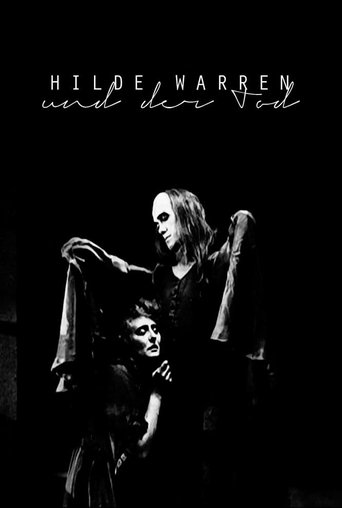
- Portrayed Intendant Hans von Wengraf in the Fritz Lang-scripted 'Hilde Warren und der Tod' (1917)
- Achieved major popularity as the detective 'Harry Higgs' in a long-running film series
- Founded Lucifer-Film Co. M.b.H. In 1919 with Albert Dameke
- Played a key role in the epic eight-part series 'Die Herrin der Welt' (1919-1920)
- Included in the 'Gottbegnadeten-Liste' (God-gifted list) of essential artists in 1944
Best Known For
Iconic Roles
Must-See Films
Accolades
Special Recognition
- Named to the Gottbegnadeten-Liste (1944) as a representative of German cultural heritage
Working Relationships
Worked Often With
Studios
Why They Matter
Impact on Culture
Central figure in the 'Detective Film' craze that swept German cinema in the 1910s, helping to establish the genre's popularity through his portrayal of Harry Higgs. His involvement in high-profile productions like 'Die Herrin der Welt' helped elevate the scale and ambition of German silent cinema to an international level. As a producer, he contributed to the industrial growth of the German film industry during the Weimar Republic, bridging the gap between artistic performance and commercial film production.
Lasting Legacy
Though his name is less frequently cited today than contemporaries like Emil Jannings or Conrad Veidt, Mierendorff remains a vital figure for historians of early German cinema. He represents the transition from the theatrical traditions of the 19th century to the modern, stylized acting required by the camera. His work in the early scripts of Fritz Lang provides a crucial link to the development of German Expressionism and the 'Schicksalsfilm' (film of fate) genre.
Who They Inspired
His 'gentleman detective' archetype influenced the portrayal of investigative heroes in European cinema for decades. His ability to maintain a prolific career across the divide of silent and sound film served as a model for professional longevity in a rapidly evolving industry.
Off Screen
Mierendorff was the son of a merchant, Carl Mierendorff, and a painter, Johanna Reinke. He was married three times: first to animal painter Gertrud Schmidt (1903), then to singer/actress Auguste Herta Katsch (1923), and finally to her sister, Antonie Katsch (1940).
Education
Attended Oberschule in Rostock and the Friderico-Francisceum Gymnasium in Doberan; completed a bookseller apprenticeship in Schwerin before receiving formal acting training.
Family
- Gertrud Schmidt (1903-?)
- Auguste Herta Katsch (1923-?)
- Antonie Katsch (1940-1955)
Did You Know?
- He played a double role in the 1921 film 'Ich bin Du' (I Am You).
- Before becoming an actor, he was a trained bookseller.
- He appeared in over 150 films throughout his career.
- After retiring from acting in 1945, he lived a quiet life running a pension (boarding house) on the Baltic Sea.
- He was one of the first actors to work from a screenplay written by the legendary Fritz Lang.
- His first film role was in a short film starring the 'first lady of German film,' Henny Porten.
Frequently Asked Questions
Who was Hans Mierendorff?
Highly successful German with credits in this catalog. He was best known for playing sophisticated, aristocratic characters and for his starring role as detective Harry Higgs.
What films is Hans Mierendorff best known for?
Titles linked here include Hilde Warren und der Tod (1917), Die Herrin der Welt (1919).
When was Hans Mierendorff born and when did he die?
Born June 30, 1882; died December 26, 1955.
Did Hans Mierendorff work with Fritz Lang?
Yes, Mierendorff starred in 'Hilde Warren und der Tod' (1917), which featured one of the earliest screenplays written by Fritz Lang before he became a world-famous director.
What was Hans Mierendorff's acting style?
He was known for a '' style, specializing in elegant gentlemen, officers, and noblemen. He brought a sense of gravity and refinement to both dramatic and adventure roles.
What did Hans Mierendorff do after his acting career?
After retiring from the film industry in 1945, he moved to the Baltic coast where he operated a private boarding house until his death in 1955.