
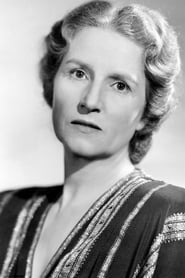
Olive Blakeney
Actor
Born: March 12, 1887 in St. Louis, Missouri, USA Died: October 21, 1959 Active: 1934-1958 Birth Name: Olive Mary Blakeney
Films
1 film
About Olive Blakeney
Olive Mary Blakeney — prolific American character actress whose over two decades of Hollywood's Golden Age. Born in St. Louis, Missouri, she began her film career in the mid-1930s and quickly established herself as a reliable supporting player in both comedies and dramas. Blakeney appeared in more than 100 films, often portraying society matrons, aunts, housekeepers, and other memorable character roles that added depth and authenticity to productions. She worked with many of Hollywood's top directors and stars, bringing her distinctive presence to films ranging from screwball comedies to serious dramas. Her most productive period was the 1940s, when she appeared in numerous prestigious productions, often uncredited but always delivering memorable performances. Blakeney continued working through the 1950s, adapting to the changing landscape of Hollywood while maintaining her status as a respected character actress. Her final film appearance was in 1958, marking the end of a career that contributed significantly to the fabric of classic American cinema.
The Craft
On Screen
Blakeney specialized in portraying upper-class society women, stern matrons, and authority figures with a naturalistic approach that balanced warmth with proper reserve. Her acting style was characterized by precise diction, impeccable posture, and the ability to convey complex emotions through subtle facial expressions and gestures. She excelled at delivering witty dialogue with perfect timing, making her particularly effective in comedies, while also bringing gravitas to dramatic roles.
Milestones
- Film debut in 'The Girl from Missouri' (1934)
- Appeared in 'The Women' (1939)
- Featured in 'That Uncertain Feeling' (1941)
- Memorable role in 'The Man Who Came to Dinner' (1942)
- Appeared in 'The Best Years of Our Lives' (1946)
- Final film appearance in 'The Lady Takes a Flyer' (1958)
Best Known For
Iconic Roles
Must-See Films
Working Relationships
Worked Often With
Studios
Why They Matter
Impact on Culture
Olive Blakeney contributed to the richness of Hollywood's Golden Age by providing essential character performances that anchored countless films and supported major stars. Her portrayals of society women and matrons helped establish the visual and behavioral codes of upper-class American life on screen, influencing how audiences understood social hierarchies and relationships. Through her work in ensemble pieces like 'The Women' and prestige productions like 'The Best Years of Our Lives,' Blakeney participated in creating some of the most culturally significant films of her era, helping to document and shape American values and social norms during the mid-20th century.
Lasting Legacy
Olive Blakeney's legacy lies in her substantial body of work that exemplifies the importance of character actors in creating believable film worlds. While never a star, her consistent presence in over 100 films demonstrates the crucial role that supporting players played in Hollywood's studio system. Her performances continue to be appreciated by film scholars and classic cinema enthusiasts who recognize how actors like Blakeney provided the texture and authenticity that made Golden Age films so enduring. Her work represents the dedication and craft of the countless unsung performers who formed the backbone of American cinema.
Who They Inspired
As a character actress, Blakeney influenced subsequent generations of supporting players by demonstrating how to create memorable, fully-realized characters even with limited screen time. Her ability to establish a character quickly and effectively served as a model for character actors who followed. Her professional approach and versatility across genres showed how supporting actors could maintain steady careers while contributing significantly to the artistic success of films, inspiring future performers to embrace character roles rather than seeing them as stepping stones to stardom.
Off Screen
Olive Blakeney was married to fellow character actor Arthur Hoyt, and the couple frequently appeared together in films, creating one of Hollywood's most recognizable character actor partnerships. Their marriage lasted until Hoyt's death in 1953, just six years before her own passing. The couple had no children, but their professional collaboration and personal relationship were well-regarded in Hollywood circles. Blakeney was known for her professionalism and dedication to her craft, often taking on multiple roles in a single year to maintain her steady employment in the competitive Hollywood studio system.
Education
Limited information available, but she likely received formal training in theater or dramatic arts prior to entering films
Family
- Arthur Hoyt (1931-1953)
Did You Know?
- Appeared in over 100 films during her 24-year career
- Often worked uncredited despite having significant roles
- Was married to fellow character actor Arthur Hoyt
- The couple appeared together in at least 15 films
- Specialized in portraying upper-class society women
- Worked with virtually every major Hollywood studio
- Her final film appearance was in 1958 at age 71
- Died just six years after her husband Arthur Hoyt
- Was a reliable presence in both comedies and dramas
- Often played aunts, matrons, and society figures
In Their Own Words
While specific quotes are not well-documented, she was known for her professional attitude and once remarked about character acting: 'The secret is making every moment count, even if you only have two lines.'
Regarding her frequent uncredited roles: 'The audience remembers the character, not always the name in the credits. That's what matters.'
Frequently Asked Questions
Who was Olive Blakeney?
Screen credits include over 100 films during Hollywood's Golden Age, specializing in portraying society matrons, aunts, and upper-class women in both comedies and dramas from 1934 to 1958.
What films is Olive Blakeney best known for?
Titles linked here include The Women (1939), That Uncertain Feeling (1941).
When was Olive Blakeney born and when did she die?
Born March 12, 1887; died October 21, 1959.
What awards did Olive Blakeney win?
Despite her prolific career, Olive Blakeney did not receive major industry awards or nominations, which was common for character actors of her era, though her contributions to classic cinema are recognized by film historians and enthusiasts.
What was Olive Blakeney's acting style?
Blakeney specialized in naturalistic portrayals of society women and matrons, characterized by precise diction, impeccable posture, and subtle emotional expression. She excelled at both comic timing and dramatic gravitas, making her a versatile supporting player.
Was Olive Blakeney married?
Yes, she was married to fellow character actor Arthur Hoyt from 1931 until his death in 1953. The couple frequently appeared together in films and were regarded as one of Hollywood's notable character actor partnerships.