Betty Jardine
Actor
Born: May 21, 1908 in England, United Kingdom Died: October 28, 1949 Active: 1934-1949
Films
1 film
About Betty Jardine
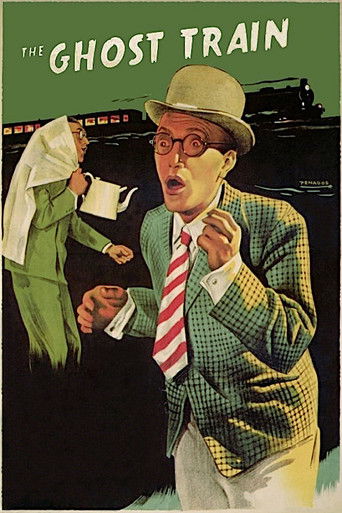
British character actress who found success in British cinema during the 1930s and 1940s, specializing in comic roles that showcased her distinctive personality and timing. Born in 1908 in England, she began her film career in the mid-1930s and quickly established herself as a reliable supporting actress in British productions. Her performance in The Ghost Train (1941) as Edna, the scatterbrained maid, became one of her most memorable roles, displaying her talent for physical comedy and witty dialogue delivery. Throughout her career, Jardine worked with some of Britain's most respected directors and appeared alongside notable actors of the era, though she never achieved leading lady status. She continued working steadily through the war years, contributing to several significant British films including Millions Like Us (1943) and Waterloo Road (1945). Tragically, her promising career was cut short when she died unexpectedly in 1949 at the age of 41, leaving behind a legacy of memorable comic performances that continue to be appreciated by classic film enthusiasts.
The Craft
On Screen
Betty Jardine was known for her distinctive comedic timing and ability to portray eccentric characters with warmth and authenticity. Her acting style incorporated elements of physical comedy, facial expressions, and a natural delivery of witty dialogue that made her characters memorable despite often limited screen time. She excelled at playing scatterbrained but endearing characters, bringing a unique energy to her roles that resonated with British audiences during the war years and beyond.
Milestones
- Breakthrough role in The Ghost Train (1941)
- Supporting role in Millions Like Us (1943)
- Performance in Waterloo Road (1945)
- Appearance in The Young Mr. Pitt (1942)
- Role in The Man Who Could Work Miracles (1936)
Best Known For
Iconic Roles
Must-See Films
Working Relationships
Worked Often With
Studios
Why They Matter
Impact on Culture
Betty Jardine contributed to the golden age of British cinema during a critical period in the nation's history. Her performances in wartime films like Millions Like Us helped boost morale and provided comic relief during difficult times. As a character actress specializing in comedy, she represented the everyday British woman with humor and authenticity, making her relatable to contemporary audiences. Her work in The Ghost Train helped establish the film as a classic British comedy that continues to be enjoyed by generations of film enthusiasts.
Lasting Legacy
Betty Jardine's legacy lies in her memorable comic performances that exemplify the British character acting tradition of the 1930s and 1940s. Though her career was cut short by her early death, her performances continue to be appreciated by classic film enthusiasts and historians of British cinema. Her role in The Ghost Train remains particularly significant as it represents one of the finest examples of British comedy cinema from the wartime era. She is remembered as part of the generation of actors who helped define British national identity through film during a pivotal period in history.
Who They Inspired
While not widely documented as having directly influenced subsequent generations of actors, Betty Jardine's approach to character comedy contributed to the tradition of British comic acting that would later influence performers like Joyce Grenfell and Irene Handl. Her naturalistic style and ability to create memorable characters with limited screen time demonstrated the importance of supporting actors in creating successful ensemble films.
Off Screen
Betty Jardine was married to fellow actor Edward Rigby, with whom she shared both personal and professional life. Their marriage united two respected character actors of the British film industry. Details about her personal life beyond her marriage remain relatively private, as was common for actors of her era who maintained a distinction between their public persona and private life.
Education
Information about her formal education is not well documented in historical records.
Family
- Edward Rigby (actor)
Did You Know?
- She died unexpectedly at the young age of 41, cutting short a promising career
- She was married to fellow actor Edward Rigby, creating a theatrical partnership
- The Ghost Train (1941) remains her most famous and accessible film performance
- She specialized in playing scatterbrained but lovable characters
- Her active years covered the crucial wartime period of British cinema
- She worked with some of Britain's most respected comedy actors of the era
- Despite never achieving leading lady status, she became a familiar face to British cinema audiences
- Her performances often provided comic relief in otherwise serious wartime films
- She contributed to the Ealing Studios tradition of ensemble comedy
- Her natural acting style contrasted with the more theatrical approach common in earlier British cinema
In Their Own Words
Information about specific famous quotes attributed to Betty Jardine is not well documented in historical records
Frequently Asked Questions
Who was Betty Jardine?
British character actress active in the 1930s and 1940s, known for her comic roles in British cinema, particularly her memorable performance as Edna in The Ghost Train (1941). She specialized in playing eccentric, scatterbrained characters with warmth and humor.
What films is Betty Jardine best known for?
Titles linked here include The Ghost Train (1941), Millions Like Us (1943).
When was Betty Jardine born and when did she die?
Born May 21, 1908; died October 28, 1949.
What awards did Betty Jardine win?
There are no documented awards or nominations for Betty Jardine, which was common for character actors of her era who often worked without formal recognition despite their significant contributions to films.
What was Betty Jardine's acting style?
Betty Jardine was known for her distinctive comedic timing, natural delivery, and ability to portray eccentric characters with authenticity. Her style incorporated physical comedy and facial expressions that made her supporting roles memorable and endearing to audiences.