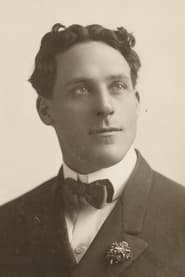
Charles R. Bowers
Actor & Director
Born: 1889 in Cresco, Iowa, United States Died: November 26, 1946 Active: 1922-1937 Birth Name: Charles Raymond Bowers
Films
1 film
About Charles R. Bowers
American cartoonist, animator, and filmmaker who created some of the most innovative and surreal animated shorts of the silent era. Born in 1889, Bowers began his career as a newspaper cartoonist before transitioning to film in the 1920s. He developed a unique style that blended live-action with stop-motion animation, creating bizarre and dreamlike sequences that were decades ahead of their time. His series of 'Bowers Comedies' for Educational Pictures and later Van Beuren Studios showcased his technical innovation and surreal visual humor. Despite his creativity, Bowers struggled with commercial success and his films were largely forgotten until their rediscovery by film historians in the late 20th century. Today, he is recognized as a visionary animator whose work influenced later generations of experimental filmmakers. His the transition from silent films to early talkies, though he never achieved the mainstream recognition of contemporaries like Walt Disney or Max Fleischer.
The Craft
On Screen
Bowers developed a distinctive physical comedy style that complemented his surreal animated sequences. His acting was characterized by exaggerated gestures and deadpan expressions that enhanced the bizarre visual humor of his films. He often played a bewildered protagonist navigating impossible animated worlds, using Chaplinesque physical comedy blended with his own unique timing and facial expressions.
Behind the Camera
Bowers' directing style was revolutionary for its time, combining live-action photography with stop-motion animation and practical effects in ways that defied contemporary conventions. He created dreamlike narratives where everyday objects would come to life and transform in surreal ways. His technical innovations included multiple exposure techniques and seamless integration of animated elements into live-action settings, creating a visual language that would influence experimental filmmakers decades later.
Milestones
- Created the surreal 'Bowers Comedies' series (1926-1929)
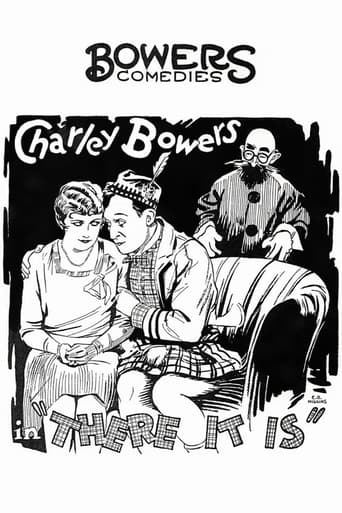
- Directed and acted in 'There It Is' (1928)
- Pioneered combination of live-action and animation techniques
- Created 'Egged On' (1926) and 'Now You Tell One' (1926)
- Worked with Van Beuren Studios in the early 1930s
- Rediscovered as animation pioneer in the 1970s-1980s
Best Known For
Iconic Roles
Must-See Films
Accolades
Special Recognition
- Rediscovered and celebrated by animation historians in the 1970s
- Films preserved by the Library of Congress
- Featured in Museum of Modern Art animation retrospectives
Working Relationships
Worked Often With
Studios
Why They Matter
Impact on Culture
Charles R. Bowers had a profound but delayed impact on animation history. His surreal combination of live-action and animation techniques were decades ahead of their time, prefiguring the work of later experimental filmmakers. His films, once thought lost, were rediscovered in the 1970s and revealed to animation historians an artist whose visual imagination rivaled that of more famous contemporaries. Bowers' work demonstrated the artistic possibilities of animation beyond simple entertainment, exploring surrealism and visual metaphor in ways that wouldn't become mainstream until decades later.
Lasting Legacy
Bowers' legacy is that of an overlooked genius whose innovations were too advanced for his time. His surviving films are now considered masterpieces of early surreal cinema, studied by film scholars and animation historians. The rediscovery of his work in the late 20th century led to a reevaluation of animation history, positioning Bowers as a crucial figure in the development of experimental animation. His techniques for combining live-action and animation influenced everything from Terry Gilliam's Monty Python animations to modern special effects cinema.
Who They Inspired
Bowers influenced generations of experimental animators and surrealist filmmakers who discovered his work decades after his death. His seamless integration of animation into live-action settings prefigured techniques used in everything from Who Framed Roger Rabbit to modern CGI blockbusters. Artists like Terry Gilliam, Jan Švankmajer, and the Brothers Quay have acknowledged Bowers as a influence on their surreal visual styles. His approach to animation as a medium for artistic expression rather than just entertainment helped pave the way for animation to be recognized as a serious art form.
Off Screen
Charles R. Bowers married twice during his lifetime. His first marriage was to Margaret, which ended in divorce. He later married Mary, with whom he remained until his death. Bowers struggled financially throughout his career, particularly during the Great Depression, which contributed to his relative obscurity in later years. Despite his artistic innovations, he died in relative poverty in 1946, with much of his work lost or forgotten until decades later.
Education
Limited formal education, primarily self-taught as cartoonist and animator
Family
- Margaret (divorced)
- Mary (until his death in 1946)
Did You Know?
- Only about 20 of Bowers' estimated 250+ films survive today
- His films were considered too bizarre for mainstream audiences in the 1920s
- Bowers created his own animation equipment and developed innovative techniques
- His work was rediscovered in film archives in the 1970s
- Many of his films feature themes of dreams and surreal transformations
- Bowers was nearly forgotten until animation historian Raymond Rohauer championed his work
- His film 'Now You Tell One' features one of the earliest examples of claymation
- Bowers' detective character in 'There It Is' was inspired by Sherlock Holmes but with surreal twists
- He continued making films into the early sound era but with diminishing success
- His influence can be seen in the work of modern animators like Tim Burton and Terry Gilliam
In Their Own Words
Animation is not just for children's entertainment; it's a medium for visual poetry and dreams
Why show reality when you can create something more interesting?
The camera can lie, but animation can tell the truth in ways reality cannot
Frequently Asked Questions
Who was Charles R. Bowers?
American cartoonist, animator, and filmmaker who created innovative surreal animated shorts in the 1920s and 1930s. He was known for combining live-action with animation in ways that were decades ahead of his time, creating dreamlike and bizarre visual narratives that influenced later generations of experimental filmmakers.
What films is Charles R. Bowers best known for?
Titles linked here include There It Is (1928), Now You Tell One (1926).
When was Charles R. Bowers born and when did he die?
Born 1889; died November 26, 1946.
What awards did Charles R. Bowers win?
During his lifetime, Charles R. Bowers received little formal recognition and no major awards. However, his work has been posthumously honored through preservation by the Library of Congress, inclusion in Museum of Modern Art retrospectives, and recognition by animation historians who rediscovered his contributions to the art form.
What was Charles R. Bowers' directing style?
Bowers' directing style was characterized by surreal visual humor and innovative technical approaches. He seamlessly blended live-action with stop-motion animation, creating impossible scenarios where everyday objects would transform and come to life. His films featured dreamlike narratives and visual metaphors that were unlike anything else being produced in the 1920s, demonstrating an artistic vision that was decades ahead of its time.