Films
2 films
About Ragnar Widestedt
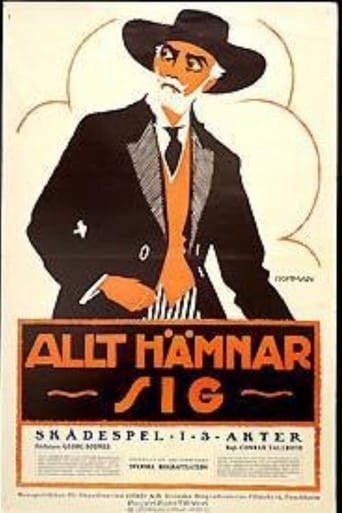
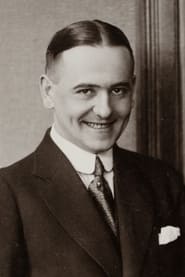
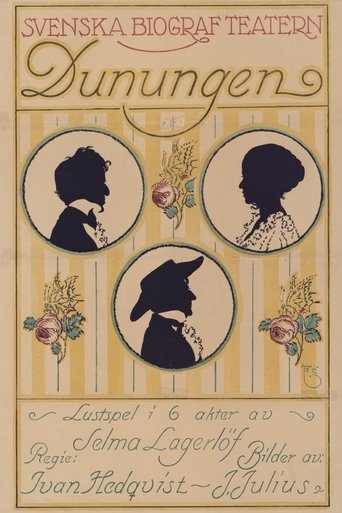
Ragnar Widestedt appears in Allt hämnar sig (1917), The Downy Girl (1919) in this catalog. His brief but notable film from 1917 to 1919, during which he worked in Sweden's burgeoning film industry that was gaining international recognition. Ragnar appears in 'Allt hämnar sig' (Everything Avenges Itself) in 1917, which was part of Sweden's sophisticated silent film output known for its artistic merit and psychological depth. In 1919, he appeared in 'The Downy Girl' (Den dunflicka), another Swedish production that showcased the country's cinematic excellence during this period. Widestedt was part of a generation of Swedish actors who helped establish the foundation of Swedish cinema before the international migration of talent to Hollywood. His career, while short-lived, coincided with what many consider the peak of Swedish silent film artistry, when directors like Victor Sjöström and Mauritz Stiller were creating internationally acclaimed works. Unfortunately, like many actors from this era, much of his personal history and later life remains undocumented in accessible film archives.
The Craft
Milestones
- Appeared in 'Allt hämnar sig' (1917)
- Starred in 'The Downy Girl' (1919)
- Active during Sweden's silent film golden age
Best Known For
Must-See Films
Why They Matter
Impact on Culture
Ragnar Widestedt represents the many actors who contributed to Sweden's remarkable silent film era but whose names have largely faded from historical records. His participation in films during 1917-1919 places him at the height of Swedish cinema's international influence, when Swedish films were renowned for their artistic sophistication and psychological depth. While his individual impact may have been modest, he was part of the foundation that established Sweden as a major force in early cinema, contributing to an era that would later influence filmmakers worldwide and help launch the international careers of directors like Victor Sjöström and Mauritz Stiller.
Lasting Legacy
Ragnar Widestedt's legacy is primarily that of a representative figure from Sweden's golden age of silent cinema. Though his filmography is limited to two known works, his career coincides with. His work serves as a reminder of the many supporting actors and character performers who were essential to creating the rich cinematic tapestry of the era, even if their names were not preserved in film history with the same prominence as leading stars and directors.
Who They Inspired
As a supporting actor from the early Swedish silent era, Widestedt's direct influence on subsequent generations of performers is difficult to trace, which is typical for many actors of his era who worked primarily in character or supporting roles. However, his participation in Sweden's sophisticated film productions of the late 1910s contributed to the overall artistic quality that would later influence international cinema, particularly in the realm of psychological drama and naturalistic performance styles that Swedish filmmakers pioneered during this period.
Off Screen
Very little documented information exists about Ragnar Widestedt's personal life, which is common for actors from the early Swedish silent era. His brief film active years covered only two known films during 1917-1919, and like many supporting actors of this period, he may have returned to other theatrical pursuits or left the entertainment industry entirely after his short film stint.
Did You Know?
- His entire known film career spans only two years (1917-1919)
- Both of his known films were Swedish productions
- He was active during what many consider the peak of Swedish silent film artistry
- His career coincided with the international recognition of Swedish cinema
- Like many actors from this era, much of his biographical information has been lost to history
- The films he appeared in were part of Sweden's sophisticated output known for psychological depth
- He represents the many supporting actors essential to early cinema but rarely remembered by name
Frequently Asked Questions
Who was Ragnar Widestedt?
Screen credits include silent films during the late 1910s, specifically active from 1917 to 1919. He appeared in two known Swedish films, 'Allt hämnar sig' (1917) and 'The Downy Girl' (1919), during what many consider the golden age of Swedish silent cinema.
What films is Ragnar Widestedt best known for?
Titles linked here include Allt hämnar sig (1917), The Downy Girl (1919).
When was Ragnar Widestedt born and when did he die?
Unfortunately, specific birth and death dates for Ragnar Widestedt are not available in accessible film archives, which is common for many supporting actors from the early silent era. We only know he was active as an actor between 1917 and 1919.
What awards did Ragnar Widestedt win?
There are no documented awards or nominations for Ragnar Widestedt, which was typical for many character actors during the early silent film era when formal award systems were not yet established in the film industry.
What was Ragnar Widestedt's acting style?
Specific details about Ragnar Widestedt's acting style are not documented in available sources. However, as a Swedish actor during the late 1910s, he likely worked within the naturalistic and psychologically sophisticated performance style that characterized Swedish cinema of this period.