Pare Lorentz
Director
Born: December 11, 1905 in Clarksburg, West Virginia, USA Died: March 4, 1992 Active: 1936-1940 (major documentary period), 1925-1940 (overall film career) Birth Name: Leonard MacTaggart Lorentz
Films
1 film
About Pare Lorentz
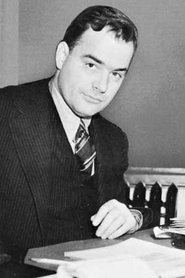
American documentary filmmaker who revolutionized the genre during the Great Depression era. Beginning his career as a film critic for publications like Vanity Fair and The New York Times, he transitioned to filmmaking when appointed by the Roosevelt administration to create documentaries promoting New Deal programs. His films 'The Plow That Broke the Plains' (1936) and 'The River' (1938) established many conventions of documentary filmmaking, combining poetic imagery, classical music scores, and powerful narration to address environmental and social issues. Lorentz's work was among the first government-sponsored documentaries in American cinema, demonstrating how film could serve both artistic and educational purposes. During World War II, he continued creating socially conscious films including 'The Fight for Life' (1940), which documented the struggle for better healthcare in Chicago. After the war, Lorentz faced challenges securing funding for his projects but remained influential through his writing and advocacy for documentary cinema. His innovative approach to nonfiction storytelling helped establish documentary as a legitimate artistic form and influenced generations of filmmakers who followed.
The Craft
Behind the Camera
Pare Lorentz's directing style was characterized by poetic visual storytelling, combining sweeping landscape cinematography with carefully composed shots that emphasized the relationship between humans and their environment. He pioneered the use of classical music scores synchronized with visual rhythms, creating emotional narratives through the marriage of image and sound. His approach was highly artistic yet socially conscious, using documentary techniques not just to record reality but to shape public opinion and awareness. Lorentz employed innovative editing techniques that created visual metaphors and symbolic connections between seemingly unrelated scenes. His narration was deliberately poetic and literary, elevating documentary beyond mere reportage into a form of cinematic poetry that could move audiences emotionally while educating them about social and environmental issues.
Milestones
- Directed 'The Plow That Broke the Plains' (1936), first government-sponsored documentary
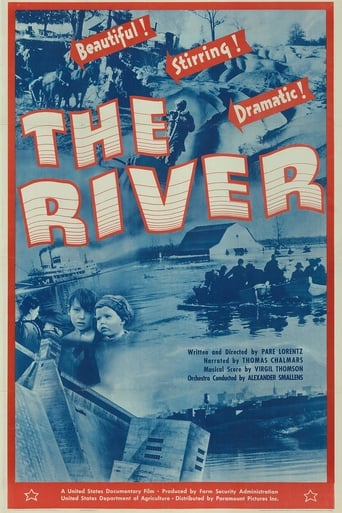
- Created 'The River' (1938), nominated for Academy Award for Best Documentary
- Appointed Film Director for U.S. Resettlement Administration
- Published 'The Film: A Montage of Theories' (1933), influential film theory book
- Directed 'The Fight for Life' (1940), groundbreaking medical documentary
- Established U.S. Film Service as first director
Best Known For
Must-See Films
Accolades
Won
Nominated
- Academy Award nomination for Best Documentary (The River, 1938)
- Venice Film Festival nomination (The Plow That Broke the Plains, 1936)
Special Recognition
- International Documentary Association Pioneer Award (posthumous)
- Named to Documentary Hall of Fame
- West Virginia Cultural Heritage Award
- National Film Preservation Board recognition
Working Relationships
Worked Often With
Studios
Why They Matter
Impact on Culture
Pare Lorentz fundamentally transformed documentary filmmaking by elevating it from mere documentation to a powerful art form capable of social commentary and emotional resonance. His government-sponsored films during the New Deal era demonstrated how cinema could be used to educate and mobilize public opinion on critical environmental and social issues, establishing a model for socially engaged documentary filmmaking. Lorentz's innovative use of music, poetic narration, and visual metaphor influenced countless documentary filmmakers and helped establish documentary as a legitimate cinematic genre. His work during the 1930s and 1940s coincided with and helped shape American consciousness about environmental conservation, poverty, and social reform, making him a key cultural figure during a transformative period in American history. The techniques he pioneered in blending artistic expression with social advocacy became standard practices in documentary filmmaking and continue to influence filmmakers today.
Lasting Legacy
Pare Lorentz's legacy endures through his contributions to documentary cinema and his role in establishing film as a medium for social change. His films remain classics of the documentary genre, regularly screened in film schools and museums as examples of artistic and socially conscious filmmaking. Lorentz's innovative techniques in combining music, narration, and visual storytelling influenced generations of documentary filmmakers, from the Direct Cinema movement of the 1960s to contemporary documentary directors. His work helped establish the precedent for government support of documentary filmmaking and demonstrated how art could serve public interests without sacrificing aesthetic quality. The inclusion of his films in the National Film Registry recognizes their enduring cultural and historical significance. Lorentz's writings on film theory continue to be studied, and his name is synonymous with the golden age of American documentary filmmaking.
Who They Inspired
Pare Lorentz influenced documentary filmmaking through his innovative approach to visual storytelling and his belief in cinema's power to effect social change. His poetic style and use of music as a narrative element inspired filmmakers like Robert Flaherty, Leni Riefenstahl, and later documentary makers such as Werner Herzog and Errol Morris. Lorentz demonstrated that documentaries could be both artistically beautiful and socially relevant, a philosophy that influenced the development of documentary theory and practice throughout the 20th century. His work with government funding established models for public support of documentary filmmaking that would be replicated in various forms by subsequent generations. The techniques he developed in editing, sound design, and visual composition became standard practices in documentary production, and his emphasis on environmental themes anticipated the ecological documentary movement of later decades.
Off Screen
Pare Lorentz maintained a relatively private personal life while being deeply committed to his artistic and social causes. He married Sally Dixon in 1935, with whom he had two children, and later married Elizabeth Meyer. Lorentz was known for his intellectual pursuits and dedication to using film as a tool for social change, often prioritizing his work over personal financial gain. He was a passionate advocate for documentary filmmaking and environmental causes throughout his life, maintaining these interests even when his filmmaking career slowed after World War II. Lorentz spent his later years writing and teaching, sharing his knowledge of film theory and documentary techniques with new generations of filmmakers.
Education
West Virginia University (attended), Columbia University (studied journalism and film theory)
Family
- Sally Dixon (1935-1950)
- Elizabeth Meyer (1952-1992)
Did You Know?
- The nickname 'Pare' came from his childhood, derived from 'parakeet' due to his small stature and talkative nature
- His film 'The River' cost approximately $50,000 to make but was seen by an estimated 30 million people
- Lorentz was the first filmmaker to have two films selected for the National Film Registry
- He turned down lucrative Hollywood offers to continue making government-sponsored documentaries
- His films were initially controversial, with some critics accusing them of being propaganda
- Lorentz — self-taught filmmaker who never attended film school
- His book 'The Film: A Montage of Theories' was one of the first serious works of film theory published in America
- He was friends with and influenced by famous photographers like Paul Strand and Walker Evans
- During WWII, he made training films for the U.S. Army Air Corps
- His films were among the first to use original orchestral scores specifically composed for documentaries
In Their Own Words
The documentary film is the most powerful of all weapons in the fight for the minds and hearts of men.
A documentary must have a point of view, a thesis, a reason for being. Otherwise it is just a collection of images.
The camera is a tool of discovery. The filmmaker is a poet who discovers truth in the world around him.
We must make films that not only record reality but help shape a better reality.
The greatest documentaries are those that find poetry in the ordinary and meaning in the mundane.
Frequently Asked Questions
Who was Pare Lorentz?
American documentary filmmaker best known for his New Deal-era films 'The Plow That Broke the Plains' (1936) and 'The River' (1938). He was instrumental in establishing documentary filmmaking as both an art form and a tool for social change during the Great Depression era.
What films is Pare Lorentz best known for?
Titles linked here include The River (1938), The Plow That Broke the Plains (1936).
When was Pare Lorentz born and when did he die?
Born December 11, 1905; died March 4, 1992.
What awards did Pare Lorentz win?
What was Pare Lorentz's directing style?
Lorentz's directing style combined poetic visual storytelling with classical music scores and literary narration to create emotionally powerful documentaries. He pioneered techniques in editing and sound design that elevated documentary beyond mere documentation into a form of cinematic art.
How did Pare Lorentz influence documentary filmmaking?
Lorentz revolutionized documentary filmmaking by establishing it as a legitimate artistic genre capable of both aesthetic beauty and social commentary. His techniques in combining music, narration, and visual metaphor became standard practices and influenced generations of documentary filmmakers.
What was Pare Lorentz's connection to the U.S. Government?
Lorentz was appointed by the Roosevelt administration as Film Director for the Resettlement Administration, making him one of the first filmmakers to create government-sponsored documentaries. His films were created to promote New Deal programs and raise awareness about environmental and social issues.