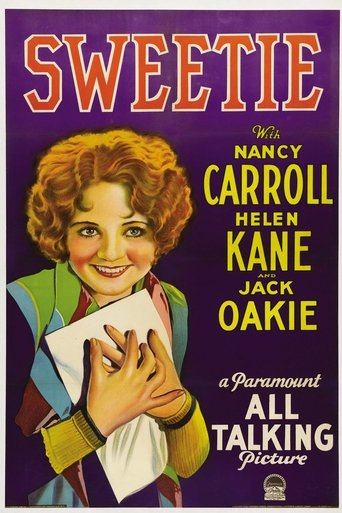

Helen Kane
Actor
Born: August 4, 1904 in The Bronx, New York, USA Died: September 26, 1966 Active: 1928-1966 Birth Name: Helen Clare Schroeder
Films
1 film
About Helen Kane
American singer and actress who rose to fame in the late 1920s with her distinctive high-pitched, baby-like singing style and signature catchphrase 'boop-boop-a-doop.' Born Helen Schroeder in the Bronx, New York, she began her career performing in vaudeville and nightclubs before being discovered by orchestra leader Paul Whiteman. Her breakthrough came in 1928 when she recorded 'I Wanna Be Loved by You,' which became her signature song and launched her to stardom. Kane appeared in several films including 'Sweetie' (1929), 'Dangerous Nan McGrew' (1930), and 'A Lesson in Love' (1931), often playing characters that showcased her unique vocal style and bubbly personality. She became popular entertainers of the early sound era, though her popularity waned by the mid-1930s. Kane famously sued Max Fleischer in 1934, claiming the cartoon character Betty Boop was based on her, but lost the case. She continued performing in nightclubs and made occasional television appearances in the 1950s and 1960s, cementing her legacy as a figure in early sound entertainment.
The Craft
On Screen
Helen Kane's acting style was characterized by her playful, bubbly personality and distinctive baby-like voice. She specialized in portraying flapper-type characters with an innocent yet coquettish demeanor, often breaking into her signature 'boop-boop-a-doop' scat singing. Her performances were energetic and charismatic, relying heavily on her unique vocal talents rather than dramatic depth, making her perfectly suited for the musical comedies and light entertainment of the early talkie era.
Milestones
- Discovered by Paul Whiteman in 1928
- Recorded hit song 'I Wanna Be Loved by You' (1928)
- Starred in 'Sweetie' (1929)
- Appeared in Broadway show 'Good Boy' (1928)
- Filed lawsuit against Max Fleischer over Betty Boop (1934)
- Made comeback in nightclubs during WWII
- Appeared on 'The Ed Sullivan Show' (1965)
Best Known For
Iconic Roles
Must-See Films
Accolades
Special Recognition
- Inspiration for Betty Boop character
- Inducted into the Big Band and Jazz Hall of Fame
Working Relationships
Worked Often With
Studios
Why They Matter
Impact on Culture
Helen Kane's impact on popular culture was significant and enduring, particularly through her influence on the Betty Boop character. Her 'boop-boop-a-doop' style became a cultural phenomenon during the Jazz Age, representing the carefree, rebellious spirit of the flapper era. Kane's distinctive vocal technique and persona helped define the sound and style of early female pop singers, paving the way for future performers who used similar cute, high-pitched vocal stylings. Her music and image embodied the transition from the Roaring Twenties to the more conservative 1930s, making her a transitional figure in American entertainment history.
Lasting Legacy
Helen Kane's legacy lives on primarily through Betty Boop,. Her recordings, particularly 'I Wanna Be Loved by You,' remain classics of the jazz age and continue to be featured in films, commercials, and television shows. Kane represents the era of vaudeville-to-Hollywood transitions and exemplifies the type of entertainer who could adapt from silent pictures to talkies. Despite her relatively short period of stardom, her influence on animation, popular music, and female performance styles has persisted for decades, making her an important figure in the history of American entertainment.
Who They Inspired
Helen Kane directly influenced the creation of Betty Boop by Max Fleischer, though she lost her lawsuit claiming copyright infringement. Her singing style influenced numerous later performers, including Marilyn Monroe, who famously covered 'I Wanna Be Loved by You' in 'Some Like It Hot.' Kane's persona influenced the development of the 'baby doll' archetype in entertainment, affecting how young women performers were presented in media. Her success demonstrated the commercial viability of novelty singing styles in early sound cinema, encouraging studios to feature similar performers in their musical productions.
Off Screen
Helen Kane married twice during her lifetime. Her first marriage was to Joseph Kane, a film executive, from 1931 to 1932. She later married Dan Healy, an actor and theater owner, in 1933, with whom she had two daughters. Despite her early fame, Kane faced financial difficulties later in life and struggled with health issues. She spent her final years in Queens, New York, where she died from cancer at the age of 62.
Education
Attended public schools in the Bronx, left school early to help support her family by working in offices and as a model
Family
- Joseph Kane (1931-1932)
- Dan Healy (1933-1966, until his death)
Did You Know?
- She was nicknamed 'The Boop-Boop-a-Doop Girl' due to her signature scat singing
- Her real name was Helen Schroeder, but she changed it for show business
- She started her career working as a model and office worker at age 15
- Her hit song 'I Wanna Be Loved by You' was later famously covered by Marilyn Monroe
- She appeared on the first television broadcast in 1939 at the New York World's Fair
- Her lawsuit against Max Fleischer over Betty Boop lasted two years (1932-1934)
- She earned $2,500 per week at the height of her fame (equivalent to over $40,000 today)
- She was one of the first performers to successfully transition from vaudeville to sound films
- Her distinctive singing style was actually inspired by African American scat singers she heard in Harlem
- She made her final television appearance on 'The Ed Sullivan Show' just one year before her death
In Their Own Words
I'm the Boop-Boop-a-Doop Girl, and that's what I am!
I wanna be loved by you, just you and nobody else but you
Boop-boop-a-doop! That's my little trick, you see
I never learned to sing properly, I just sang the way I felt
They say I sound like a baby, but babies get all the attention, don't they?
Frequently Asked Questions
Who was Helen Kane?
American singer and actress from the late 1920s and early 1930s, famous for her distinctive baby-like singing style and signature catchphrase 'boop-boop-a-doop.' She was a major star of early sound films and the inspiration for the Betty Boop cartoon character.
What films is Helen Kane best known for?
Titles linked here include Sweetie (1929), Dangerous Nan McGrew (1930).
When was Helen Kane born and when did she die?
Born August 4, 1904; died September 26, 1966.
What awards did Helen Kane win?
While Helen Kane did not receive major formal awards during her lifetime, she was posthumously inducted into the Big Band and Jazz Hall of Fame and is recognized as the inspiration for the iconic Betty Boop character.
What was Helen Kane's acting style?
Helen Kane's acting style was characterized by her playful, bubbly personality and distinctive baby-like voice. She specialized in flapper-type characters with an innocent yet coquettish demeanor, often incorporating her signature 'boop-boop-a-doop' scat singing into her performances.