Films
1 film
About Leonid Obolensky
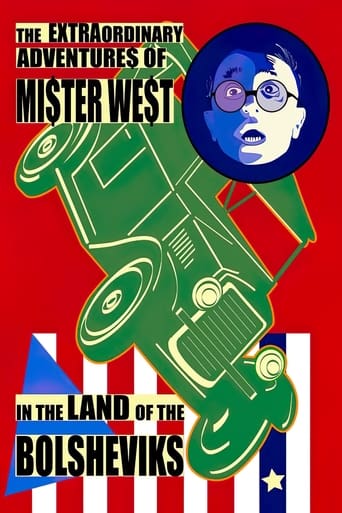
Soviet actor who emerged during the formative years of Soviet cinema in the 1920s. His most notable work came in 1924 when he appeared in Lev Kuleshov's satirical comedy 'The Extraordinary Adventures of Mr. West in the Land of the Bolsheviks,' which was one of the earliest Soviet films to directly engage with Western perceptions of the new Soviet state. Obolensky was part of Kuleshov's workshop and collective, which was instrumental in developing Soviet film theory and practice during this crucial period. His career appears to have been brief but significant, coinciding with the experimental and revolutionary spirit of early Soviet filmmaking. Leonid Obolensky contributed to a film that served as both entertainment and propaganda, showcasing the Soviet Union's attempts to present itself to international audiences. Beyond this single documented film credit, detailed records of Obolensky's subsequent career or other film work remain scarce in available historical archives, suggesting either a short-lived acting career or limited documentation of his contributions to early Soviet cinema.
The Craft
On Screen
As an actor in early Soviet cinema, Obolensky likely employed the exaggerated theatrical style common in silent film acting, characterized by broad gestures and expressive facial features to convey emotion without dialogue. His performance would have been influenced by the experimental approaches being developed in Soviet film workshops, particularly those associated with Lev Kuleshov's theories on montage and performance.
Milestones
- Appeared in Lev Kuleshov's 'The Extraordinary Adventures of Mr. West in the Land of the Bolsheviks' (1924)
- Participated in early Soviet experimental cinema movement
- Contributed to one of the first Soviet satirical comedies addressing Western perceptions
Best Known For
Iconic Roles
Must-See Films
Working Relationships
Worked Often With
Studios
Why They Matter
Impact on Culture
Leonid Obolensky's contribution to Soviet cinema, while brief, represents an important moment in the development of early Soviet film. His participation in Kuleshov's 1924 film places him within the revolutionary movement that established Soviet cinema as a major artistic and political force. The film he appeared in was significant for its early attempt to use comedy and satire to address the cultural and political divide between the Soviet Union and Western countries, a theme that would recur throughout Soviet cinema history.
Lasting Legacy
Obolensky's legacy is primarily tied to his association with one of the foundational works of Soviet cinema. While his personal career may have been short, his contribution to 'The Extraordinary Adventures of Mr. West in the Land of the Bolsheviks' ensures his place in the historical record of early Soviet filmmaking. The film itself remains an important document of early Soviet attempts to shape international perception through cinema, and Obolensky's performance is part of this significant cultural artifact.
Who They Inspired
Due to the limited documentation of his career and the brief nature of his film work, specific information about Obolensky's influence on other actors or filmmakers is not readily available. However, his association with Kuleshov's workshop places him within the influential circle that helped establish the theoretical and practical foundations of Soviet montage theory, which would profoundly influence international cinema throughout the 20th century.
Off Screen
Very limited information is available about Leonid Obolensky's personal life, which is not uncommon for actors from the early Soviet period whose careers were brief and whose personal details were not extensively documented in film archives.
Did You Know?
- Appeared in what is considered one of the first Soviet satirical comedies
- Worked with Soviet director Lev Kuleshov
- His film career appears to have been limited to the year 1924
- Participated in early Soviet cinema during its experimental and revolutionary phase
- The film he appeared in was one of the early Soviet attempts to address Western perceptions of the Bolshevik regime
- His name suggests possible aristocratic Russian heritage, which would have been notable in the early Soviet period
Frequently Asked Questions
Who was Leonid Obolensky?
Soviet with credits in this catalog. West in the Land of the Bolsheviks.' His career appears to have been brief but significant, placing him within the early Soviet experimental cinema movement.
What films is Leonid Obolensky best known for?
Titles linked here include The Extraordinary Adventures of Mr. West in the Land of the Bolsheviks (1924).
When was Leonid Obolensky born and when did he die?
Specific birth and death dates for Leonid Obolensky are not available in documented film archives, which is not uncommon for actors from the early Soviet period whose careers were brief and whose personal details were not extensively recorded.
What awards did Leonid Obolensky win?
There are no documented awards or nominations for Leonid Obolensky, which is typical for actors from the very early Soviet cinema period when formal award systems were not yet established in the Soviet film industry.
What was Leonid Obolensky's acting style?
As an actor in early Soviet silent cinema, Obolensky likely employed the theatrical, exaggerated style common to silent film performance, using broad gestures and expressive facial features to convey emotion. His work would have been influenced by the experimental approaches being developed in Soviet film workshops of the 1920s.