Films
5 films
About George S. Fleming
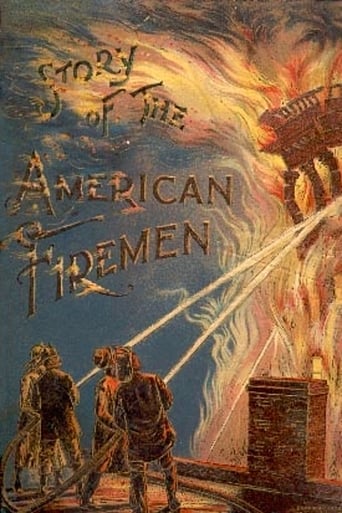
George S. Fleming was one of the directors of early American cinema during the dawn of the motion picture industry. Working primarily for the Edison Manufacturing Company in the early 1900s, Fleming was instrumental in developing the language of cinema during its formative years. His most significant contribution came with 'Life of an American Fireman' (1903), which he co-directed with Edwin S. Porter, representing one of the earliest examples of narrative filmmaking with cross-cutting techniques. Fleming's work often focused on everyday urban scenes and novelty acts that appealed to turn-of-the-century audiences. His films captured the essence of New York City life at the beginning of the 20th century, providing valuable historical documentation of the era. Despite his brief but impactful career spanning only a few years, Fleming's innovative approaches to storytelling and visual composition helped establish foundational techniques that would influence generations of filmmakers. His work represents a crucial transitional period in cinema history, moving from simple actualities toward more complex narrative structures.
The Craft
Behind the Camera
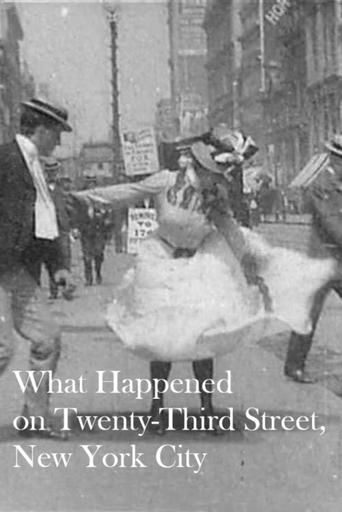
George S. Fleming's directing style was characteristic of early cinema pioneers, focusing on capturing real-life situations and staged novelty acts with a stationary camera. His work demonstrated an early understanding of visual storytelling, particularly evident in 'Life of an American Fireman' where he employed cross-cutting between different locations to build suspense and narrative continuity. Fleming often used long takes and simple compositions, typical of the technical limitations of the era, but showed innovation in his approach to sequencing shots. His urban documentaries like 'What Happened on Twenty-Third Street' captured authentic street scenes with a keen observational eye, while his staged comedies and novelty acts displayed an understanding of visual gags and timing. Fleming's direction reflected the transitional period from actualities to narrative fiction, bridging the gap between documentary-style filming and emerging storytelling techniques.
Milestones
- Directed 'Life of an American Fireman' (1903), one of the earliest narrative films with cross-cutting
- Created urban documentaries capturing New York City life at the turn of the century
- Pioneered early film techniques during cinema's formative years
- Worked for Edison Manufacturing Company during the dawn of American cinema
- Contributed to the development of narrative storytelling in motion pictures
Best Known For
Must-See Films
Working Relationships
Worked Often With
Studios
Why They Matter
Impact on Culture
George S. Fleming's cultural impact lies in his contribution to the foundational development of American cinema during its most formative years. His work with Edwin S. Porter on 'Life of an American Fireman' represents a crucial milestone in the evolution of narrative filmmaking, introducing cross-cutting techniques that would become fundamental to cinematic language. Fleming's urban documentaries provide invaluable historical records of New York City life at the turn of the 20th century, capturing the energy and atmosphere of America's largest city during a period of rapid transformation. His films, while simple by modern standards, helped establish the vocabulary of visual storytelling that would influence countless filmmakers who followed. Fleming's work exemplifies the transition from cinema as a novelty to cinema as an art form capable of narrative expression.
Lasting Legacy
George S. Fleming's legacy is preserved through his contributions to early American cinema, particularly his role in developing narrative filmmaking techniques. While his name may not be as widely recognized as some of his contemporaries, his work represents crucial steps in cinema's evolution from simple actualities to complex storytelling. 'Life of an American Fireman' stands as a landmark achievement in film history, demonstrating early mastery of temporal and spatial continuity that would become essential to cinematic grammar. Fleming's urban documentaries serve as important historical documents, offering contemporary audiences a window into life in early 20th century New York. His brief but impactful career exemplifies the innovative spirit of cinema's pioneers, who were essentially inventing the language of film as they worked.
Who They Inspired
George S. Fleming influenced the development of narrative cinema through his innovative work in cross-cutting and sequential storytelling. His collaboration with Edwin S. Porter on 'Life of an American Fireman' demonstrated how multiple locations could be intercut to create dramatic tension and narrative coherence, techniques that would become fundamental to film editing. Fleming's approach to capturing urban reality influenced subsequent documentary and street filmmaking, showing how everyday life could be compelling cinematic subject matter. His work helped establish the Edison Manufacturing Company as a leader in narrative filmmaking during the early 1900s, contributing to the studio's influence on the emerging American film industry.
Off Screen
Very little is known about George S. Fleming's personal life, which was typical of many early cinema pioneers whose biographical details were not extensively documented. He worked during a period when filmmakers were often considered technicians rather than artists, and personal information about crew members was rarely preserved. His brief but significant active years covered only a few years at the very beginning of the 20th century, making him part of the first generation of film directors in America.
Did You Know?
- George S. Fleming was active during the very dawn of cinema, working only from 1901-1903
- His most famous film 'Life of an American Fireman' was co-directed with Edwin S. Porter
- The film featured one of the earliest uses of cross-cutting in cinema history
- Fleming worked exclusively for the Edison Manufacturing Company during his brief career
- His films were shot on 35mm film, the standard established by Thomas Edison
- Many of his films were only 1-2 minutes long, typical of the era
- Fleming's urban documentaries captured authentic New York City street scenes
- His film 'What Happened on Twenty-Third Street' featured an early example of a wind blowing up a woman's skirt gag
- Fleming was part of the first generation of film directors in America
- His work represents the transition from actualities to narrative fiction in early cinema
Frequently Asked Questions
Who was George S. Fleming?
American on YTB.my. He was primarily associated with the Edison Manufacturing Company and co-directed the landmark film 'Life of an American Fireman' with Edwin S. Porter, which featured early use of cross-cutting techniques.
What films is George S. Fleming best known for?
Titles linked here include Life of an American Fireman (1903), What Happened on Twenty-Third Street, New York City (1901).
When was George S. Fleming born and when did he die?
Unfortunately, specific birth and death dates for George S. Fleming are not documented in historical records, which was common for many early film pioneers. His known active years covered from 1901 to 1903 during the very early days of American cinema.
What awards did George S. Fleming win?
George S. Fleming did not receive any formal awards during his career, as he worked during the earliest period of cinema before award systems were established. His recognition comes from his historical importance as a pioneer of narrative filmmaking techniques.
What was George S. Fleming's directing style?
Fleming's directing style was characteristic of early cinema pioneers, featuring stationary cameras and long takes typical of the era's technical limitations. However, he showed innovation in narrative techniques, particularly in 'Life of an American Fireman' where he used cross-cutting between different locations to build suspense and tell a cohesive story.