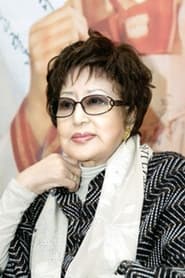
Choi Eun-hee
Actor
Born: November 20, 1926 in Gyeongseong (now Seoul), Korea Died: April 16, 2018 Active: 1947-1985 Birth Name: Choi Eun-hee (최은희)
Films
1 film
About Choi Eun-hee
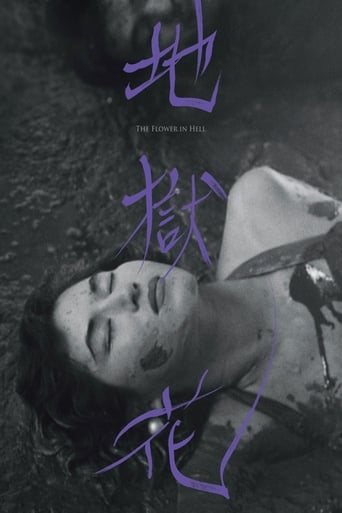
Figure in Korean cinema, emerging as prominent actresses during the golden age of Korean film in the 1950s and 1960s. She began her acting career in the late 1940s and quickly rose to stardom with her compelling performances and natural screen presence. Her role in 'The Flower in Hell' (1958) marked a significant milestone in her career, showcasing her ability to portray complex characters in socially relevant narratives. Throughout her career, she collaborated extensively with her husband, director Shin Sang-ok, becoming one of Korea's most celebrated cinematic couples. Her career was dramatically interrupted in 1978 when she was kidnapped by North Korean agents along with her husband, where they were forced to make films for Kim Jong-il. After their dramatic escape in 1986, she largely retired from acting, leaving behind a legacy as one of Korea's most talented and resilient actresses.
The Craft
On Screen
Known for her naturalistic acting style and emotional depth, Choi Eun-hee brought a subtle intensity to her roles that resonated with Korean audiences. She excelled at portraying complex female characters navigating traditional Korean society during periods of rapid modernization and social change.
Milestones
- Breakthrough role in 'A New Oath' (1947)
- Starred in 'The Flower in Hell' (1958)
- Multiple Best Actress awards in Korean film festivals
- Forced film production in North Korea (1978-1986)
- Escape from North Korea and subsequent memoir
Best Known For
Iconic Roles
Must-See Films
Accolades
Won
- Best Actress at the 1962 Asian Film Festival for 'A Woman's Life'
- Best Actress at the 1965 Baeksang Arts Awards
- Lifetime Achievement Award from the Korean Film Awards
Nominated
- Multiple nominations for Best Actress in Korean film festivals throughout the 1960s
Special Recognition
- Order of Cultural Merit (South Korea)
- Korean Film Hall of Fame inductee
Working Relationships
Worked Often With
Studios
Why They Matter
Impact on Culture
Choi Eun-hee played a crucial role in establishing the foundation for modern Korean cinema, particularly during its golden age in the 1950s and 1960s. Her performances helped define the archetype of the modern Korean woman on screen, balancing traditional values with contemporary challenges. Her work with Shin Sang-ok created some of the most significant films in Korean cinematic history, influencing generations of filmmakers and actors. The dramatic story of her kidnapping and escape brought international attention to the Korean film industry and the political tensions between North and South Korea.
Lasting Legacy
Choi Eun-hee's legacy extends beyond her impressive filmography to include her remarkable personal story of resilience and survival. She is remembered as one of Korea's greatest actresses, whose work helped shape Korean national cinema during its formative years. Her memoir about her North Korean experience provided rare insights into the secretive regime and became an important historical document. Today, she is celebrated not only for her artistic contributions but also for her courage and determination in the face of extraordinary adversity.
Who They Inspired
Choi Eun-hee's naturalistic acting style influenced generations of Korean actresses, moving away from theatrical performances toward more nuanced and realistic portrayals. Her ability to convey complex emotions with subtlety became a model for Korean cinema. Her collaboration with Shin Sang-ok established a template for director-actor partnerships in Korean film. The international attention her kidnapping story received also helped raise global awareness of Korean cinema during a period when it was relatively unknown outside Asia.
Off Screen
Choi Eun-hee's personal life was marked by both professional success and extraordinary personal challenges. She married director Shin Sang-ok in 1953, forming one of Korea's most powerful cinematic partnerships. Their marriage produced two sons and numerous acclaimed films. In 1978, their lives took a dramatic turn when they were separately kidnapped by North Korean agents on orders from Kim Jong-il, who wanted to use their talents to elevate North Korean cinema. They were held captive for eight years before making a daring escape in 1986 while seeking film rights in Vienna. After their escape, they eventually settled in the United States before returning to South Korea in their later years.
Education
Graduated from Gyeonggi Girls' High School, studied at Korea University's Department of Literature (did not complete due to acting career)
Family
- Shin Sang-ok (1953-2006, his death)
Did You Know?
- She was kidnapped twice by North Korean agents - once in Hong Kong and again in Vienna
- During her captivity in North Korea, she made 17 films under forced conditions
- Her escape from North Korea involved seeking asylum at the U.S. Embassy in Vienna
- She was nicknamed 'The Grace of Korean Cinema' for her elegant screen presence
- Her story was featured in the documentary 'The Lovers and the Despot' (2016)
- She and her husband operated a film production company in the United States after their escape
- She returned to acting briefly in the 1990s for a television series
- Her kidnapping was orchestrated personally by Kim Jong-il, who was obsessed with Korean cinema
- She was one of the first Korean actresses to gain international recognition
- Her films were often shown at international film festivals, helping introduce Korean cinema to global audiences
In Their Own Words
Acting is not just performing; it's living another life and understanding another soul.
Even in the darkest moments, art gives us the strength to endure and hope for freedom.
Our films were our children, and we had to protect them, even when we couldn't protect ourselves.
Frequently Asked Questions
Who was Choi Eun-hee?
Choi Eun-hee was one of Korea's most acclaimed actresses during the golden age of Korean cinema in the 1950s and 1960s. She starred in numerous classic films and was married to director Shin Sang-ok. Her life became internationally known when she was kidnapped by North Korea in 1978 and held captive for eight years before escaping.
What films is Choi Eun-hee best known for?
Choi Eun-hee is best known for 'The Flower in Hell' (1958), 'A Woman's Life' (1963), 'The Seaside Village' (1965), and 'Pompong' (1967). Many of her most acclaimed films were directed by her husband, Shin Sang-ok, and are considered classics of Korean cinema.
When was Choi Eun-hee born and when did she die?
Choi Eun-hee was born on November 20, 1926, in Gyeongseong (now Seoul), Korea, and passed away on April 16, 2018, at the age of 91. She lived through the most dramatic periods of modern Korean history.
What awards did Choi Eun-hee win?
Choi Eun-hee won Best Actress at the 1962 Asian Film Festival for 'A Woman's Life' and received the Best Actress award at the 1965 Baeksang Arts Awards. She was also honored with a Lifetime Achievement Award from the Korean Film Awards and received the Order of Cultural Merit from the South Korean government.
What was Choi Eun-hee's acting style?
Choi Eun-hee was known for her naturalistic acting style characterized by emotional depth and subtlety. She moved away from theatrical performances toward more nuanced portrayals, excelling at depicting complex female characters navigating traditional Korean society during rapid modernization.
What happened to Choi Eun-hee in North Korea?
In 1978, Choi Eun-hee was kidnapped by North Korean agents on orders from Kim Jong-il, who wanted to use her and her husband Shin Sang-ok's talents to improve North Korean cinema. They were held captive for eight years, forced to make 17 films before escaping in 1986 while in Vienna.
How did Choi Eun-hee escape from North Korea?
Choi Eun-hee and her husband escaped during a trip to Vienna in 1986, where they had been sent to negotiate film distribution rights. They managed to slip away from their North Korean minders and sought asylum at the U.S. Embassy, eventually making their way to freedom in the United States.