Gunnar Sommerfeldt
Actor & Director
Born: September 4, 1890 in Copenhagen, Denmark Died: August 30, 1947 Active: 1916-1921
Films
2 films
About Gunnar Sommerfeldt
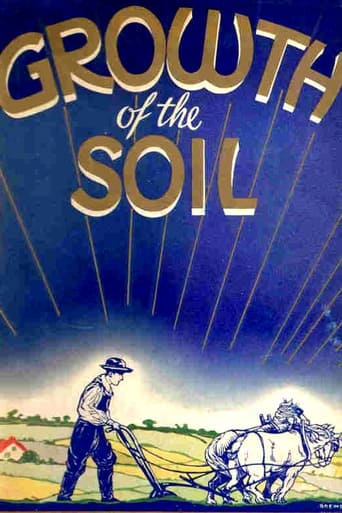
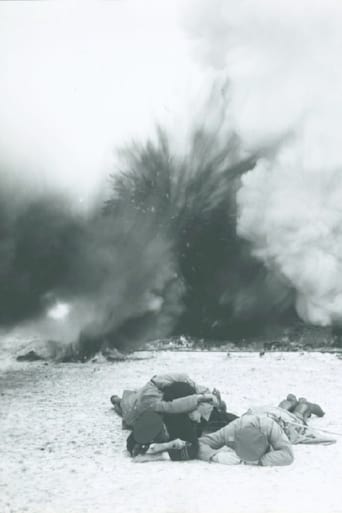
Figure in early Scandinavian cinema during the silent era, working as both an actor and director in Denmark and Norway. He began his film career as an actor in 1916, appearing in the patriotic Danish film 'In Defense of the Nation,' which showcased his dramatic abilities during a period of growing national consciousness. His most significant contribution to cinema came in 1921 when he directed and acted in 'Growth of the Soil' (Norwegian: 'Markens Grøde'), an adaptation of Knut Hamsun's Nobel Prize-winning novel, which became one of the earliest major Norwegian film productions. Sommerfeldt's directorial approach emphasized naturalistic storytelling and deep psychological character development, reflecting the literary sophistication of his source material. His career, though relatively brief, spanned the crucial transitional period of Scandinavian cinema from its early experimental phase to more mature narrative filmmaking. After 1921, Sommerfeldt largely disappeared from the film industry, making his contribution to early Nordic cinema all the more remarkable for its concentrated impact during these formative years of the medium.
The Craft
On Screen
Sommerfeldt's acting style reflected the naturalistic tendencies emerging in Scandinavian cinema, moving away from the exaggerated gestures common in early silent films toward more subtle, psychologically nuanced performances. His approach emphasized internal emotional states through restrained physical expression, drawing from theatrical traditions while adapting to the unique demands of cinematic storytelling.
Behind the Camera
As a director, Sommerfeldt demonstrated a sophisticated understanding of visual storytelling, employing natural landscapes as integral elements of narrative development. His directorial approach in 'Growth of the Soil' emphasized realism and authenticity, using location shooting to capture the harsh beauty of the Norwegian countryside. He favored long takes and deliberate pacing to allow for character development and thematic exploration, reflecting the literary origins of his source material.
Milestones
- Acting debut in 'In Defense of the Nation' (1916)
- Directorial debut with 'Growth of the Soil' (1921)
- One of the first directors to adapt Knut Hamsun's work to film
- Pioneer in early Norwegian cinema production
- Contributed to the development of Scandinavian silent film aesthetics
Best Known For
Iconic Roles
Must-See Films
Accolades
Special Recognition
- Recognized as a pioneer of early Norwegian cinema
- Cited in film histories for his adaptation of Knut Hamsun's work
Working Relationships
Worked Often With
Why They Matter
Impact on Culture
Gunnar Sommerfeldt's most significant cultural impact lies in his role as a bridge between Danish and Norwegian cinema during the silent era, particularly through his adaptation of Knut Hamsun's seminal work 'Growth of the Soil.' This film represented one of the earliest attempts to translate Norwegian literary realism to the cinematic medium, establishing important precedents for future Scandinavian filmmakers. His work contributed to the development of a distinct Nordic cinematic aesthetic that emphasized natural landscapes, psychological depth, and literary sophistication. Sommerfeldt's career, though brief, coincided with a crucial period when Scandinavian cinema was establishing its international reputation, particularly through the works of directors like Victor Sjöström and Mauritz Stiller.
Lasting Legacy
Sommerfeldt's legacy persists primarily through his groundbreaking adaptation of 'Growth of the Soil,' which remains a significant milestone in early Norwegian film history. His work represents an important example of the literary adaptation tradition in Scandinavian cinema, demonstrating how complex literary themes could be translated into visual storytelling during the silent era. While his name is not widely recognized today, film scholars studying early Nordic cinema acknowledge his contribution to establishing the foundation for Norway's film industry. His career exemplifies the transnational nature of early Scandinavian cinema, with Danish artists contributing significantly to the development of Norwegian film culture.
Who They Inspired
Sommerfeldt influenced subsequent generations of Scandinavian filmmakers through his naturalistic approach to adaptation and his emphasis on psychological depth over melodramatic effects. His work on 'Growth of the Soil' demonstrated that complex literary works could be successfully adapted to cinema without sacrificing their thematic complexity or artistic integrity. This approach would influence later Scandinavian directors who sought to elevate cinema to the level of high art, comparable to literature and theater. His cross-cultural collaboration between Danish and Norwegian film industries also set a precedent for Nordic cooperation in cinema that would continue throughout the 20th century.
Off Screen
Gunnar Sommerfeldt was born into a culturally prominent Danish family in Copenhagen, with his father being the renowned composer Gustav (Fritz) Sommerfeldt. He married actress Betty Nansen, one of Denmark's most celebrated theatrical performers, which placed him at the center of Copenhagen's cultural elite. The couple's marriage connected two significant artistic families in Danish cultural history. Sommerfeldt's family background provided him with extensive connections in the Scandinavian artistic community, which likely facilitated his entry into the film industry. His later years were marked by declining health, and he passed away in 1947, relatively forgotten despite his significant contributions to early Nordic cinema.
Education
Educated in Copenhagen, likely received training in theater and arts through family connections and the cultural environment of early 20th century Danish society
Family
- Betty Nansen (1914-1920)
Did You Know?
- His father, Gustav (Fritz) Sommerfeldt, was a famous Danish composer
- His wife Betty Nansen was one of Denmark's most celebrated actresses and theater directors
- 'Growth of the Soil' was one of the earliest major Norwegian film productions
- The film he directed was based on Knut Hamsun's Nobel Prize-winning novel
- Sommerfeldt's active years covered only five years but produced historically significant work
- He was part of Copenhagen's cultural elite through marriage and family connections
- His film adaptation was lost for many years before being rediscovered by film archivists
- He worked during the golden age of Scandinavian silent cinema
- His directing style showed influence from both Danish and Norwegian artistic traditions
- His career ended just as Scandinavian cinema was achieving international recognition
Frequently Asked Questions
Who was Gunnar Sommerfeldt?
Gunnar Sommerfeldt — credits here include In Defense of the Nation (1916), Growth of the Soil (1921). Active 1916-1921.
What films is Gunnar Sommerfeldt best known for?
Titles linked here include In Defense of the Nation (1916), Growth of the Soil (1921).
When was Gunnar Sommerfeldt born and when did he die?
Born September 4, 1890; died August 30, 1947.
What awards did Gunnar Sommerfeldt win?
There are no recorded major awards or nominations for Gunnar Sommerfeldt, as he worked during the early silent era when formal award systems were not yet established. His recognition comes primarily from his historical importance in Scandinavian cinema.
What was Gunnar Sommerfeldt's directing style?
Sommerfeldt's directing style emphasized naturalistic storytelling, psychological depth, and the use of authentic Norwegian landscapes. He favored deliberate pacing and visual realism, particularly evident in his adaptation of literary works to film.
How was Gunnar Sommerfeldt connected to Danish theater?
Sommerfeldt was married to Betty Nansen, one of Denmark's most celebrated actresses and theater directors, and his father was composer Gustav Sommerfeldt, placing him at the center of Copenhagen's cultural elite during the early 20th century.