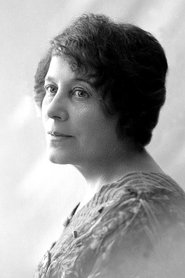
Ragna Wettergreen
Actor
Born: September 19, 1864 in Christiania (now Oslo), Norway Died: June 27, 1958 Active: 1883-1950 (theater), 1921 (film) Birth Name: Ragna Aass Wettergreen
Films
2 films
About Ragna Wettergreen
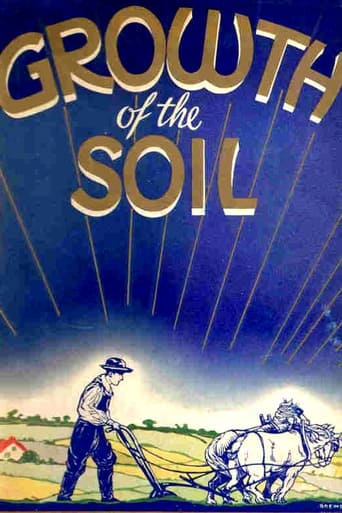
Norwegian actress: career primarily flourished on the theatrical stages of Norway during the late 19th and early 20th centuries. Born Ragna Aass in 1864, she became one of Norway's most respected stage performers, known for her powerful dramatic presence and versatility in both classical and contemporary roles. While her film career was exceptionally brief, consisting mainly of her appearance in the 1921 silent epic 'Growth of the Soil,' her contribution to Norwegian performing arts was substantial through decades of theatrical work. Wettergreen was particularly associated with the National Theatre in Oslo, where she performed numerous leading roles that showcased her remarkable range as an actress. Her transition to cinema came late in her career, making her film appearance in 'Growth of the Soil' particularly significant as it captured her mature artistic mastery on screen. Despite her limited filmography, her performance in this adaptation of Knut Hamsun's Nobel Prize-winning novel demonstrated her ability to convey deep emotion through the subtle techniques required by silent cinema. Wettergreen's legacy endures primarily through her influence on Norwegian theater and her role in preserving the country's dramatic traditions during a period of significant cultural change.
The Craft
On Screen
Wettergreen was known for her naturalistic yet emotionally powerful acting style, which evolved from the melodramatic traditions of 19th-century theater to the more psychologically nuanced approaches of the early 20th century. Her stage performances were characterized by remarkable vocal control, expressive gestures, and an ability to convey complex emotional states through subtle facial expressions and body language. In her film work, she successfully adapted her theatrical techniques to the intimate medium of cinema, using her eyes and minimal movements to convey deep emotional resonance. Her approach emphasized psychological authenticity and emotional truth, making her particularly effective in dramatic roles that required intense emotional depth.
Milestones
- Debut at Christiania Theatre in 1883
- Long-standing association with National Theatre in Oslo
- Leading roles in Ibsen and Bjørnson plays
- Performance in 'Growth of the Soil' (1921)
- Recipient of the King's Medal of Merit
- Influential theater teacher and mentor
- Pioneer for women in Norwegian performing arts
Best Known For
Iconic Roles
Must-See Films
Accolades
Won
- King's Medal of Merit in Gold (1934)
Special Recognition
- Named Knight, First Class of the Order of St. Olav (1938)
- Honorary member of the Norwegian Actors' Equity Association
- Cultural preservation award from Norwegian government
Working Relationships
Worked Often With
Studios
Why They Matter
Impact on Culture
Ragna Wettergreen played a crucial role in establishing and maintaining high artistic standards in Norwegian theater during a period of national cultural awakening. Her interpretations of Ibsen and Bjørnson helped define Norwegian theatrical identity and set benchmarks for dramatic performance that influenced generations of actors. Though her film work was minimal, her appearance in 'Growth of the Soil' represented an important moment in Norwegian cinema, bringing theatrical gravitas to the emerging art form. Wettergreen's active years covered the transition from 19th-century theatrical conventions to modern performance techniques, making her a living link between different eras of Norwegian performing arts. Her dedication to preserving Norwegian dramatic traditions while embracing new artistic approaches helped ensure the continued relevance of classical theater in Norwegian culture.
Lasting Legacy
Ragna Wettergreen's legacy endures through her profound influence on Norwegian theater and her role in shaping the country's dramatic arts tradition. She is remembered as one of Norway's greatest stage actresses, whose performances helped establish the National Theatre as a premier cultural institution. Her interpretation of classic Norwegian plays became reference points for subsequent generations of actors, and her teaching methods influenced theatrical education in Norway for decades. While her filmography consists of only one major work, her performance in 'Growth of the Soil' stands as proof of her ability to bridge theatrical and cinematic arts. Wettergreen's name remains synonymous with artistic excellence in Norwegian performing arts, and she is frequently cited in theater histories as a pivotal figure in the development of Norwegian dramatic tradition.
Who They Inspired
Wettergreen influenced Norwegian theater through her naturalistic acting style, which helped move Norwegian performances away from excessive melodrama toward more psychologically realistic portrayals. Her work with classical texts, particularly Ibsen, established interpretive approaches that became standard in Norwegian theater. Many prominent Norwegian actors of the mid-20th century cited her as an influence, either through direct mentorship or through studying her performances. Her success as a leading lady in an era when women faced significant barriers in professional theater inspired future generations of Norwegian actresses to pursue careers in the performing arts. Her approach to character development and emotional authenticity influenced not just actors but also directors and playwrights working in Norway during the early 20th century.
Off Screen
Ragna Wettergreen was married to fellow Norwegian actor Sigurd Eldegard, with whom she shared both personal and professional partnerships in the Norwegian theater scene. Their marriage was considered one of the great theatrical partnerships of their era, with both actors supporting each other's careers while maintaining their individual artistic identities. Wettergreen was known for her dedication to the craft of acting and her role in mentoring younger performers, often hosting gatherings at her home where theatrical discussions and artistic development flourished. She remained active in the arts community well into her later years, serving as a bridge between the golden age of Norwegian theater and the modern era of performing arts.
Education
Educated at the Royal Theatre School in Copenhagen, Denmark; received private tutoring in dramatic arts from prominent Norwegian theater instructors of the 1880s
Family
- Sigurd Eldegard (1896-1942, his death)
Did You Know?
- Made her film debut at age 57 in 'Growth of the Soil' despite being a veteran stage actress
- Her performance in 'Growth of the Soil' was praised by Knut Hamsun himself, the Nobel Prize-winning author of the source novel
- Spent over 60 years in the Norwegian theater, making her one of the longest-serving actresses in the country's history
- Was one of the first Norwegian actresses to receive the King's Medal of Merit for artistic contributions
- Her marriage to Sigurd Eldegard was considered the 'power couple' of Norwegian theater in their era
- Continued performing on stage well into her 70s, defying age barriers in theater
- Taught acting at the National Theatre's school, influencing multiple generations of Norwegian performers
- Was fluent in multiple languages, which helped her understand and interpret international dramatic works
- Survived both World Wars while maintaining her theatrical career through periods of cultural upheaval
- Her home in Oslo became a gathering place for Norwegian artists and intellectuals
In Their Own Words
The stage is not merely a platform for performance, but a sacred space where truth reveals itself through the human soul.
In every role, one must find not just the character, but the universal humanity that connects us all.
Acting is not about pretending to be someone else, but about discovering the parts of ourselves that resonate with the character.
The greatest reward of theater is not applause, but the moment when an audience member sees their own truth reflected on stage.
Even in silence, as in film, the actor's soul must speak louder than words ever could.
Frequently Asked Questions
Who was Ragna Wettergreen?
Renowned Norwegian stage actress who had a career spanning over 60 years in Norwegian theater, best known for her powerful dramatic performances and her single notable film appearance in 'Growth of the Soil' (1921).
What films is Ragna Wettergreen best known for?
Titles linked here include Growth of the Soil (1921).
When was Ragna Wettergreen born and when did she die?
Born September 19, 1864; died June 27, 1958.
What awards did Ragna Wettergreen win?
Ragna Wettergreen received the King's Medal of Merit in Gold in 1934 and was named Knight, First Class of the Order of St. Olav in 1938, among other honors recognizing her contributions to Norwegian culture and theater.
What was Ragna Wettergreen's acting style?
Wettergreen's acting style evolved from melodramatic traditions to naturalistic, psychologically nuanced performances characterized by emotional authenticity, vocal control, and expressive subtlety that worked effectively on both stage and screen.
Was Ragna Wettergreen married?
Yes, Ragna Wettergreen was married to fellow Norwegian actor Sigurd Eldegard from 1896 until his death in 1942, and their partnership was considered one of the great theatrical collaborations in Norwegian history.
What was Ragna Wettergreen's legacy in Norwegian theater?
Wettergreen's legacy includes establishing high artistic standards in Norwegian theater, defining interpretations of classic Norwegian plays, mentoring generations of actors, and helping preserve Norwegian dramatic traditions during a period of significant cultural change.