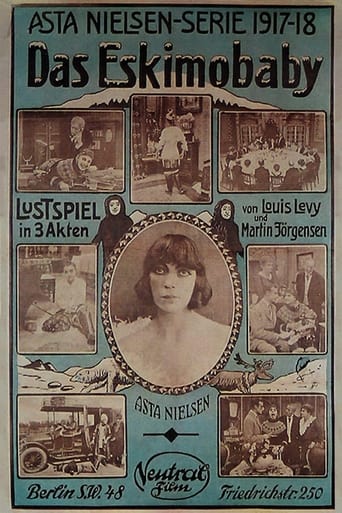
Films
1 film
About Heinz Schall
German film director active during the silent era of cinema, known primarily for his 1918 film 'The Eskimo Baby.' His career appears to have been brief, with records indicating activity only in the year 1918. Like many directors of this period, Schall worked during a transformative time in German cinema, which would later flourish during the Weimar period with expressionist masterpieces. His film 'The Eskimo Baby' reflects the exotic and adventure themes popular in silent cinema, though little detailed information about the film's content or reception survives. Schall's limited filmography suggests he may have been one of the many directors who worked briefly in the burgeoning film industry before either transitioning to other work or being overshadowed by more prominent figures of the era. The scarcity of information about Schall is typical of many early film pioneers whose contributions were not extensively documented in contemporary records.
The Craft
Behind the Camera
Limited information suggests he worked within the conventions of silent era German cinema, likely employing visual storytelling techniques typical of the period including intertitles and exaggerated performances to convey narrative without synchronized sound.
Milestones
- Directed 'The Eskimo Baby' (1918)
- Active during the German silent film era
Best Known For
Must-See Films
Why They Matter
Impact on Culture
Heinz Schall's impact on cinema history appears minimal due to his extremely limited filmography and the obscurity of his known work. However, directors like Schall represent the countless individuals who contributed to the early development of cinema during its formative years. His work during 1918 places him in an important period of German film history, just before the golden age of German Expressionism would emerge. The existence of directors like Schall demonstrates the widespread experimentation and production occurring in the film industry during World War I and its immediate aftermath.
Lasting Legacy
Heinz Schall's legacy is primarily that of an obscure figure from the silent era, representing the many directors whose work has been largely lost to time. His single known film 'The Eskimo Baby' shows the diverse range of stories being told in early cinema, including exotic adventure narratives that appealed to audiences of the period. While his individual contribution may be minimal, Schall is part of the broader tapestry of early German filmmakers who helped establish the foundation for the remarkable achievements of German cinema in the 1920s.
Who They Inspired
There is no documented evidence of Heinz Schall's influence on other filmmakers or actors, likely due to his brief career and the obscurity of his work. Like many minor directors of the silent era, his influence would have been limited to his immediate circle of collaborators and the audiences who viewed his films during their original release.
Off Screen
Very little personal information about Heinz Schall survives in historical records, which is common for many early film industry professionals who were not major stars or prominent directors. His brief period of activity suggests he may have been a journeyman director or someone who briefly experimented with filmmaking before pursuing other career paths.
Did You Know?
- Heinz Schall's entire known filmography consists of just one year of activity (1918)
- His film 'The Eskimo Baby' reflects the popular exotic adventure themes of silent cinema
- The director worked during World War I, a period of significant change in the German film industry
- Very little documentation about Schall survives, making him one of the more obscure figures from early German cinema
- His brief career coincides with the period just before German Expressionism would revolutionize cinema
- The lack of information about Schall is typical of many journeyman directors from the silent era
- His German nationality places him within
Frequently Asked Questions
Who was Heinz Schall?
German on YTB.my.' His career appears to have been extremely brief, with documented activity only in 1918, making him one of the more obscure figures from early German cinema.
What films is Heinz Schall best known for?
Titles linked here include The Eskimo Baby (1918).
When was Heinz Schall born and when did he die?
Unfortunately, specific birth and death dates for Heinz Schall are not available in historical records. This lack of biographical information is common for many minor figures from the silent film era whose contributions were not extensively documented.
What awards did Heinz Schall win?
There are no records of Heinz Schall receiving any major awards or nominations. This is typical for many directors from the silent era, particularly those with brief careers or limited filmographies, as formal award systems in cinema were not yet established during his active period.
What was Heinz Schall's directing style?
While specific details about Schall's directing style are scarce, he likely worked within the conventions of silent era German cinema. This would have included visual storytelling techniques, intertitles for dialogue and exposition, and directing actors in the exaggerated performance style necessary for silent film communication.