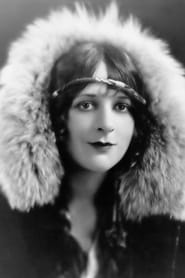
Nell Shipman
Actor & Director
Born: October 25, 1892 in Victoria, British Columbia, Canada Died: January 23, 1970 Active: 1912-1928 Birth Name: Helen Foster Shipman
Films
3 films
About Nell Shipman
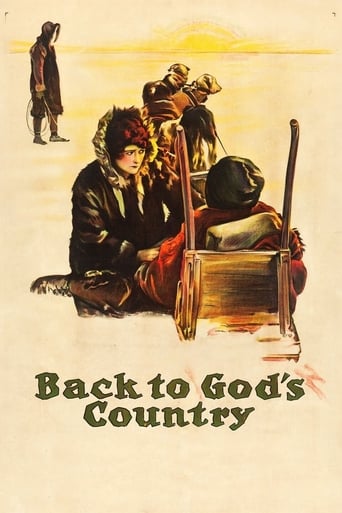
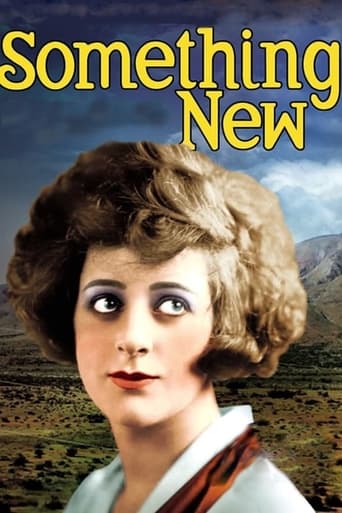
Canadian actress, director, screenwriter, and animal trainer who broke barriers in the early film industry. Born Helen Foster Shipman in Victoria, British Columbia, she began her career as a stage actress before transitioning to silent films in the early 1910s. Shipman formed her own production company, Nell Shipman Productions, making her one of the few female filmmakers of her era to maintain creative control over her work. She specialized in wilderness adventure films, often writing, directing, and starring in productions that showcased her love for nature and animals. Her most famous work, 'Back to God's Country' (1919), was successful Canadian films of the silent era and featured her performing her own stunts in harsh wilderness conditions. After relocating to the United States, she continued making independent films through the 1920s, including 'Something New' (1920), which featured chase scenes with automobiles. Shipman's career declined with the advent of sound films, but she remained an influential figure in early cinema history, remembered for her determination, independence, and spirit as a female filmmaker in a male-dominated industry.
The Craft
On Screen
Shipman was known for her naturalistic and athletic performance style, often performing her own dangerous stunts in wilderness settings. Her acting emphasized physical endurance and emotional authenticity rather than theatrical exaggeration, which was common in the silent era. She brought a sense of realism to her adventure films by genuinely interacting with wild animals and enduring harsh environmental conditions during shoots.
Behind the Camera
As a director, Shipman was innovative in her use of location photography and natural settings, preferring authentic wilderness over studio backdrops. She employed dynamic camera movements and was particularly skilled at creating suspenseful chase sequences. Her films often featured strong female protagonists and themes of independence and survival, reflecting her own feminist perspectives.
Milestones
- Starred in the controversial 'God's Country and the Woman' (1915)
- Formed Nell Shipman Productions in 1918
- Directed and starred in 'Back to God's Country' (1919),
- Made 'Something New' (1920) featuring innovative automobile chase scenes
- Established a lion ranch in California for training animals for films
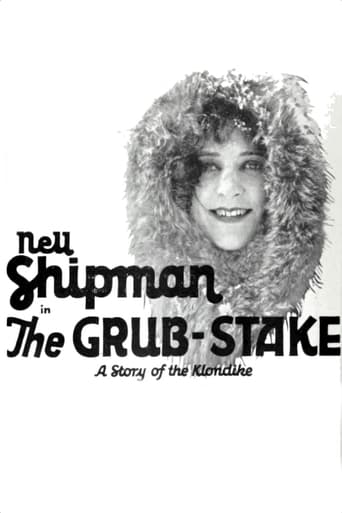
- Wrote, directed, and starred in 'The Grub Stake' (1923)
- Pioneered location filming in wilderness settings
- Became one of the first female filmmakers to maintain creative control over her productions
Best Known For
Iconic Roles
Must-See Films
Accolades
Won
- Inducted into the Canadian Film Hall of Fame (1984, posthumous)
Special Recognition
- Canada's Walk of Fame star (2006, posthumous)
- Governor General's Award in Visual and Media Arts (2016, posthumous)
- Star on Canada's Walk of Fame in Toronto
- Commemorative stamp issued by Canada Post (2008)
Working Relationships
Worked Often With
Studios
Why They Matter
Impact on Culture
Trailblazer who challenged gender norms in the early film industry, establishing herself as one of the few women to both direct and star in her own films during the silent era. Her work helped establish Canadian cinema as a distinct entity, particularly through her adaptation of James Oliver Curwood's wilderness stories. Shipman's films featured unprecedented levels of on-location shooting in harsh natural environments, setting new standards for realism in adventure cinema. Her portrayal of strong, independent female characters provided early examples of feminist representation in film, decades before such themes became mainstream.
Lasting Legacy
Shipman's legacy lies in her role as a female filmmaker who maintained creative independence in an era dominated by male studio executives. Her surviving films are studied as important examples of early Canadian cinema and women's filmmaking. The Nell Shipman Award for Excellence in Documentary Filmmaking was established in her honor, recognizing her contributions to Canadian film culture. Her autobiography, 'The Silent Screen and My Talking Heart,' published posthumously, provides invaluable insights into the early film industry and the challenges faced by women filmmakers.
Who They Inspired
Shipman influenced subsequent generations of Canadian filmmakers and women directors by demonstrating that creative control was possible outside the studio system. Her techniques for working with animals on film sets were groundbreaking and influenced later adventure and nature documentarians. Contemporary filmmakers studying early cinema often cite her work as exemplary of independent filmmaking and gender representation in silent films. Her emphasis on location shooting and authentic settings prefigured later movements in realistic filmmaking.
Off Screen
Shipman married twice, first to actor-director Bert Van Tuyle in 1915, with whom she had one son, Barry. The couple divorced in 1928 after their professional and personal partnership dissolved. Her second marriage was to Charles Ayers in 1934, which lasted until his death in 1948. Shipman was deeply devoted to animal welfare throughout her life, maintaining various animal sanctuaries and training facilities. In her later years, she struggled financially but continued writing, including an unpublished autobiography and several screenplays. She spent her final years in Cabazon, California, surrounded by the animals she loved.
Education
Educated in Victoria, British Columbia; received early theatrical training at the Vancouver Opera House
Family
- Bert Van Tuyle (1915-1928)
- Charles Ayers (1934-1948)
Did You Know?
- Was one of the first filmmakers to use live wild animals in dramatic scenes
- Performed a nude scene in 'Back to God's Country' (1919), highly controversial for the time
- Established a 1,800-acre ranch in Idaho for filming and animal training
- Once spent 10 days lost in the wilderness during a film shoot
- Her film 'Back to God's Country' was considered lost for decades before being rediscovered
- Was an accomplished pilot and used aircraft in some of her films
- Spoke multiple languages including French, which helped in international film distribution
- Wrote over 40 screenplays throughout her career
- Her personal collection of animals included bears, wolves, and big cats
- Was a vocal advocate for animal welfare and humane treatment in filmmaking
In Their Own Words
I have always believed that a woman's place is in the picture business, and I intend to stay there.
The wilderness is my studio, and the animals are my co-stars.
I would rather face a grizzly bear on film than a studio executive in an office.
Every film I make must have a message of hope and courage.
The camera doesn't lie, and neither does the wilderness.
I make films for those who dare to dream of adventure and freedom.
A woman in pictures must be more than just beautiful—she must be brave.
The greatest thrill is not in the taking of the picture, but in the making of it.
Frequently Asked Questions
Who was Nell Shipman?
Canadian actress, on YTB.my. She was one of the few women of her era to maintain creative control over her films, forming her own production company and specializing in wilderness adventure movies that often featured her performing dangerous stunts alongside wild animals.
What films is Nell Shipman best known for?
Titles linked here include Back to God's Country (1919), Something New (1920).
When was Nell Shipman born and when did she die?
Born October 25, 1892; died January 23, 1970.
What awards did Nell Shipman win?
Although Shipman received few awards during her lifetime, she has been posthumously recognized with induction into the Canadian Film Hall of Fame in 1984, a star on Canada's Walk of Fame in 2006, and the Governor General's Award in Visual and Media Arts in 2016. Canada Post also issued a commemorative stamp in her honor in 2008.
What was Nell Shipman's acting and directing style?
Shipman's acting style emphasized naturalism and physical authenticity, often performing her own stunts in harsh wilderness conditions. As a director, she pioneered location filming in authentic settings rather than studio backdrops, created dynamic chase sequences, and focused on themes of female independence and survival. Her films were known for their realism and strong feminist perspectives.