
Films
1 film
About Chen Yan-yan
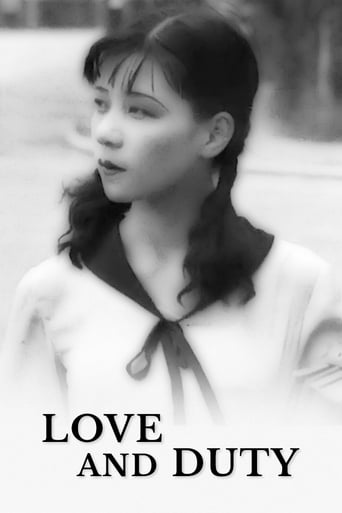
Early Chinese cinema actress who emerged during the transitional period from silent films to talkies in the 1930s. Her most notable appearance was in the landmark 1931 film 'Love and Duty' (Lian'ai yu Yiwu), which was considered early Chinese sound films. The film itself was lost for decades before being rediscovered in Uruguay in the 1990s, making Chen's performance part of a significant cinematic rediscovery. Working during a transformative era in Chinese film history, she contributed to the development of early Chinese narrative cinema and helped establish the emotional melodramatic style that would become characteristic of Chinese cinema. Her career, while brief, coincided with the golden age of Shanghai's film industry, which was then the cinematic capital of East Asia. The rediscovery of 'Love and Duty' has renewed interest in her work and the contributions of early Chinese actresses to world cinema history.
The Craft
On Screen
While specific details about Chen Yan-yan's acting style are limited due to the scarcity of documentation from this era, her performance in 'Love and Duty' would have reflected the melodramatic and emotional acting style prevalent in early Chinese cinema. Actors of this period often employed theatrical techniques inherited from stage performance, adapting them for the new medium of sound film. The emotional intensity and dramatic expression characteristic of early Chinese melodramas would have been central to her performance approach.
Milestones
- Starred in 'Love and Duty' (1931),
- Contributed to early Chinese cinema during Shanghai's golden age
- Part of cinematic history with film's rediscovery in 1990s
Best Known For
Iconic Roles
Must-See Films
Working Relationships
Worked Often With
Studios
Why They Matter
Impact on Culture
Chen Yan-yan's contribution to cinema, while brief, is significant as part of the foundational era of Chinese sound film. Her appearance in 'Love and Duty' places her within the context of early Chinese cinema's efforts to establish a national film identity during a period of political and social upheaval. The film itself addressed themes of women's emancipation and social reform that were central to Chinese intellectual discourse in the 1930s. The rediscovery of 'Love and Duty' has brought renewed attention to the contributions of early Chinese actresses like Chen, who helped shape the emotional and narrative vocabulary of Chinese cinema.
Lasting Legacy
Chen Yan-yan's legacy is primarily preserved through her role in 'Love and Duty,' a film that has gained historical significance following its rediscovery. As one of the early actresses in Chinese sound cinema, she represents the generation of Chinese film performers who helped establish the industry's artistic conventions. The film's status as a rediscovered masterpiece ensures that her contribution, however small in scope, remains part of the historical record of world cinema. Her work exemplifies the transitional period when Chinese cinema was finding its voice both literally and artistically.
Who They Inspired
Due to the limited documentation of her career and the brief nature of her film appearances, Chen Yan-yan's direct influence on subsequent generations of actors is difficult to trace. However, as part of the foundational generation of Chinese sound film actors, she would have contributed to establishing the acting conventions and emotional styles that would influence later Chinese cinema. The rediscovery and restoration of 'Love and Duty' has allowed contemporary scholars and filmmakers to study and appreciate the techniques of early Chinese performers like Chen.
Off Screen
Very little documented information is available about Chen Yan-yan's personal life, which is common for many early Chinese cinema figures whose records were lost during the political upheavals of the 20th century in China. Like many actors of her era, she would have been part of Shanghai's vibrant film community during its peak in the early 1930s.
Did You Know?
- 'Love and Duty' was considered lost for over 60 years before being rediscovered in Uruguay in the 1990s
- The film's rediscovery was
- Chen Yan-yan appeared during the peak of Shanghai's reputation as the 'Hollywood of the East'
- Early Chinese cinema of the 1930s often addressed themes of social reform and women's rights
- The transition to sound film in China happened rapidly in the early 1930s
- Many records from early Chinese cinema were lost during the Cultural Revolution
- Shanghai in the 1930s was the third-largest film production center in the world after Hollywood and Berlin
Frequently Asked Questions
Who was Chen Yan-yan?
Early Chinese cinema actress active in 1931, best known for her role in the landmark film 'Love and Duty.' She was part of the generation of Chinese actors who worked during the transition from silent to sound films in Shanghai's golden age of cinema.
What films is Chen Yan-yan best known for?
Titles linked here include Love and Duty (1931).
When was Chen Yan-yan born and when did she die?
Unfortunately, specific birth and death dates for Chen Yan-yan are not available in historical records, which is common for many early Chinese cinema figures whose documentation was lost during the political upheavals of 20th century China.
What awards did Chen Yan-yan win?
There are no documented awards or nominations for Chen Yan-yan, which reflects the limited formal recognition systems in early Chinese cinema during the 1930s and the loss of many historical records from that period.
What was Chen Yan-yan's acting style?
While specific details about Chen Yan-yan's acting style are not extensively documented, her performance in 'Love and Duty' would have reflected the melodramatic and emotionally expressive style typical of early Chinese cinema, adapting theatrical techniques for the new medium of sound film.
Why is Chen Yan-yan historically significant?
Chen Yan-yan is historically significant as part of the foundational generation of Chinese sound film actors. Her appearance in 'Love and Duty,' a film that was lost for decades before its rediscovery, makes her a contributor to.