
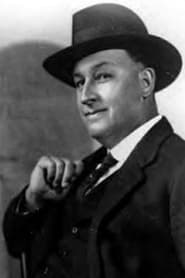
Raymond Longford
Director
Born: September 23, 1878 in Hawthorn, Victoria, Australia Died: April 2, 1959 Active: 1911-1959 Birth Name: Raymond James Longford
Films
2 films

About Raymond Longford
Helped establish the foundation of Australian cinema during the silent era. Born in 1878 in Hawthorn, Victoria, he began his career as a stage actor before transitioning to film in the early 1910s, quickly becoming one of Australia's most prolific and respected filmmakers. Longford formed a professional and personal partnership with actress Lottie Lyell, who starred in many of his most significant works and co-wrote several screenplays. His masterpiece, 'The Sentimental Bloke' (1919), became successful Australian films of the silent era, praised for its naturalistic acting, authentic Australian settings, and innovative storytelling techniques. Throughout the 1920s, he continued directing numerous features, though the Australian film industry began declining due to competition from Hollywood productions. Despite facing financial hardships and the collapse of the Australian film industry in the late 1920s, Longford remained active in cinema, working on smaller projects and attempting to revive Australian filmmaking until his death in 1959. His contributions to Australian cinema were eventually recognized with the Raymond Longford Award being established in his honor, presented annually by the Australian Film Institute for outstanding contribution to Australian film.
The Craft
Behind the Camera
Longford's directing style emphasized realism, naturalistic performances, and authentic Australian settings. He pioneered location shooting rather than relying solely on studio sets, capturing the unique Australian landscape and urban environments. His films often explored working-class themes and Australian vernacular, distinguishing his work from the more formal European and American styles of the period.
Milestones
- Directed 'The Sentimental Bloke' (1919), Australia's most successful silent film
- Pioneered location filming in Australian cinema
- Established Longford-Lyell Film Company with Lottie Lyell
- Directed over 30 feature films during the silent era
- Helped create authentic Australian film identity
- Mentored numerous Australian filmmakers
- Advocated for Australian film industry protection
Best Known For
Iconic Roles
Must-See Films
Accolades
Won
- Raymond Longford Award (posthumously named in his honor)
- Australian Film Institute Lifetime Achievement Award (posthumous)
Nominated
- AFI Award nomination for Best Director (historical recognition)
Special Recognition
- Inducted into Australian Film Hall of Fame
- Raymond Longford Award established by Australian Film Institute in his honor
- Featured on Australian postage stamp for film pioneers
- Star on Australian Walk of Fame
Working Relationships
Worked Often With
Studios
Why They Matter
Impact on Culture
Raymond Longford fundamentally shaped Australian cinema's identity during its formative years, creating films that authentically represented Australian life, language, and culture at a time when most cinema was dominated by American and British productions. His masterpiece 'The Sentimental Bloke' demonstrated that Australian stories could achieve both critical acclaim and commercial success, proving the viability of a national cinema. Longford's use of real locations, naturalistic acting, and Australian vernacular established a template for Australian filmmaking that would influence generations of directors. His advocacy for protecting Australian film from foreign competition helped shape early film policy discussions, though his warnings about Hollywood's dominance proved prophetic.
Lasting Legacy
Longford's legacy endures through the Raymond Longford Award, the Australian Film Institute's highest honor for lifetime achievement in film. His films, particularly 'The Sentimental Bloke,' are now recognized as national treasures and studied as foundational texts of Australian cinema. The rediscovery and restoration of his work in the late 20th century sparked renewed appreciation for Australia's silent film heritage. Longford is celebrated as a pioneer who fought to establish an authentic Australian voice in cinema, influencing the Australian New Wave movement of the 1970s and contemporary filmmakers who continue to seek uniquely Australian stories.
Who They Inspired
Longford influenced Australian cinema through his technical innovations, particularly his early adoption of location shooting and naturalistic performance styles. His collaborative approach with Lottie Lyell established a model for creative partnerships in Australian filmmaking. Directors of the Australian New Wave, such as Peter Weir and Fred Schepisi, drew inspiration from Longford's focus on distinctly Australian themes and settings. His emphasis on authentic Australian voices and stories continues to resonate in contemporary Australian cinema, influencing filmmakers like Baz Luhrmann and George Miller in their efforts to create globally successful films rooted in Australian culture.
Off Screen
Longford had a complex personal life marked by his professional partnership with Lottie Lyell, with whom he collaborated extensively and reportedly had a romantic relationship, though they never married. After Lyell's tragic death from tuberculosis in 1925 at age 35, Longford was deeply affected and never fully recovered professionally or emotionally. He later married Dorothy Hallam in 1930, with whom he had one child. Longford struggled financially in his later years, particularly after the collapse of the Australian film industry, and lived in relative obscurity until renewed interest in Australian film history brought recognition of his contributions.
Education
Limited formal education; primarily self-taught in filmmaking through practical experience in theater and early cinema
Family
- Dorothy Hallam (1930-1959)
Did You Know?
- 'The Sentimental Bloke' was so successful it was screened continuously in Sydney cinemas for six weeks
- Longford was one of the first directors to shoot extensively on location in Australia
- He often wrote, directed, produced, and acted in his own films
- Lottie Lyell died during production of 'The Bushwhackers' (1925), which Longford completed in her honor
- Longford's films were banned in some Australian states for their realistic depiction of working-class life
- He served in World War I, which interrupted his early film career
- Many of Longford's films are now considered lost due to poor preservation practices of the era
- He was briefly blacklisted during the 1930s for his outspoken criticism of Hollywood's dominance
- Longford taught film technique at the University of Sydney in his later years
- His final film 'The Sentimental Bloke' was remade as a sound film in 1932, which Longford disliked
In Their Own Words
We must make Australian films for Australian people, not pale imitations of American pictures
The camera should be as honest as the Australian bush itself
Lottie Lyell was not just my star, she was my other half in every sense
A film without Australian soul is not an Australian film at all
The tragedy of our cinema is not that it failed, but that we allowed it to fail
Frequently Asked Questions
Who was Raymond Longford?
Australian on YTB.my. He is best known for directing 'The Sentimental Bloke' (1919), which became one of Australia's most successful and influential early films.
What films is Raymond Longford best known for?
Titles linked here include The Sentimental Bloke (1919), The Woman Suffers (1918).
When was Raymond Longford born and when did he die?
Born September 23, 1878; died April 2, 1959.
What awards did Raymond Longford win?
During his lifetime, Longford received little formal recognition, but posthumously, the Australian Film Institute established the Raymond Longford Award in his honor, their highest award for lifetime achievement in film. He has also been inducted into the Australian Film Hall of Fame.
What was Raymond Longford's directing style?
Longford's directing style emphasized realism, naturalistic performances, and authentic Australian settings. He pioneered location shooting and focused on working-class themes, using Australian vernacular and landscapes to create a distinctly national cinema.
Who was Lottie Lyell and what was her relationship with Longford?
Lottie Lyell was a talented actress and writer who became Longford's creative and personal partner. She starred in many of his films, co-wrote screenplays, and reportedly co-directed some productions. Their professional collaboration was.
Why is 'The Sentimental Bloke' considered important?
'The Sentimental Bloke' is considered important because it demonstrated that Australian films could achieve both critical acclaim and commercial success. Its authentic depiction of Australian life, naturalistic acting, and innovative storytelling made it a landmark in Australian cinema history.
What happened to Australian cinema during Longford's career?
During Longford's career, Australian cinema experienced a boom in the 1910s and early 1920s, then dramatically declined due to competition from Hollywood films and lack of government support. Longford struggled with this decline and became an outspoken advocate for protecting Australian film production.