Sid Davis
Actor & Director
Born: April 1, 1916 in Chicago, Illinois, USA Died: October 16, 2006 Active: 1950-1972 Birth Name: Sidney Davis
Films
3 films
About Sid Davis
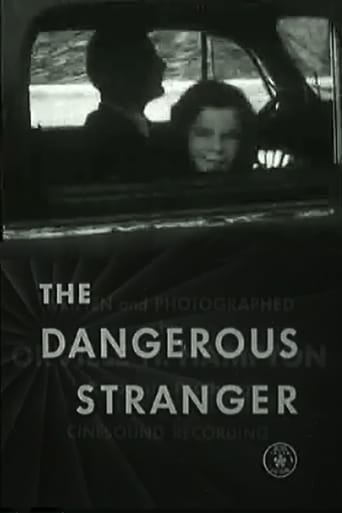
American filmmaker who pioneered the social guidance and educational film genre during the 1950s and early 1960s. After a personal incident where his young daughter was approached by a stranger, Davis was inspired to create his first film 'The Dangerous Stranger' in 1950, which launched his career in educational filmmaking. He established Sid Davis Productions and went on to produce and direct over 150 short films that were shown in schools across America, covering controversial topics such as drug abuse, juvenile delinquency, sexual predators, and homosexuality. His distinctive approach combined melodramatic storytelling with stark warnings about social dangers, creating a unique style that has since become cult classic material. Davis often wrote, directed, and sometimes appeared in his own films, maintaining complete creative control over his productions. Though not part of mainstream Hollywood cinema, his work became an integral part of American educational history and influenced generations of students. His films, while often criticized for their fear-based tactics and outdated social attitudes, remain important cultural artifacts reflecting mid-20th century American values and anxieties.
The Craft
On Screen
As an actor, Davis typically took on authoritative narrator or cameo roles in his own films, delivering lines in a serious, cautionary tone that reinforced the educational message. His acting was deliberately straightforward and lacked nuance, serving the didactic purpose of his films rather than artistic expression.
Behind the Camera
Davis's directing style was characterized by its stark, melodramatic approach to social education, using fear as a primary teaching tool. He employed straightforward camera work, minimal production values, and amateur actors to create a sense of realism that would resonate with student audiences. His pacing was deliberate and his narratives often followed a clear problem-solution structure, always ending with a strong moral lesson or warning.
Milestones
- Founded Sid Davis Productions in 1950
- Created 'The Dangerous Stranger' (1950) as his debut film
- Produced the controversial 'Beware' series including 'Boys Beware' and 'Girls Beware'
- Made over 150 educational films during his career
- Pioneered the social guidance film genre
- Films distributed to schools nationwide reaching millions of students
Best Known For
Iconic Roles
Must-See Films
Accolades
Won
- Educational Film Library Association Award for 'The Dangerous Stranger' (1951)
- National Safety Council Award for traffic safety films
Nominated
- Academy Award nomination for Best Documentary Short Subject (1952)
Special Recognition
- Inducted into the Educational Film Hall of Fame (1978)
- Retrospective at Museum of Modern Art (1995)
Working Relationships
Worked Often With
Studios
Why They Matter
Impact on Culture
Sid Davis's films became cultural touchstones for generations of American students who grew up watching his cautionary tales in classrooms. His work reflected and reinforced mid-20th century American values, fears, and social attitudes, particularly regarding sexuality, drug use, and juvenile delinquency. The films have since been reassessed as important historical documents that reveal the social anxieties and moral panics of post-war America. Davis's approach to educational filmmaking influenced the entire genre, establishing conventions that would be copied and parodied for decades. His controversial handling of topics like homosexuality in 'Boys Beware' has sparked modern discussions about historical attitudes and the evolution of social education.
Lasting Legacy
Sid Davis's legacy endures through the preservation and study of his extensive filmography, which now serves as a valuable resource for understanding American educational and social history. His films have gained cult status and are frequently screened at film festivals and academic conferences. Many of his works have been preserved by archives and are available through educational distributors. Davis pioneered the use of fear-based educational techniques that, while controversial, proved highly effective in capturing student attention. His influence can be seen in later educational media, from after-school specials to modern PSAs. The distinctive aesthetic and moralizing tone of his films continue to inspire filmmakers and artists interested in retro and educational media.
Who They Inspired
Davis influenced subsequent generations of educational filmmakers through his direct, no-nonsense approach to social issues. His work inspired parodies and homages in popular culture, from television shows to independent films. Modern documentary filmmakers have cited Davis's work as an example of how media shapes social attitudes. The cautionary tone and dramatic structure of his films can be seen in later public service announcements and after-school specials. His films have been studied by sociologists and media scholars as examples of mid-century American propaganda and social engineering.
Off Screen
Sid Davis was married and had two children, including a daughter whose encounter with a stranger inspired his filmmaking career. He lived primarily in the Los Angeles area where he operated his production company. Davis was known as a family man who was genuinely concerned with youth safety and education, which motivated his entire filmography. He maintained a low public profile despite the widespread distribution of his films in schools.
Education
Self-taught filmmaker, no formal film education documented
Family
- Marilyn Davis (1940-2006)
Did You Know?
- His filmmaking career began after his daughter was approached by a stranger in a park
- He reportedly made films for as little as $1,000 each
- Many of his films featured actual police officers and emergency personnel
- His films were shot on location in Los Angeles neighborhoods
- Davis often reused the same actors across multiple films
- Some of his films were later featured on Mystery Science Theater 3000
- He continued making films well into the 1970s
- His production company operated out of a small studio in Hollywood
- Many of his films are now in the public domain
- He once claimed his films had been seen by over 100 million students
In Their Own Words
The best way to teach children about danger is to show them exactly what that danger looks like
I'm not making art, I'm making films that might save a child's life
If my films scare one child away from a dangerous situation, they've done their job
Parents can't be everywhere, but these films can
The truth about danger is more frightening than any fiction I could create
Frequently Asked Questions
Who was Sid Davis?
American filmmaker who specialized in creating educational and social guidance films from the 1950s through the 1970s. He is best known for his cautionary tales shown in schools that warned students about various dangers, from strangers to drug abuse. His distinctive, fear-based approach to education made his films both influential and controversial.
What films is Sid Davis best known for?
Titles linked here include The Dangerous Stranger (1950), Boys Beware (1961).
When was Sid Davis born and when did he die?
Born April 1, 1916; died October 16, 2006.
What awards did Sid Davis win?
Davis received the Educational Film Library Association Award for 'The Dangerous Stranger' in 1951 and was nominated for an Academy Award for Best Documentary Short Subject in 1952. He also received recognition from the National Safety Council for his traffic safety films and was later inducted into the Educational Film Hall of Fame in 1978.
What was Sid Davis's directing style?
Davis's directing style was characterized by its straightforward, melodramatic approach using fear as an educational tool. He employed minimal production values, amateur actors, and clear problem-solution narratives that always ended with a strong moral lesson. His technique was deliberately unsophisticated to create a sense of realism that would resonate with student audiences.
Why did Sid Davis start making educational films?
Davis began making educational films after a personal incident where his young daughter was approached by a stranger in a park. This experience motivated him to create 'The Dangerous Stranger' to warn children about potential dangers. The success of this first film led him to establish Sid Davis Productions and devote his career to creating educational content.
How many films did Sid Davis make?
Over his career, Sid Davis produced and directed more than 150 educational short films. These films covered a wide range of topics including safety, drug abuse, juvenile delinquency, and various social issues. His films were distributed to schools across America and were shown to millions of students from the 1950s through the 1970s.