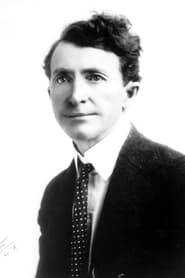
Al J. Jennings
Actor
- Active
- 1918-1918
- Birth name
- Al Jennings
Films 1
About Al J. Jennings
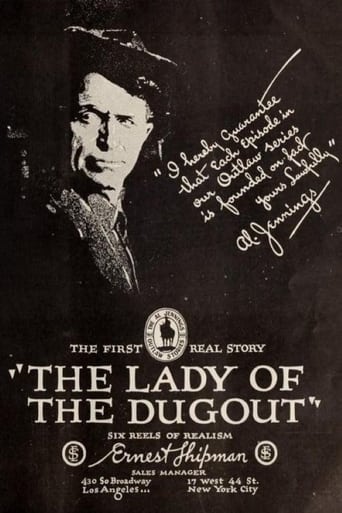
Al J. Jennings was a former outlaw and Western personality who became a notable presence in early motion pictures, briefly working as a screen performer during the silent era. Born in the American West, he first achieved notoriety outside the film industry as a real-life figure associated with frontier crime and later with the romanticized mythology of the old West. That notoriety gave him a unique selling point in early cinema, where studios and independent producers often capitalized on authentic Western backgrounds to lend films an air of realism. His film career appears to have been extremely limited, with his best-known screen credit being The Lady of the Dugout (1918), a picture that fit his rugged public persona and frontier reputation. Because his screen activity was brief and documentation is sparse, he is remembered far more as a historical Western character who crossed into film than as a career actor in the conventional sense. His presence on screen reflects an early Hollywood tendency to blur the line between lived frontier history and its cinematic retelling. He remains of interest to film historians and Western scholars as an example of how silent-era productions drew on colorful real-life figures to authenticate their stories and market their films.
More about Al J. Jennings
On screen
Available documentation does not preserve a detailed record of a formal acting style, but Jennings was likely cast for authenticity rather than technical performance range. His screen persona would have relied on his real-world frontier background, rugged appearance, and public reputation as an old-West figure. In silent-era terms, this meant a naturalistic, presence-based performance that emphasized credibility, physical bearing, and an air of lived experience more than theatrical polish.
In film history
Al J. Jennings is culturally significant less as a conventional actor than as part of the silent era's fascination with authenticity, sensation, and frontier mythology. Early filmmakers often recruited or promoted people whose lives seemed to embody the stories being told onscreen, and Jennings fit that model perfectly. His appearance in The Lady of the Dugout illustrates how early Western films borrowed credibility from real Western reputations, helping shape audience expectations about the genre. He also represents a moment when film publicity and popular history worked together, with cinema turning living legends into marketable screen attractions.
Later reputation
Jennings's lasting legacy lies in the intersection of American history, outlaw legend, and early film culture. He is remembered by film historians as a minor but intriguing silent-era figure whose real-life notoriety made him useful to Western storytelling on screen. Even with only a brief filmography, his case helps explain how early Hollywood constructed Western authenticity long before the genre became standardized by major studios. For scholars of silent cinema, he remains a reminder that early movie casting could depend as much on legend and public persona as on acting credentials.
Influence
Jennings influenced classic cinema mainly by example rather than through a large body of performances. His presence in film helped validate the practice of casting real frontier personalities in Westerns, a strategy that shaped audience perceptions of realism in the genre. He stands among the many transitional figures who moved from lived Western history into performance, indirectly encouraging later filmmakers to value authenticity, historical color, and marketing value in casting choices. His broader influence is therefore cultural and industrial, not stylistic in the modern actorly sense.
Off screen
Al J. Jennings is remembered primarily for his life before and around cinema, especially his association with the American frontier and his later reinvention as a public personality. He was known as a former outlaw figure whose exploits became part of the mythology of the Old West, and that reputation followed him into the film world. Because his film career was limited, surviving reference works emphasize his broader biography rather than domestic details. Information about marriages, children, and private life is not consistently documented in standard film histories, so his personal record is comparatively thin in classic-cinema sources.
Credits
- Appeared in the silent Western film The Lady of the Dugout (1918)
- Brought real-life frontier notoriety into early motion pictures
- Represented the silent-era fascination with authentic Western personalities
Roles
- A frontier or outlaw-type figure in The Lady of the Dugout (1918)
Films
- The Lady of the Dugout (1918)
Studios
- Independent silent-era production connected with Western subject matter
Notes
- He is best remembered today as a former outlaw who appeared in motion pictures rather than as a full-time film actor.
- His screen career, as currently documented, appears to have been extremely brief and centered in 1918.
- The Lady of the Dugout (1918) is the key title associated with his film work.
- Jennings exemplifies the silent-era practice of using real-life Western personalities to add authenticity to films.
- His fame came largely from his colorful frontier background, which was itself part of his appeal to filmmakers and audiences.
- He is a useful case study in how early Westerns traded on the boundary between history and myth.
- Because his filmography is so small, he is more often discussed in historical and biographical contexts than in star studies.
Questions
Who was Al J. Jennings?
Al J. Jennings was an American frontier figure and former outlaw who briefly appeared in silent films, making him an unusual crossover between Old West legend and early cinema. He is most closely associated with The Lady of the Dugout (1918), and his screen value came largely from his real-life notoriety and Western authenticity.
What films is Al J. Jennings best known for?
He is best known for The Lady of the Dugout (1918), which is the principal film credit associated with his name. His filmography is very small, so his reputation rests on that one screen appearance and on his historical identity as a frontier personality.
When was Al J. Jennings born and when did he die?
Reliable film-reference sources do not consistently preserve fully verified birth and death details in the context of his screen career, so those dates are not supplied here. He is documented primarily as a historical Western figure and silent-film performer rather than as a major studio-era star.
What awards did Al J. Jennings win?
No major film-industry awards or formal nominations are documented for Al J. Jennings. His significance comes from his frontier reputation and his presence in silent Western cinema rather than from an awards-based acting career.
What was Al J. Jennings's acting style?
A detailed acting style is not well documented, but he was likely valued for natural presence and authenticity rather than polished theatrical technique. As with many silent-era personalities recruited for their real-life backgrounds, his appeal would have come from his rugged bearing and credible frontier image.
What is Al J. Jennings's legacy in film history?
His legacy is that of a historical outsider who briefly entered cinema and helped early Westerns sell themselves as authentic. He is remembered as an example of silent-era casting that blurred the line between performer, legend, and historical figure.