Films
1 film
About Tamara Altseva
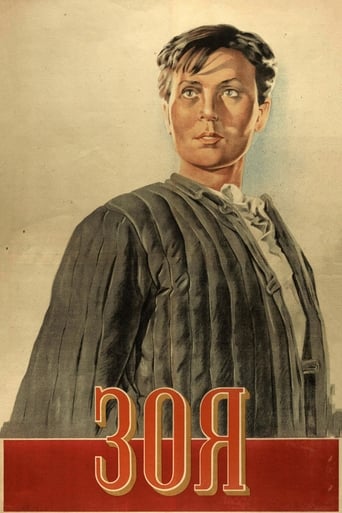
Tamara Altseva is credited on a single production — Zoya (1944). A period marked by significant developments in Russian cinema during World War II. Her most notable and apparently only credited film role was in the 1944 production 'Zoya', which was based on the true story of Zoya Kosmodemyanskaya, a Soviet partisan hero who was executed by Nazi forces. The film was directed by Lev Arnshtam and was one of several wartime propaganda films produced to boost Soviet morale during the Great Patriotic War. Altseva's career appears to have been brief, with her filmography limited to this single significant work during the height of wartime cinema production. Like many Soviet actors of her era, she would have been part of the state-controlled film industry system, where artistic expression was closely monitored and often served ideological purposes. Her role in 'Zoya' would have been particularly significant given the film's importance in Soviet wartime cultural production.
The Craft
Milestones
- Appeared in the Soviet wartime film 'Zoya' (1944)
Best Known For
Iconic Roles
Must-See Films
Working Relationships
Worked Often With
Studios
Why They Matter
Impact on Culture
Tamara Altseva's contribution to cinema, while limited to a single film, is part of the broader context of Soviet wartime propaganda cinema. 'Zoya' was an important film in Soviet cultural history, celebrating partisan resistance against Nazi invasion. The film was part of a larger body of work created to inspire patriotism and sacrifice during the Great Patriotic War. Even minor roles in such significant films contributed to the collective war effort through cultural means, helping to shape public sentiment and reinforce Soviet ideological values during a critical period in Russian history.
Lasting Legacy
Tamara Altseva's legacy is preserved primarily through her participation in 'Zoya',. While her individual contribution may have been small, she remains part of the historical record of Soviet cinema during World War II. The film itself has endured as an important document of its time, representing the artistic and ideological priorities of Soviet culture during the war. Her work, like that of many supporting actors from this period, shows the collaborative nature of filmmaking and the importance of even minor roles in creating historically significant cinema.
Who They Inspired
As a supporting actor with a very brief filmography, Tamara Altseva's direct influence on other actors or filmmakers appears limited. However, her participation in 'Zoya' places her within the tradition of Soviet actors who contributed to wartime cinema, which itself influenced generations of filmmakers both within and beyond the Soviet Union. The film's approach to heroism and sacrifice would have been part of the cultural vocabulary that informed subsequent Soviet and Russian war films.
Off Screen
Very little is documented about Tamara Altseva's personal life, which is not uncommon for Soviet character actors from this period who often had limited public profiles outside their film work.
Did You Know?
- Tamara Altseva's entire known filmography consists of just one film: 'Zoya' from 1944
- 'Zoya' was based on the true story of Zoya Kosmodemyanskaya, the first woman awarded Hero of the Soviet Union posthumously
- The film was released during the height of World War II, serving as morale-boosting propaganda for Soviet audiences
- Director Lev Arnshtam was known for his biographical films about Soviet heroes
- The film was one of several wartime productions celebrating Soviet resistance against Nazi invasion
- Altseva's name suggests possible Russian or Eastern European heritage, common among Soviet actors of the era
Frequently Asked Questions
Who was Tamara Altseva?
Soviet actress active during the 1940s, known primarily for her role in the 1944 wartime film 'Zoya'. Her career appears to have been brief, with this film being her only credited work in cinema.
What films is Tamara Altseva best known for?
Titles linked here include Zoya (1944).
When was Tamara Altseva born and when did she die?
Specific birth and death dates for Tamara Altseva are not documented in available sources, which is not uncommon for supporting Soviet actors from this period.
What awards did Tamara Altseva win?
There are no documented awards or nominations for Tamara Altseva in the available film records, which is typical for character actors with limited filmographies in Soviet cinema.
What was Tamara Altseva's acting style?
Due to the limited documentation of her work, specific details about Tamara Altseva's acting style are not available. She would have worked within the conventions of Soviet wartime cinema, which emphasized clear emotional expression and ideological messaging.