Films
1 film
About Monica Bannister
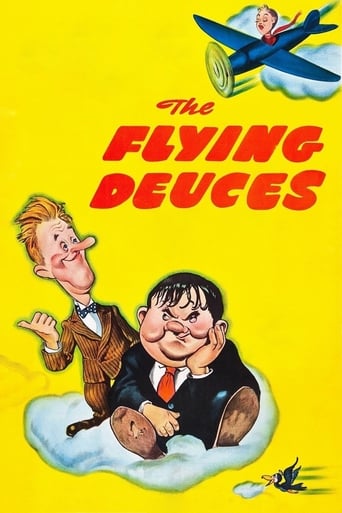
The 1939 film The Flying Deuces is the only title linked here for Monica Bannister. She is best known for her role in the classic Laurel and Hardy comedy 'The Flying Deuces,' where she played one of the female supporting characters alongside the comedy duo. While her film career was exceptionally brief, consisting of only this one known appearance, she contributed to what would become one of Laurel and Hardy's most beloved and frequently viewed films. Like many supporting actors of the era, Bannister's performance helped create the rich ensemble that made these comedies so successful. Her appearance in 'The Flying Deuces' represents her entire known filmography, making her a fascinating example of the many talented performers who had fleeting moments in Hollywood history. Despite the brevity of her career, her work has been preserved for generations through the continued popularity of Laurel and Hardy's films.
The Craft
Milestones
- Appeared in 'The Flying Deuces' (1939) with Laurel and Hardy
Best Known For
Iconic Roles
Must-See Films
Working Relationships
Worked Often With
Studios
Why They Matter
Impact on Culture
Monica Bannister's cultural impact is tied directly to her participation in 'The Flying Deuces,' one of Laurel and Hardy's most enduring and beloved films. While she played a supporting role, her contribution helped create the comedic atmosphere that has entertained audiences for decades. The film itself has become a cultural touchstone of classic comedy, frequently broadcast on television and preserved in film archives, ensuring that Bannister's work continues to be seen by new generations of classic film enthusiasts. Her presence in the film represents the collective contribution of countless supporting actors who were essential to the success of Hollywood's Golden Age productions, even when their individual careers were brief.
Lasting Legacy
Monica Bannister's legacy is that of a classic Hollywood supporting actress whose work has been preserved through the enduring popularity of 'The Flying Deuces.' While her career was exceptionally brief, her contribution to one of Laurel and Hardy's most famous films ensures she has a permanent place in film history. She represents the many talented actors who appeared in classic films but had limited careers, serving as a reminder of the vast ensemble of performers who contributed to Hollywood's Golden Age. Her legacy lives on through continued screenings of 'The Flying Deuces' and the appreciation of classic comedy fans who recognize the importance of every performer in creating memorable films.
Who They Inspired
Due to her brief career, Monica Bannister's direct influence on other actors or filmmakers is not documented. However, as part of the ensemble in a classic Laurel and Hardy film, she contributed to the comedic traditions that have influenced generations of comedy performers. The film itself has been studied by comedy scholars and appreciated by comedians who have drawn inspiration from Laurel and Hardy's work, indirectly extending Bannister's influence through the film's continued cultural relevance.
Off Screen
Very little is documented about Monica Bannister's personal life, which is not uncommon for actors who had brief careers in supporting roles during Hollywood's Golden Age. Her limited filmography suggests she may have been primarily focused on other pursuits outside of acting, or she may have been one of the many talented performers who struggled to find consistent work in the competitive Hollywood studio system of the late 1930s.
Did You Know?
- Monica Bannister's entire known filmography consists of just one film: 'The Flying Deuces' (1939)
- She worked with the legendary comedy duo Laurel and Hardy during their most successful period
- 'The Flying Deuces' was produced by Hal Roach Studios, famous for comedy productions
- The film features the famous song 'Shine On Harvest Moon' performed by Laurel and Hardy
- Despite her brief career, her film has been preserved and is widely available for viewing today
- Many supporting actors from this era had similar brief careers due to the competitive nature of Hollywood
- The Flying Deuces was one of the few Laurel and Hardy films produced outside of their usual MGM contract
- Her exact role in the film is part of what made the ensemble comedy work so effectively
Frequently Asked Questions
Who was Monica Bannister?
American actress who had a brief career in 1939, appearing exclusively in the Laurel and Hardy comedy film 'The Flying Deuces.' She played a supporting role in what would become one of the comedy duo's most beloved films.
What films is Monica Bannister best known for?
Titles linked here include The Flying Deuces (1939).
When was Monica Bannister born and when did she die?
Unfortunately, detailed biographical information about Monica Bannister's birth and death dates is not publicly available, which is not uncommon for actors who had very brief careers in supporting roles during Hollywood's Golden Age.
What awards did Monica Bannister win?
There are no documented awards or nominations for Monica Bannister, which is typical for many supporting actors of the era who had brief careers or appeared in only a few films.
What was Monica Bannister's acting style?
Specific details about Monica Bannister's acting style are not well-documented, but as a supporting actress in a Laurel and Hardy comedy, she would have contributed to the ensemble performance that made their films so successful during Hollywood's Golden Age.