Films
1 film
About Frank Martin
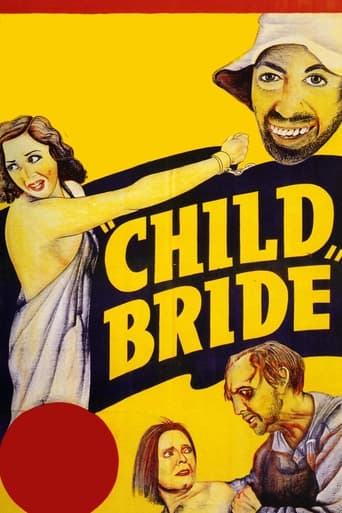
Frank Martin is credited on a single production — Child Bride (1942). Known primarily for his role in the controversial exploitation film 'Child Bride' (1942). Very little documentation exists about his broader career or personal background, suggesting he was likely a bit player or character actor who worked primarily in smaller, independent productions outside the major Hollywood studio system. His single known film credit places him within the context of exploitation cinema, which flourished during this period by tackling taboo subjects that mainstream films avoided. The film 'Child Bride' was notable for its shocking theme of child marriage in rural Appalachian communities, though it was marketed as an educational film to circumvent censorship restrictions. Martin's participation in this type of production was typical of many actors who worked on the fringes of the film industry during the Golden Age of Hollywood. His brief appearance in cinema history represents the countless minor performers who contributed to the American film during this era.
The Craft
Milestones
- Appeared in the controversial exploitation film 'Child Bride' (1942)
Best Known For
Must-See Films
Why They Matter
Impact on Culture
Frank Martin's cultural impact is primarily contextual, representing the numerous anonymous actors who populated exploitation films of the early 1940s. His participation in 'Child Bride' places him within the history of American cinema's underground movement that pushed social boundaries and challenged censorship restrictions. While his individual contribution was minimal, he was part of a film genre that addressed controversial social issues years before mainstream Hollywood would tackle similar subjects.
Lasting Legacy
Frank Martin's legacy is intrinsically tied to 'Child Bride' (1942), a film that has gained historical significance as an example of exploitation cinema and its role in American film history. The movie has become a cult classic among film historians and enthusiasts of taboo cinema, with Martin serving as a representative of the countless performers who made these controversial productions possible. His brief career illustrates the transient nature of many acting careers in early Hollywood, particularly for those working outside the major studio system.
Who They Inspired
Due to his extremely limited filmography and minor status within the industry, Frank Martin's direct influence on other actors or filmmakers is not documented. However, his participation in exploitation cinema contributed to a genre that would later influence more mainstream filmmakers in addressing controversial social subjects.
Off Screen
Extremely limited information is available about Frank Martin's personal life, as he appears to have had a very brief and undocumented career in the film industry. Like many actors who worked in exploitation cinema during this period, detailed biographical records were not maintained, and he likely returned to other professions after his brief foray into acting.
Did You Know?
- Frank Martin's only known film credit is 'Child Bride' (1942), making him a one-film actor
- 'Child Bride' was an exploitation film that controversially featured a nude scene of a 12-year-old actress
- The film was originally titled 'Child Bride of Short Creek' before being shortened
- Exploitation films like 'Child Bride' were often shown in roadshow theaters and grindhouses
- The film was marketed as educational to avoid censorship issues with its controversial subject matter
- Despite its low budget and unknown cast, 'Child Bride' has survived as a historical artifact of exploitation cinema
- The film was directed by Harry Revier, who specialized in exploitation films during the 1930s and 1940s
- Many actors in exploitation films used pseudonyms, making it difficult to track their careers
- The film was later featured on Mystery Science Theater 3000, bringing it to a new audience
- Exploitation cinema of this era often addressed social issues like drug abuse, prostitution, and in this case, child marriage
Frequently Asked Questions
Who was Frank Martin?
American with credits in this catalog. He appears to have had a very brief acting career with only one documented film credit, typical of many performers who worked in independent and exploitation cinema during this period.
What films is Frank Martin best known for?
Titles linked here include Child Bride (1942).
When was Frank Martin born and when did he die?
Specific birth and death dates for Frank Martin are not documented in available historical records. Like many minor actors from the exploitation film era, detailed biographical information was not preserved, making it difficult to trace his life beyond his brief film appearance.
What awards did Frank Martin win?
Frank Martin did not receive any documented awards or nominations for his work. This is consistent with his status as a minor actor in a low-budget exploitation film, which typically operated outside the mainstream award systems and recognition of Hollywood's Golden Age.
What was Frank Martin's acting style?
Due to the limited documentation of his work and only one known film credit, Frank Martin's specific acting style and techniques are not well-documented in film history. His performance in 'Child Bride' would have been typical of the naturalistic style often found in exploitation films of the era.
Why is 'Child Bride' historically significant?
'Child Bride' is historically significant as an example of early exploitation cinema that tackled controversial social issues decades before mainstream Hollywood. The film has gained cult status and is studied by film historians for its role in pushing censorship boundaries and addressing taboo subjects in American cinema.