Christian Schrøder
Actor
Born: July 13, 1869 in Copenhagen, Denmark Died: December 10, 1940 Active: 1913-1927
Films
2 films
About Christian Schrøder
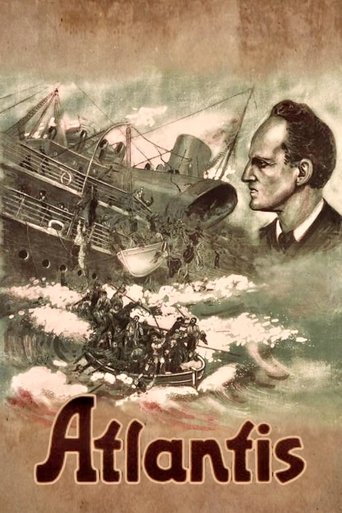
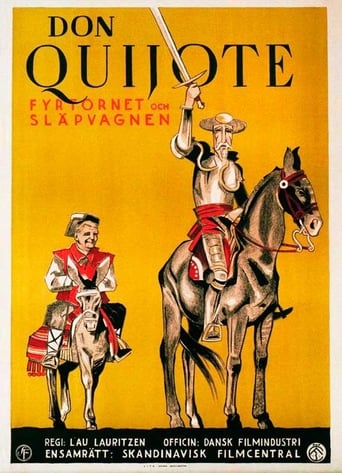
Made significant contributions to the early Scandinavian film industry during the silent era. Born in Copenhagen in 1869, he began his career on the Danish stage before transitioning to the burgeoning medium of cinema in the early 1910s. Schrøder gained international recognition for his role in August Blom's film 'Atlantis' (1913), which was one of the first Danish feature films to achieve worldwide distribution and critical acclaim. Throughout his film career, which spanned from 1913 to 1927, he appeared in numerous Danish and Scandinavian productions, often portraying authoritative or paternal figures. His performance in the 1927 adaptation of 'Don Quixote' showcased his ability to handle complex characterizations in the silent film format. Schrøder was part of the golden generation of Danish actors who helped establish Denmark as a major force in early European cinema. He continued acting until the transition to sound films began, after which he largely retired from the screen. His career bridged the gap between theatrical traditions and the new art form of cinema, making him an important figure in the development of Danish film culture.
The Craft
On Screen
Schrøder's acting style was rooted in the theatrical traditions of the 19th century, characterized by expressive gestures and dramatic facial expressions typical of the silent era. His stage background provided him with a strong foundation in character development, which he successfully adapted to the new medium of cinema. He was known for his ability to convey complex emotions through subtle movements and his commanding screen presence, particularly in roles requiring gravitas and authority.
Milestones
- Breakthrough role in 'Atlantis' (1913)
- International recognition in early Danish cinema
- Leading role in 'Don Quixote' (1927)
- work in silent film era
- Contributions to establishing Danish film industry
Best Known For
Iconic Roles
Must-See Films
Accolades
Special Recognition
- Recognized as a pioneer of Danish cinema
- Honored in Danish film history archives
Working Relationships
Worked Often With
Studios
Why They Matter
Impact on Culture
Christian Schrøder played a significant role in establishing Denmark as a major force in early European cinema during the silent era. His work in 'Atlantis' helped demonstrate that Danish films could compete internationally, contributing to the country's reputation for quality filmmaking in the 1910s. Schrøder was part of the generation of actors who successfully transitioned from traditional theater to the new medium of cinema, helping to develop acting techniques specifically suited for silent films. His performances helped establish conventions for dramatic acting in Scandinavian cinema that would influence subsequent generations of actors. The international success of films featuring Schrøder helped put Danish cinema on the global map and contributed to the cultural exchange between European film industries.
Lasting Legacy
Christian Schrøder's legacy is preserved in the archives of Danish film history as one of the actors who helped shape the nation's early cinema. His work in films like 'Atlantis' remains significant for film historians studying the development of narrative cinema and the international film trade in the early 20th century. Schrøder represents the important bridge between theatrical performance traditions and the emerging art of cinema, embodying the transition period when acting techniques were being adapted for the screen. His contributions to Danish cinema are remembered alongside other pioneers who established the country's reputation for quality filmmaking. While many of his films have been lost to time, those that survive continue to be studied by scholars interested in the evolution of acting styles and the development of Scandinavian cinema.
Who They Inspired
Schrøder influenced subsequent generations of Danish actors by demonstrating how theatrical training could be effectively adapted for the screen. His work in international co-productions helped establish precedents for Danish actors working in global film markets. The techniques he developed for conveying emotion without dialogue influenced the broader development of silent film acting across Scandinavia. His success helped prove that Danish actors could achieve international recognition, encouraging others in the Danish film industry to pursue careers beyond national borders. Schrøder's approach to character development and screen presence became part of the foundation for Danish acting traditions in cinema.
Off Screen
Christian Schrøder was born and raised in Copenhagen, Denmark, during a period of significant cultural and artistic development in the country. He came from a middle-class family and received his education in Copenhagen before pursuing a career in the performing arts. Schrøder was married and had children, though specific details about his family life remain largely undocumented in historical records. His transition from stage to film coincided with the golden age of Danish cinema, and he became part of the close-knit community of Danish filmmakers and actors who pioneered the medium. He spent his later years in Copenhagen, witnessing the transformation of cinema from silent films to talkies before his death in 1940.
Education
Educated in Copenhagen, Denmark; likely received theatrical training in the late 19th century
Did You Know?
- 'Atlantis' (1913) was one of the first Danish films to achieve international distribution and success
- Christian Schrøder was already in his 40s when he began his film career
- He worked primarily with Nordisk Film, Denmark's oldest film studio
- Many of his films have been lost over time, a common fate for early cinema
- His active years covered the entire golden age of Danish silent cinema
- Schrøder was part of the first generation of Danish stage actors to successfully transition to film
- The film 'Atlantis' was controversial in some countries due to its themes
- He appeared in films during both World War I and the period leading up to World War II
- His role in 'Don Quixote' was one of his last major film appearances
- Schrøder witnessed the complete transition from silent films to sound technology during his lifetime
Frequently Asked Questions
Who was Christian Schrøder?
Danish with credits in this catalog. He was part of the first generation of Danish actors to successfully transition from stage to film and helped establish Denmark's reputation in early international cinema.
What films is Christian Schrøder best known for?
Titles linked here include Atlantis (1913), Don Quixote (1927).
When was Christian Schrøder born and when did he die?
Born July 13, 1869; died December 10, 1940.
What awards did Christian Schrøder win?
Christian Schrøder worked during the early silent era before many formal film awards were established. While he didn't receive major awards during his lifetime, he is recognized today as a pioneer of Danish cinema and is honored in Danish film history archives for his contributions to the industry.
What was Christian Schrøder's acting style?
Schrøder's acting style was rooted in 19th-century theatrical traditions, characterized by expressive gestures and dramatic facial expressions typical of silent films. His stage background gave him strong character development skills, which he adapted successfully for cinema, creating commanding screen presence and emotional depth through physical performance.