
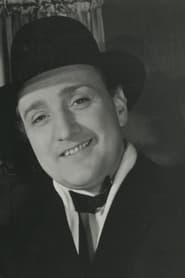
Arne Weel
Actor
Born: January 15, 1891 in Copenhagen, Denmark Died: October 8, 1975 Active: 1910-1915
Films
2 films
About Arne Weel
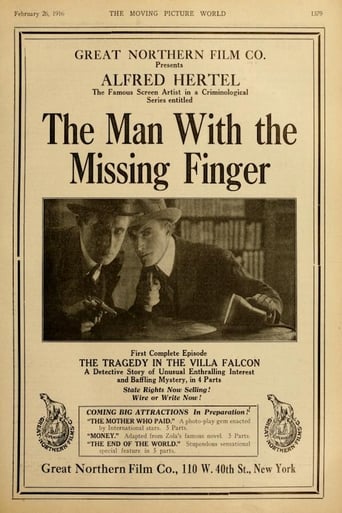
Danish actor who emerged during the years of Scandinavian cinema in the early 1910s. His career, though brief, coincided with the golden age of Danish silent film when the country was producing some of Europe's most innovative and artistically significant motion pictures. Weel appeared in several notable productions during this period, including the influential film 'The Abyss' (1910), which was directed by Urban Gad and starred Asta Nielsen, one of the era's most celebrated actresses. His performance in 'The Man with the Missing Finger' (1915) demonstrated his ability to work within the dramatic conventions of early cinema, where actors needed to convey emotion primarily through physical expression rather than dialogue. Weel was part of the first generation of film actors who transitioned from stage performances to the new medium of motion pictures, adapting their theatrical techniques to suit the camera's intimate perspective. His career appears to have concluded around 1915, as was common for many early film actors who either returned to theater or left the industry as cinema evolved into a more specialized profession. While his filmography was limited, Weel contributed to the foundation of Danish cinema during its formative years when the nation was establishing itself as a major force in international film production.
The Craft
On Screen
Typical of early silent film actors, Weel employed exaggerated gestures and facial expressions to convey emotion to audiences, adapting theatrical techniques for the camera's intimate perspective. His performances reflected the transitional period between stage acting and the more subtle film acting techniques that would develop in later years.
Milestones
- Appeared in 'The Abyss' (1910),
- Worked during the golden age of Danish silent cinema
- Participated in the era of European film production
- Collaborated with prominent Danish filmmakers of the period
Best Known For
Iconic Roles
Must-See Films
Working Relationships
Worked Often With
Studios
Why They Matter
Impact on Culture
Arne Weel was part of the foundational generation of Danish cinema during a period when Denmark was producing some of Europe's most innovative and influential films. His participation in early productions like 'The Abyss' contributed to the development of cinematic language and storytelling techniques that would influence filmmakers worldwide. Danish cinema of this era was known for its technical sophistication and psychological depth, and actors like Weel helped establish the conventions of film acting that would evolve throughout the silent era.
Lasting Legacy
While not widely remembered today, Arne Weel represents the countless actors who contributed to cinema's development during its formative years. His work in early Danish films helped establish the foundation for Scandinavian cinema's reputation for artistic excellence and innovation. The films he appeared in, particularly 'The Abyss,' are studied by film historians as important examples of early cinematic art and remain significant artifacts from the era of European film.
Who They Inspired
As an early film actor, Weel was part of the generation that developed the techniques of screen acting that would be refined and expanded by subsequent performers. His work during this transitional period helped establish the vocabulary of film performance that would influence generations of actors to come.
Off Screen
Arne Weel lived through the dramatic transformation of cinema from its primitive beginnings to the sophisticated art form it would become. His active years covered only five years, after which he appears to have left the film industry, possibly returning to theatrical work or pursuing other professional interests. He witnessed firsthand the evolution of film as a medium and the emergence of movie stars as cultural icons.
Education
Likely received theatrical training common for actors of his era, though specific educational details are not documented in available sources.
Did You Know?
- Appeared in 'The Abyss' (1910), which featured one of cinema's earliest nude scenes and caused considerable controversy
- Worked during Denmark's golden age of silent film when the country was a major international film producer
- His active years covered only five years, typical for many early film actors
- Participated in films that helped establish Denmark as a leader in early European cinema
- Worked with Asta Nielsen, who became one of the first international film stars
- Appeared in films during the transitional period when cinema was evolving from novelty to art form
- His film work coincided with the development of feature-length narrative films
Frequently Asked Questions
Who was Arne Weel?
Danish with credits in this catalog. He appeared in several notable Danish productions during the country's golden age of cinema, including 'The Abyss' (1910).
What films is Arne Weel best known for?
Titles linked here include The Abyss (1910), The Man with the Missing Finger (1915).
When was Arne Weel born and when did he die?
Born January 15, 1891; died October 8, 1975.
What awards did Arne Weel win?
There are no documented awards or honors for Arne Weel, which was common for actors during the very early years of cinema when formal award systems had not yet been established.
What was Arne Weel's acting style?
Weel's acting style was typical of early silent film performers, employing exaggerated gestures and facial expressions to convey emotion. His technique reflected the transitional period between theatrical acting and the more subtle film acting methods that would develop in later years.