Films
1 film
About Raymond Cannon
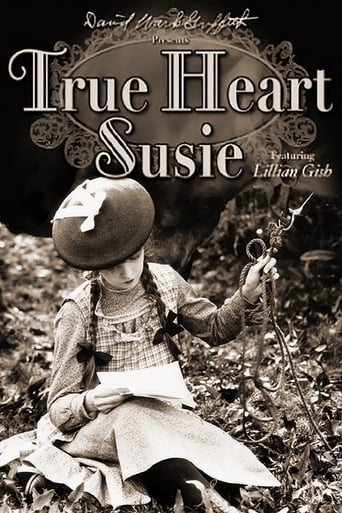
Silent film actor who had a brief but notable career during the late 1910s. He is best remembered for his appearance in D.W. Griffith's acclaimed 1919 drama 'True Heart Susie,' where he played a supporting role alongside stars Lillian Gish and Robert Harron. His performance in this film, though small, was part of one of Griffith's most sensitive and artistic works of the period. Cannon's career appears to have been concentrated primarily around 1919, coinciding with the height of the silent era's artistic achievements. Like many supporting actors of the time, he contributed to the ensemble casts that made early Hollywood productions so memorable. His work during this period reflected the theatrical style of silent film acting, with exaggerated gestures and expressions necessary to convey emotion without dialogue. Unfortunately, detailed records of his complete filmography and career trajectory are limited, as was common for many character actors of this era.
The Craft
On Screen
Typical of the silent era, Cannon's acting style would have featured the exaggerated gestures, facial expressions, and body language necessary to convey emotion and story without dialogue. His performance in 'True Heart Susie' would have followed Griffith's naturalistic direction, which was more subtle than many contemporary films but still required the heightened physicality characteristic of silent cinema.
Milestones
- Appeared in D.W. Griffith's 'True Heart Susie' (1919)
- Worked during the peak of silent film artistry
Best Known For
Iconic Roles
Must-See Films
Working Relationships
Worked Often With
Studios
Why They Matter
Impact on Culture
Raymond Cannon's contribution to cinema, while limited in scope, is part of the broader tapestry of silent film history. His appearance in 'True Heart Susie' places him within one of D.W. Griffith's most artistically significant works, a film that represents the maturation of American cinema from its early primitive forms to more sophisticated storytelling. Though his role was small, he participated in a film that helped establish the emotional depth and technical sophistication that would define Hollywood's Golden Age.
Lasting Legacy
Raymond Cannon's legacy is primarily tied to his participation in 'True Heart Susie,' a film that remains an important example of D.W. Griffith's more mature and sensitive work. While he did not achieve the lasting fame of leading actors like Lillian Gish, his contribution to this significant silent film ensures his place in cinema history, however minor. His story represents the thousands of supporting actors who helped build the foundation of American film industry during its formative years.
Who They Inspired
As a brief-career supporting actor, Raymond Cannon's direct influence on subsequent generations of performers is difficult to trace. However, his work in Griffith's films contributed to the evolving language of cinema that would influence all future filmmakers and actors. The ensemble nature of early film production meant that even smaller performances helped establish the collaborative art form that cinema would become.
Off Screen
Very limited information is available about Raymond Cannon's personal life, which was common for many supporting actors of the silent era who did not achieve major stardom. Like many character actors of the period, his life story remains largely undocumented in film history sources.
Did You Know?
- Appeared in 'True Heart Susie' during the same year that D.W. Griffith also directed 'Broken Blossoms' and 'The Greatest Question'
- Worked during the transitional period when American cinema was moving from short films to feature-length productions
- His film career appears to have been concentrated in a single year, making him one of the many actors with very brief film careers
- Participated in what many consider Griffith's most emotionally nuanced period of filmmaking
- Like many silent era actors, his career coincided with the rise of the star system but did not result in lasting fame
Frequently Asked Questions
Who was Raymond Cannon?
Silent film with credits in this catalog.W. Griffith's acclaimed drama 'True Heart Susie.' His career appears to have been brief, concentrated primarily in that single year during the height of the silent era.
What films is Raymond Cannon best known for?
Titles linked here include True Heart Susie (1919).
When was Raymond Cannon born and when did he die?
Unfortunately, specific birth and death dates for Raymond Cannon are not readily available in historical records, which is common for many supporting actors from the silent era who did not achieve major stardom.
What awards did Raymond Cannon win?
There are no documented awards or nominations for Raymond Cannon, which was typical for many character actors of the silent era, as the major award systems were not yet established during his brief career.
What was Raymond Cannon's acting style?
Cannon's acting style would have been typical of the silent era, featuring the exaggerated gestures and facial expressions necessary to convey emotion without dialogue. His work in Griffith's films likely reflected the director's move toward more naturalistic performances.
Did Raymond Cannon work with other famous actors?
Yes, Raymond Cannon worked with some of the biggest names of the silent era, including Lillian Gish and Robert Harron in 'True Heart Susie,' under the direction of the legendary D.W. Griffith.
Why is so little known about Raymond Cannon?
Limited information about Raymond Cannon is typical of many supporting actors from the silent era who did not achieve lasting fame. Film industry records from this period were often incomplete for character actors, and many careers were brief and undocumented.