Films
1 film
About Majid Majidi
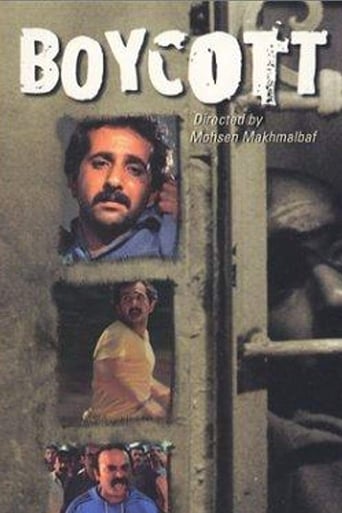
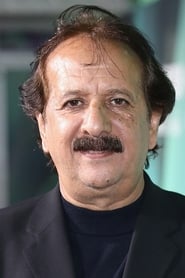
Majid Majidi is one of Iran's most acclaimed contemporary filmmakers, though he began his career with a brief acting appearance in Mohsen Makhmalbaf's 'Boycott' (1985). Born in 1959 in Tehran, Majidi initially studied at the Institute of Dramatic Arts in Tehran before transitioning from acting to directing. His directorial debut came with 'Baduk' (1992), which garnered international attention and set the stage for his distinctive cinematic voice focusing on children and marginalized communities. Majidi achieved worldwide recognition with 'Children of Heaven' (1997), which became the first Iranian film nominated for the Academy Award for Best Foreign Language Film. He continued his success with critically acclaimed works like 'The Color of Paradise' (1999), 'Baran' (2001), and 'The Song of Sparrows' (2008). Known for his poetic visual style and humanistic storytelling, Majidi has become a cultural ambassador for Iranian cinema, bringing stories of ordinary people to global audiences. His films consistently explore themes of innocence, resilience, and spiritual redemption, earning him numerous international awards and establishing him excelled in contemporary world cinema.
The Craft
On Screen
While primarily known as a director, Majidi's brief acting career was characterized by naturalistic performances rooted in social realism, typical of Iranian New Wave cinema of the 1980s.
Milestones
- Acting debut in 'Boycott' (1985)
- Directorial debut with 'Baduk' (1992)
- Academy Award nomination for 'Children of Heaven' (1998)
- Grand Prix des Amériques at Montreal for 'The Color of Paradise' (1999)
- UNICEF Award for 'Baran' (2001)
- Golden Bear nomination at Berlin for 'The Song of Sparrows' (2008)
- First Iranian director to work with Bollywood in 'Beyond the Clouds' (2017)
Best Known For
Iconic Roles
Must-See Films
Accolades
Won
- Academy Award nomination for Best Foreign Language Film (1999)
- Grand Prix des Amériques at Montreal World Film Festival (1999)
- UNICEF Award at Venice Film Festival (2001)
- Best Director at Fajr International Film Festival (multiple years)
- Asia Pacific Screen Award for Best Feature Film (2008)
- Crystal Simorgh for Best Film (multiple awards)
Nominated
- Academy Award nomination for Best Foreign Language Film for 'Children of Heaven' (1999)
- Golden Bear nomination at Berlin International Film Festival for 'The Song of Sparrows' (2008)
- Golden Lion nomination at Venice Film Festival for 'Baran' (2001)
- BAFTA nomination for 'Children of Heaven' (1999)
Special Recognition
- Knight of the Order of Arts and Letters (France, 2014)
- Lifetime Achievement Award at International Film Festival of Kerala (2017)
- Tribute at International Film Festival of India (2015)
- Honorary Doctorate from University of Tehran (2018)
Working Relationships
Worked Often With
Studios
Why They Matter
Impact on Culture
Majid Majidi revolutionized international perceptions of Iranian cinema through his humanistic storytelling and universal themes. His films bridged cultural divides, bringing Iranian stories to global audiences and demonstrating the power of cinema to transcend political and religious barriers. 'Children of Heaven' particularly broke new ground as the first Iranian film to achieve mainstream international success, paving the way for other Iranian directors. His focus on children's perspectives and marginalized voices has influenced a generation of filmmakers worldwide, while his spiritual approach to storytelling has offered an alternative to Western narrative traditions.
Lasting Legacy
Majidi's legacy encompasses both his artistic achievements and his role as a cultural ambassador for Iran. He has established a unique cinematic language that combines social realism with poetic transcendence, creating films that are both culturally specific and universally resonant. His work has inspired countless filmmakers to explore themes of innocence, spirituality, and human dignity. Beyond his films, Majidi has contributed to film education and has been instrumental in developing Iran's independent film infrastructure. His success has demonstrated that films rooted in local culture and values can achieve global recognition, influencing the international film industry's approach to world cinema.
Who They Inspired
Majidi has influenced filmmakers across Asia, the Middle East, and beyond with his distinctive approach to children's cinema and social commentary. Directors from India, Turkey, and other developing countries have cited his work as inspiration for creating films that balance cultural specificity with universal appeal. His success with 'Children of Heaven' particularly influenced the international film festival circuit's approach to programming world cinema, encouraging more diverse representation. His visual storytelling techniques, particularly his use of landscape and natural light, have been studied and emulated by cinematographers and directors globally.
Off Screen
Majidi maintains a relatively private personal life, though he is known to be deeply religious and incorporates spiritual themes into his work. He comes from a middle-class Tehran family and has spoken about how his childhood experiences influenced his filmmaking perspective. He is married and has children, though he keeps details about his family life out of the public eye to maintain focus on his artistic work.
Education
Institute of Dramatic Arts, Tehran (studied drama and filmmaking)
Family
- N/A - Private personal life
Did You Know?
- Began his career as an actor in Mohsen Makhmalbaf's 'Boycott' (1985) before transitioning to directing
- His film 'Children of Heaven' was remade in Hindi as 'Bum Bum Bole' (2008)
- He was the first Iranian director to work with Bollywood, directing 'Beyond the Clouds' (2017)
- His film 'Muhammad: The Messenger of God' (2015) was Iran's most expensive production at the time
- He often casts non-professional actors to achieve authentic performances
- His films have been screened in over 60 countries worldwide
- He has served on the jury panels of numerous international film festivals including Cannes and Venice
- His daughter Maryam Majidi has followed in his footsteps as a filmmaker
- He was initially interested in becoming a theater actor before discovering cinema
- His films often feature long takes without dialogue, relying on visual storytelling
In Their Own Words
Cinema is a window through which we can see the beauty of ordinary life
Children are the purest mirror of society - their innocence reveals our truths
I don't make films to teach lessons, but to open hearts
Every frame should be a painting, every story a poem
The camera should capture not just what happens, but what matters
In simplicity lies the greatest complexity
My films are prayers projected on screen
Cinema has the power to build bridges where politics builds walls
Frequently Asked Questions
Who was Majid Majidi?
Majid Majidi is an acclaimed Iranian film director, screenwriter, and producer who began his career with a brief acting role in 'Boycott' (1985). He is best known for internationally acclaimed films like 'Children of Heaven' and 'The Color of Paradise,' which focus on children and working-class protagonists with poetic realism and humanistic themes.
What films is Majid Majidi best known for?
Titles linked here include Children of Heaven (1997), The Color of Paradise (1999).
When was Majid Majidi born and when did he die?
Born April 17, 1959; died death date not listed.
What awards did Majid Majidi win?
Majidi has won numerous international awards including the Grand Prix des Amériques at Montreal, the UNICEF Award at Venice, multiple Crystal Simorghs at Iran's Fajr Film Festival, and received an Academy Award nomination for 'Children of Heaven.' He has also been honored with the French Order of Arts and Letters.
What was Majid Majidi's acting/directing style?
While Majidi had a brief acting career, he's renowned for his directing style characterized by poetic realism, natural lighting, long takes, and minimal dialogue. His films focus on children and marginalized communities, using visual storytelling to explore themes of innocence, spirituality, and human dignity with universal appeal.