Raj Khosla
Director
Born: May 31, 1925 in Sindh, British India (now Pakistan) Died: June 9, 1991 Active: 1955-1989
Films
1 film
About Raj Khosla
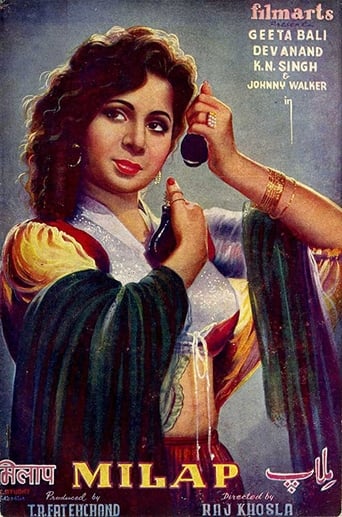
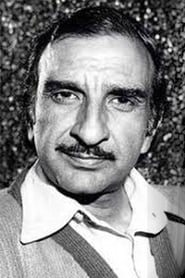
Prominent Indian film director who began his career as an assistant to the Guru Dutt before making his directorial debut with Milap in 1955. Born in Sindh, British India, Khosla quickly established himself as a versatile filmmaker capable of handling various genres including thrillers, dramas, and musicals. His breakthrough came with the hit film C.I.D. (1956), which showcased his mastery of suspense and narrative pacing. Throughout his career spanning three decades, Khosla directed over 30 films and worked with the biggest stars of Indian cinema including Dev Anand, Rajesh Khanna, and Amitabh Bachchan. He was particularly known for his strong female characters and innovative storytelling techniques that blended commercial appeal with artistic sensibility. Khosla's later films in the 1970s and 1980s continued to be successful, cementing his reputation as one of Hindi cinema's most reliable directors. His filmography reflects the evolution of mainstream Indian cinema from the post-independence era through the Bollywood boom of the 1980s.
The Craft
Behind the Camera
Raj Khosla was known for his versatile directing style that excelled in multiple genres, particularly thrillers and romantic dramas. He had a keen eye for visual storytelling and was adept at creating suspense through clever camera work and editing techniques. Khosla's films often featured strong female protagonists and complex narratives that balanced commercial entertainment with artistic merit. He was particularly skilled at extracting nuanced performances from his actors while maintaining the emotional core of his stories.
Milestones
- Directorial debut with Milap (1955)
- Breakthrough success with C.I.D. (1956)
- Directed Solva Saal (1958) starring Dev Anand
- Made Ek Musafir Ek Hasina (1962) with Joy Mukherjee and Sadhana
- Directed Bandhan (1969) with Rajesh Khanna
- Box office success with Kala Pathar (1979)
- Final film Maha Shaktimaan (1985)
Best Known For
Must-See Films
Accolades
Won
- Filmfare Award for Best Director for Main Tulsi Tere Aangan Ki (1979)
- Filmfare Award for Best Director for Anokhi Raat (1968)
Nominated
- Filmfare Best Director nomination for Bandhan (1969)
- Filmfare Best Director nomination for Kala Pathar (1979)
Special Recognition
- Recognized as one of Hindi cinema's most successful commercial directors
- Honored at various film festivals for his contribution to Indian cinema
Working Relationships
Worked Often With
Studios
Why They Matter
Impact on Culture
Raj Khosla played a significant role in shaping the commercial Hindi cinema landscape from the 1950s through the 1980s. His films often addressed social themes within the framework of mainstream entertainment, helping to normalize discussions about women's rights and social justice in popular cinema. Khosla's success with strong female characters contributed to the evolution of Bollywood's portrayal of women, moving beyond traditional stereotypes. His ability to consistently deliver box office hits while maintaining artistic quality set a benchmark for commercial directors in Indian cinema.
Lasting Legacy
Raj Khosla's legacy endures through his extensive filmography that continues to be referenced and studied by filmmakers and cinema enthusiasts. He is remembered as a director who successfully bridged the gap between art and commerce, creating films that were both critically acclaimed and commercially successful. His influence can be seen in the work of subsequent generations of Bollywood directors who adopted his approach to genre filmmaking and character development. Khosla's films remain part of the golden era of Hindi cinema and are frequently featured in retrospectives and film festivals celebrating classic Indian cinema.
Who They Inspired
Raj Khosla influenced generations of Bollywood directors through his mastery of multiple genres and his ability to work with diverse star casts. His techniques for building suspense and emotional depth in commercial films became templates for thriller and drama directors in Indian cinema. Directors like Mahesh Bhatt, Subhash Ghai, and Rajiv Rai have cited Khosla's work as inspiration for their own filmmaking approaches. His success in creating strong female characters paved the way for more nuanced portrayals of women in mainstream Indian cinema.
Off Screen
Raj Khosla was known to be a private person who kept his personal life away from the media spotlight. He was deeply passionate about cinema and dedicated most of his life to filmmaking. His professional relationships with actors and technicians were often long-lasting, reflecting his reputation as a collaborative director. Despite his success, he maintained a relatively low public profile throughout his career.
Education
Educated in Sindh before partition, later moved to Bombay (now Mumbai) to pursue film career
Family
- Sheela Khosla (married in 1950s)
Did You Know?
- Started his career as an assistant to Guru Dutt
- Milap (1955) was his directorial debut but was not a commercial success
- C.I.D. (1956) became one of his biggest early hits and established his reputation
- Was one of the few directors who successfully worked with three generations of Bollywood superstars
- His film Main Tulsi Tere Aangan Ki won the Filmfare Award for Best Film
- Known for discovering and launching new talent, particularly actresses
- Often collaborated with music composer O.P. Nayyar in his early career
- Had a reputation for completing films on schedule and within budget
- His son Rajiv Khosla also became a film director
- Directed films in multiple languages including Hindi and Punjabi
In Their Own Words
A film should entertain first, then educate if possible
The camera is the most powerful storyteller in cinema
I believe in making films that connect with the common man's emotions
Suspense is not about what you show, but what you don't show
Every film is a new challenge, a new learning experience
Frequently Asked Questions
Who was Raj Khosla?
Prominent Indian on YTB.my.I.D., Bandhan, and Main Tulsi Tere Aangan Ki. He began as an assistant to Guru Dutt and became one of Bollywood's most reliable commercial directors.
What films is Raj Khosla best known for?
Titles linked here include C.I.D. (1956), Solva Saal (1958).
When was Raj Khosla born and when did he die?
Born May 31, 1925; died June 9, 1991.
What awards did Raj Khosla win?
Raj Khosla won two Filmfare Awards for Best Director for Anokhi Raat (1968) and Main Tulsi Tere Aangan Ki (1979). He also received several nominations for his work throughout his career.
What was Raj Khosla's directing style?
Raj Khosla was known for his versatile directing style, excelling particularly in thrillers and romantic dramas. He emphasized strong visual storytelling, created suspense through innovative camera work, and was known for developing strong female characters and extracting nuanced performances from his actors.