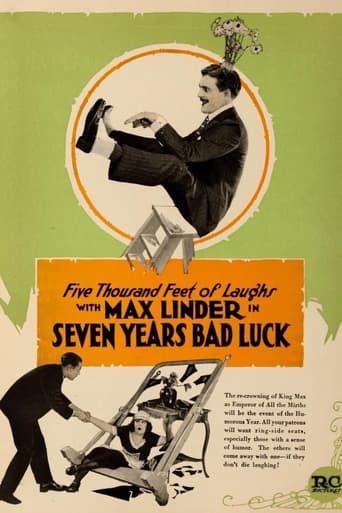
Films
1 film
About F.B. Crayne
F.B. Crayne appeared in Max Linder's comedy 'Seven Years Bad Luck' in 1921. Very little is documented about Crayne's life and career, suggesting they were likely a bit player or supporting actor rather than a leading performer. The fact that their known filmography spans only 1921 indicates a very brief career in motion pictures, possibly limited to just this one film appearance. Like many supporting actors from the silent era, detailed biographical information has been lost to time, with only their name surviving in cast records. Their participation in a Max Linder film suggests they were part of the Hollywood studio system during the early 1920s, working alongside one of the era's major comedy stars. The obscurity surrounding Crayne is typical of many actors who filled small roles in silent films but never achieved lasting fame or recognition.
The Craft
Milestones
- Appeared in Max Linder's 'Seven Years Bad Luck' (1921)
Best Known For
Must-See Films
Working Relationships
Worked Often With
Why They Matter
Impact on Culture
F.B. Crayne's cultural impact is minimal due to their extremely brief and obscure career in silent cinema. However, their participation in 'Seven Years Bad Luck' places them within the context of early Hollywood comedy production, working alongside Max Linder, who was one of the first international comedy film stars. The film itself represents an important example of silent comedy techniques and cross-Atlantic film production in the early 1920s. While Crayne's individual contribution was likely small, they were part of the larger ecosystem of actors, technicians, and artists who helped establish the foundations of American comedy cinema during the transition from short films to feature-length productions.
Lasting Legacy
F.B. Crayne's legacy is essentially non-existent in terms of individual recognition, which reflects the fate of countless supporting actors from the silent era whose contributions were recorded only in cast lists. Their name survives primarily through film archives and databases that document even the smallest roles in classic cinema. The fact that we know their name at all is due to the preservation of 'Seven Years Bad Luck' and the continued interest in Max Linder's work among film historians and silent cinema enthusiasts. This obscurity serves as a reminder of the thousands of anonymous performers who contributed to early Hollywood but whose stories have been lost to time.
Who They Inspired
Given the extremely limited nature of F.B. Crayne's known film work, there is no evidence of direct influence on other actors or filmmakers. Their career appears to have been too brief and their role too minor to have left any discernible mark on subsequent generations of performers.
Off Screen
No personal information about F.B. Crayne has survived in historical records, which is typical of many bit players and supporting actors from the silent era who never achieved star status.
Did You Know?
- F.B. Crayne's entire known filmography consists of just one film from 1921
- They appeared in 'Seven Years Bad Luck' starring Max Linder, one of the first international comedy film stars
- The film was one of Linder's American productions after he had already achieved fame in Europe
- Like many silent era bit players, only their initials and last name were typically credited
- The film featured the famous mirror gag scene that has been referenced in numerous later comedies
- Max Linder was a major influence on Charlie Chaplin, making anyone who worked with him part of comedy film history
- The film was produced during the transition period when American studios were recruiting European talent
- Most supporting actors from this period have no surviving biographical information beyond cast lists
Frequently Asked Questions
Who was F.B. Crayne?
Screen credits include only one known film, Max Linder's comedy 'Seven Years Bad Luck' in 1921. Very little biographical information survives about this performer, suggesting they were likely a bit player or supporting actor rather than a star.
What films is F.B. Crayne best known for?
Titles linked here include Seven Years Bad Luck (1921).
When was F.B. Crayne born and when did they die?
The birth and death dates of F.B. Crayne are unknown, as is common with many supporting actors from the silent era whose biographical details have been lost to history. Only their name survives in cast records from 1921.
What awards did F.B. Crayne win?
F.B. Crayne did not receive any known awards or recognition during their brief career. This is typical for bit players and supporting actors from the silent era who rarely received formal acknowledgment for their contributions.
What was F.B. Crayne's acting style?
There is no documented information about F.B. Crayne's acting style or techniques, as their role was likely too minor to be noted in contemporary reviews or film analysis. Their brief appearance in a Max Linder comedy suggests they worked within the broad physical comedy style typical of silent film era performances.
Why is so little known about F.B. Crayne?
The scarcity of information about F.B. Crayne is typical of countless supporting actors from the silent era who never achieved star status. Studio records from this period often focused only on principal players, and many biographical details about minor performers were never preserved or have been lost over time.