Films
3 films
About William V. Ranous
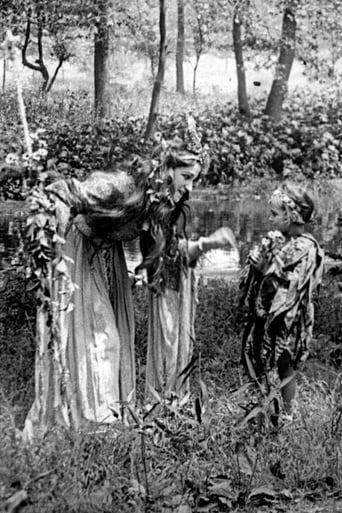
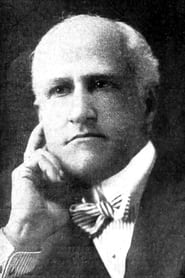
American actor who worked during the earliest days of cinema, appearing in silent films around 1909. His career coincided with the transition from stage to screen, when film was still establishing itself as a legitimate art form. Ranous worked primarily with Vitagraph Studios, one of the film production companies of the early 20th century. His most notable appearance was in the 1909 adaptation of Shakespeare's A Midsummer Night's Dream, directed by J. Stuart Blackton and Charles Kent. This film was significant as one of the earliest attempts to bring classical literature to the moving picture medium. Like many actors of his era, Ranous likely came from a theatrical background and adapted his stage acting techniques for the silent film format. His film career appears to have been brief, concentrated entirely in the year 1909, which was common for many early film actors who either returned to theater or moved behind the camera as the industry evolved.
The Craft
On Screen
As an actor in 1909, William V. Ranous would have employed the exaggerated, theatrical acting style typical of the silent era, where dramatic gestures and facial expressions were essential to convey emotion and story without dialogue. His performances would have been influenced by stage acting techniques, adapted for the static camera positions and limited movement of early film productions.
Milestones
- Appeared in Vitagraph's 1909 adaptation of A Midsummer Night's Dream
- Worked during the era of American silent cinema
- Participated in early Shakespeare adaptations on film
Best Known For
Iconic Roles
Must-See Films
Working Relationships
Worked Often With
Studios
Why They Matter
Impact on Culture
William V. Ranous represents the generation of actors who helped establish cinema as a narrative art form. His participation in one of the earliest Shakespeare film adaptations contributed to the legitimization of film as a medium capable of handling classical literature. These early adaptations were crucial in demonstrating that complex literary works could be translated to the visual medium, paving the way for more sophisticated cinematic storytelling.
Lasting Legacy
Though his career was brief and largely undocumented, William V. Ranous is part of the foundation of American cinema history. His work in 1909 places him among the first generation of film actors who transitioned from theatrical traditions to the new medium of motion pictures. The preservation of his film work, however limited, provides valuable insight into early 20th century acting techniques and the evolution of cinema as an art form.
Who They Inspired
As an early film actor, William V. Ranous's influence would have been primarily through his participation in groundbreaking early productions that demonstrated the potential of cinema. His work in Shakespeare adaptations helped establish precedents for bringing classical literature to film, influencing countless future filmmakers and actors who would tackle similar material with more sophisticated cinematic techniques.
Off Screen
Very little is documented about William V. Ranous's personal life, which is common for actors from the earliest period of cinema. His brief film career and the limited record-keeping of the era have resulted in sparse biographical information. Like many early film actors, he may have maintained a private life separate from his brief screen work.
Did You Know?
- Appeared in films during the same year that the first narrative feature films were being produced
- Worked with Vitagraph Studios, one of America's first major film production companies
- Participated in early adaptations of Shakespeare, helping establish literature as film source material
- His entire known film active years covered only one year (1909)
- The 1909 A Midsummer Night's Dream was one of the earliest Shakespeare films made in America
- Early silent actors like Ranous had to develop a new acting style suitable for the camera
- Vitagraph Studios was known for producing quality literary adaptations in the early 1900s
- Many early film actors like Ranous returned to theater as film became more specialized
Frequently Asked Questions
Who was William V. Ranous?
American silent film with credits in this catalog. He is best known for his appearance in the 1909 adaptation of Shakespeare's A Midsummer Night's Dream, one of the earliest Shakespeare films produced in America.
What films is William V. Ranous best known for?
Titles linked here include A Midsummer Night's Dream (1909).
When was William V. Ranous born and when did he die?
Unfortunately, specific birth and death dates for William V. Ranous are not documented in historical records, which is common for many early film actors whose careers preceded systematic record-keeping in the film industry.
What awards did William V. Ranous win?
William V. Ranous did not receive any formal awards or recognition during his brief career in 1909. The Academy Awards and other major film honors would not be established until decades after his active period in cinema.
What was William V. Ranous's acting style?
As an actor in 1909, William V. Ranous would have used the theatrical, exaggerated style typical of early silent film acting. This involved dramatic gestures and facial expressions to convey emotions and story without the benefit of dialogue or sound.
What studio did William V. Ranous work with?
William V. Ranous worked primarily with Vitagraph Studios, one of America's film production companies that was active in the early 1900s and known for producing quality literary adaptations.