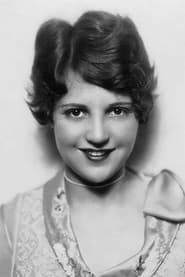
Sue Carol
Actor
Born: February 22, 1906 in Chicago, Illinois, USA Died: February 4, 1982 Active: 1927-1937 (as actress), 1937-1960s (as talent agent) Birth Name: Evelyn Jean Lederer
Films
2 films
About Sue Carol
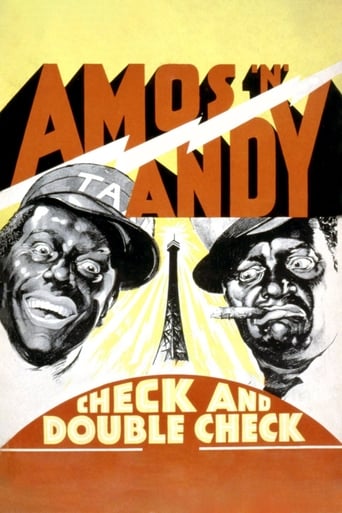
Sue Carol, born Evelyn Jean Lederer, began her career as a silent film actress in the late 1920s, quickly transitioning to talkies with her distinctive voice and screen presence. She was discovered by a talent scout while working as a model in Chicago and signed with Paramount Pictures, where she appeared in numerous films throughout the late 1920s and early 1930s. Her most notable film appearance was in 'Check and Double Check' (1930), the first film adaptation of the popular Amos 'n' Andy radio show. After her acting career began to wane in the mid-1930s, Carol made a remarkable transition to become one of Hollywood's first successful female talent agents, leveraging her industry knowledge and connections. Her most significant achievement as an agent was discovering and managing the career of Alan Ladd, whom she later married in 1942. She continued her successful agency work throughout the 1940s and 1950s, representing numerous prominent actors and becoming respected talent agents in Hollywood. Carol's career trajectory from actress to influential agent demonstrated remarkable business acumen and adaptability in the rapidly changing film industry.
The Craft
On Screen
Sue Carol was known for her vivacious and energetic screen presence, often playing the spirited young woman or romantic interest in comedies and light dramas. Her acting style was typical of the late silent and early talkie era - expressive and slightly theatrical but with a natural charm that translated well to sound films. She had a distinctive, clear voice that helped her transition successfully from silent films to talkies when many of her contemporaries struggled.
Milestones
- Signed by Paramount Pictures in 1927 as a WAMPAS Baby Star
- Starred in 'Check and Double Check' (1930), the first Amos 'n' Andy film
- Transitioned successfully from actress to talent agent in 1937
- Discovered and managed Alan Ladd's career, making him a major star
- Became one of Hollywood's first prominent female talent agents
- Founded the Sue Carol Agency, representing major Hollywood stars
Best Known For
Iconic Roles
Must-See Films
Accolades
Special Recognition
- WAMPAS Baby Star of 1928
- Hollywood Walk of Fame star at 1639 Vine Street
Working Relationships
Worked Often With
Studios
Why They Matter
Impact on Culture
Sue Carol's most significant cultural impact came not from her acting career but from her role as one of Hollywood's first successful female talent agents. At a time when the film industry was dominated by men in positions of power, Carol broke barriers by establishing herself as a respected and influential agent. Her success demonstrated that women could thrive in the business side of Hollywood, paving the way for future generations of female agents and executives. Her representation of Alan Ladd and her role in building his career helped shape the star system of the 1940s and 1950s, contributing to the development of the Hollywood studio era's business practices.
Lasting Legacy
Sue Carol's legacy is twofold: as a representative of the transition from silent films to talkies, and more significantly, as a trailblazer for women in Hollywood's business sector. While her acting career was relatively brief and typical of many actresses of her era, her success as a talent agent was extraordinary for her time. The Sue Carol Agency became one of Hollywood's most respected representation firms, and her business model influenced how talent agencies operated for decades. Her marriage to Alan Ladd created one of Hollywood's most iconic power couples of the 1940s and 1950s, with their partnership representing both personal and professional success. Today, she is remembered as a pioneer who helped open doors for women in Hollywood's business side.
Who They Inspired
Sue Carol influenced the talent agency industry by demonstrating that women could successfully manage and promote major stars. Her approach to career management, particularly her hands-on involvement in Alan Ladd's career development, became a model for talent agents who sought to build long-term relationships with their clients rather than simply negotiate contracts. She also influenced perceptions of women's roles in Hollywood, proving that women could be powerful business figures in addition to being actresses. Her success inspired other women to enter the talent representation field and helped diversify Hollywood's business leadership.
Off Screen
Sue Carol was married twice during her lifetime. Her first marriage was to Allen L. 'Bud' Weingarten, a wealthy Chicago businessman, from 1927 to 1929. Her second and more famous marriage was to actor Alan Ladd, whom she had discovered and managed as a talent agent before their personal relationship developed. They married in 1942 and remained together until Ladd's death in 1964. Carol was instrumental in managing and protecting Ladd's career throughout their marriage, making them one of Hollywood's most successful power couples. After Ladd's death, she largely retired from the talent agency business and lived a more private life until her death in 1982.
Education
Attended public schools in Chicago, no formal higher education known
Family
- Allen L. Weingarten (1927-1929)
- Alan Ladd (1942-1964, until his death)
Did You Know?
- She was one of the 13 actresses selected as WAMPAS Baby Stars in 1928, a prestigious honor for promising young actresses
- She changed her name from Evelyn Jean Lederer to Sue Carol early in her career on the advice of studio executives
- She discovered Alan Ladd when he was working as a studio grip and encouraged him to try acting
- Her agency was one of the first to take a percentage of clients' earnings, now standard practice in the industry
- She was instrumental in getting Alan Ladd his breakthrough role in 'This Gun for Hire' (1942)
- During her acting career, she appeared in over 40 films between 1927 and 1937
- She was known for being extremely protective of Alan Ladd's career, often turning down roles she deemed unsuitable
- Her Hollywood Walk of Fame star was awarded for her contributions to the motion picture industry
- She was one of the few women in the 1940s to run a major talent agency independently
- She retired from active agency work after Alan Ladd's death in 1964
In Their Own Words
I'd rather be a good agent than a great actress any day of the week.
Talent is only half the battle. The other half is knowing how to present it to the right people at the right time.
In Hollywood, it's not just who you know, but who knows your worth.
Frequently Asked Questions
Who was Sue Carol?
American actress who transitioned to become one of Hollywood's first successful female talent agents. She was most famous for discovering and managing Alan Ladd's career, whom she later married.
What films is Sue Carol best known for?
Titles linked here include Check and Double Check (1930), Girls Who Kiss (1929).
When was Sue Carol born and when did she die?
Born February 22, 1906; died February 4, 1982.
What awards did Sue Carol win?
She was selected as a WAMPAS Baby Star in 1928, an honor given to promising young actresses. She also received a star on the Hollywood Walk of Fame at 1639 Vine Street for her contributions to the motion picture industry.
What was Sue Carol's acting style?
Carol was known for her vivacious and energetic screen presence, often playing spirited young women in comedies and light dramas. Her clear voice helped her transition successfully from silent films to talkies.
How did Sue Carol influence Hollywood?
Carol — pioneer as one of Hollywood's first successful female talent agents. She broke barriers for women in the business side of Hollywood and helped shape modern talent agency practices through her successful management of Alan Ladd's career.
Was Sue Carol married to Alan Ladd?
Yes, Sue Carol married Alan Ladd in 1942 after discovering and managing his career as a talent agent. They remained married until Ladd's death in 1964, making them one of Hollywood's most notable power couples.