
Michael Duane
Actor
Born: November 24, 1915 in New York City, New York, USA Died: June 21, 2004 Active: 1943-1948 Birth Name: Michael Joseph DiGiacomo
Films
1 film
About Michael Duane
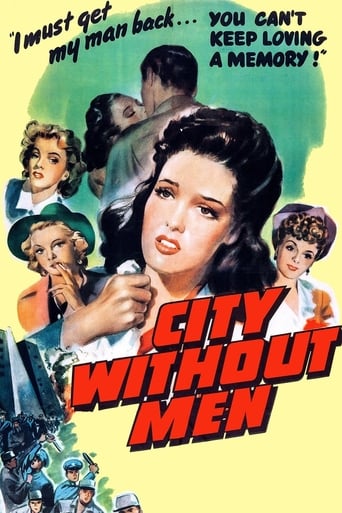
Michael Duane appears in City Without Men (1943), The Falcon in Danger (1943), The Purple Heart (1944) in this catalog. After being discovered by talent scouts, he signed with major studios and appeared in several significant wartime films, often playing supporting roles alongside established stars. His most recognized performance came in 'City Without Men' (1943), where he demonstrated his ability to portray complex characters in ensemble casts. Duane also appeared in other notable films including 'The Falcon in Danger' (1943), 'The Purple Heart' (1944), and 'The Story of Dr. Wassell' (1944). His acting career was interrupted by military service during World War II, where he served honorably in the U.S. Army. Following the war, Duane made a few more film appearances but ultimately transitioned away from Hollywood, choosing to pursue a career in real estate. Though his time in cinema was relatively brief, he left his mark on several important films of the Golden Age period, particularly those dealing with wartime themes.
The Craft
On Screen
Duane was known for his naturalistic approach to acting, bringing authenticity to his supporting roles. He specialized in portraying earnest, sincere characters often caught in dramatic circumstances. His style was understated yet effective, allowing him to blend seamlessly into ensemble casts while still making memorable impressions. Duane's performances were marked by a quiet intensity and emotional depth that resonated with wartime audiences.
Milestones
- Film debut in City Without Men (1943)
- Contract player during Hollywood's Golden Age
- Military service in U.S. Army during WWII
- Transition to successful real estate career post-acting
Best Known For
Iconic Roles
Must-See Films
Accolades
Special Recognition
- U.S. Army service during World War II
Working Relationships
Worked Often With
Studios
Why They Matter
Impact on Culture
Michael Duane's contribution to classic cinema, while not as prominent as leading stars of his era, represents the essential fabric of Hollywood's Golden Age. As a reliable supporting actor, he helped bring depth and authenticity to wartime films that reflected and shaped American sentiment during World War II. His performances in films like 'City Without Men' and 'The Purple Heart' contributed to the cinematic narrative of American patriotism and sacrifice. Duane's career trajectory also exemplifies the transient nature of Hollywood success, where many talented performers served the industry briefly before pursuing other paths. His work remains part of the historical record of American cinema's most prolific period.
Lasting Legacy
Michael Duane's legacy lies in his contribution to the ensemble casts of several significant 1940s films that have endured as classics of wartime cinema. While he never achieved stardom, his performances add to the Hollywood's Golden Age. His decision to leave acting for a career in real estate demonstrates the diverse paths taken by Hollywood professionals. For film historians and classic cinema enthusiasts, Duane represents the countless capable actors who brought authenticity to supporting roles, making films of the era complete and believable.
Who They Inspired
As a supporting actor during Hollywood's Golden Age, Michael Duane's direct influence on other performers was limited by his relatively brief career. However, his naturalistic acting style and ability to enhance ensemble performances contributed to the evolving standards of film acting in the 1940s. His work in wartime films helped establish templates for supporting character portrayals that would influence subsequent generations of character actors. His career also serves as an example of the many actors who found fulfillment beyond Hollywood, influencing perceptions of career longevity in the entertainment industry.
Off Screen
Michael Duane maintained a relatively private personal life away from the Hollywood spotlight. After leaving the film industry, he found success and stability in real estate, demonstrating his versatility beyond the entertainment world. He married and had children, though he kept details of his family life largely out of public view. His decision to leave acting for a more conventional career path reflected his practical nature and desire for a more stable family life.
Education
Information not publicly available
Family
- Information not publicly available
Did You Know?
- Changed his professional name from Michael Joseph DiGiacomo to Michael Duane for Hollywood
- Served in the U.S. Army during World War II, interrupting his acting career
- His film active years covered only about five years during the 1940s
- Successfully transitioned to a career in real estate after leaving acting
- Appeared in multiple films dealing with World War II themes
- Worked with major stars of the era including Gary Cooper and Laraine Day
- Was under contract to major studios during Hollywood's studio system era
- His final film appearances were in the late 1940s before leaving the industry
- Maintained a low public profile after leaving Hollywood
- His films are now preserved as part of Hollywood's Golden Age heritage
In Their Own Words
Information not publicly available
Frequently Asked Questions
Who was Michael Duane?
American with credits in this catalog. Born Michael Joseph DiGiacomo, he appeared in several notable Golden Age productions before transitioning to a career in real estate after serving in World War II.
What films is Michael Duane best known for?
Titles linked here include City Without Men (1943), The Falcon in Danger (1943).
When was Michael Duane born and when did he die?
Born November 24, 1915; died June 21, 2004.
What awards did Michael Duane win?
Michael Duane did not receive major acting awards or nominations during his brief Hollywood career. His recognition came primarily from his military service during World War II, for which he received standard military honors.
What was Michael Duane's acting style?
Michael Duane was known for his naturalistic, understated acting style that brought authenticity to his supporting roles. He specialized in portraying sincere characters with emotional depth, particularly in wartime dramas where his earnest performances resonated with contemporary audiences.