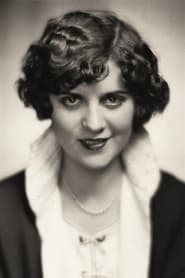
Dorothy Gulliver
Actor
Born: September 6, 1908 in Salt Lake City, Utah, USA Died: May 23, 1997 Active: 1926-1942 Birth Name: Dorothy Kathleen Gulliver
Films
2 films
About Dorothy Gulliver
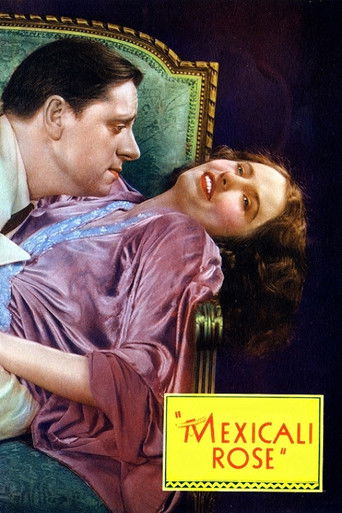
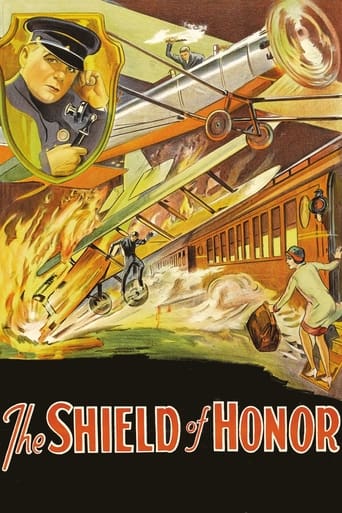
Dorothy Gulliver is credited on a single production — The Shield of Honor (1927). Born in Salt Lake City, Utah, she began her film career in the mid-1920s and quickly gained recognition when she was selected as one of the WAMPAS Baby Stars of 1928, a prestigious honor that identified promising young actresses destined for stardom. Throughout her career, she appeared in over 60 films, primarily working as a leading lady in westerns, serials, and B-movies for various studios. Her most notable works include 'The Shield of Honor' (1927), 'Mexicali Rose' (1929), and several popular serials like 'The Lost City' and 'The Phantom Empire.' Gulliver was particularly adept at playing the romantic interest opposite cowboy stars and serial heroes, bringing a combination of beauty, spunk, and sincerity to her roles. As the film industry evolved and major studios consolidated their star systems, her career gradually diminished through the 1930s, leading to her retirement from acting in the early 1940s. Despite never achieving A-list status, she remained a beloved figure among fans of classic cinema and serial adventures.
The Craft
On Screen
Dorothy Gulliver was known for her naturalistic acting style that bridged the gap between the exaggerated expressions of silent film and the more subtle performances required for sound pictures. She possessed a wholesome, girl-next-door quality that made her particularly effective as the romantic interest in westerns and adventure serials. Her screen presence was characterized by genuine emotion, clear diction (important for the transition to talkies), and an ability to convey both vulnerability and strength. Gulliver's acting technique emphasized authenticity over theatricality, allowing her to connect with audiences through sincere performances rather than melodramatic gestures.
Milestones
- Selected as WAMPAS Baby Star of 1928
- Leading lady in numerous western films and serials
- Starred in 'The Shield of Honor' (1927)
- Appeared in early sound film 'Mexicali Rose' (1929)
- Featured in popular serial 'The Lost City' (1935)
- Co-starred with Gene Autry in 'The Phantom Empire' (1935)
Best Known For
Iconic Roles
Must-See Films
Accolades
Won
- WAMPAS Baby Star of 1928
Special Recognition
- Western Association of Motion Picture Advertisers recognition as Baby Star (1928)
Working Relationships
Worked Often With
Studios
Why They Matter
Impact on Culture
Dorothy Gulliver represents the archetype of the reliable, hardworking supporting actress who was essential to Hollywood's studio system during its golden age. As a WAMPAS Baby Star, she was part of a promotional tradition that helped launch the careers of many notable actresses. Her work in westerns and serials contributed to the popularity of these genres during the 1920s and 1930s, helping to establish many of the tropes and character types that would define American popular entertainment. Gulliver's successful transition from silent films to talkies demonstrated the adaptability required of actors during this transformative period in cinema history. Her performances, while not critically acclaimed at the highest levels, provided audiences with consistent entertainment and emotional connection during the golden age of Hollywood.
Lasting Legacy
Dorothy Gulliver's legacy lies in her contribution to the development of the western and serial film genres, which were crucial to early Hollywood's commercial success. Her extensive filmography serves as a valuable record of the types of roles available to women in genre films during the studio era. As one of the WAMPAS Baby Stars, she remains part of Hollywood history and is remembered by film historians and classic cinema enthusiasts. Her work with cowboy stars like Gene Autry helped establish the formula for western films that would dominate American cinema for decades. While not a household name today, her performances survive in her films and continue to be appreciated by fans of classic cinema, particularly those interested in the evolution of the western and serial formats.
Who They Inspired
Dorothy Gulliver's influence was primarily within the context of genre filmmaking, where she helped establish the archetype of the capable, attractive heroine who could hold her own alongside action heroes. Her natural acting style during the transition from silent to sound films provided a model for other actresses making this difficult adjustment. Through her work in serials, she influenced the development of the female protagonist in adventure narratives, showing that women could be more than mere damsels in distress. Her career trajectory also illustrates the challenges faced by many supporting actresses in maintaining relevance during Hollywood's rapid evolution in the 1930s and 1940s.
Off Screen
Dorothy Gulliver married actor and director Edward LeSaint in 1930, who was significantly older than her and had been a prominent figure in silent films. Their marriage lasted until LeSaint's death in 1940. After her film career ended, Gulliver largely withdrew from public life and focused on her personal interests. She lived her later years in California, maintaining connections with old Hollywood friends but rarely giving interviews or making public appearances. Her life reflected the typical trajectory of many supporting actors from the golden age of Hollywood - a period of intense activity followed by a quiet retirement away from the spotlight.
Education
Educated in Salt Lake City public schools; no formal acting training documented, likely learned through studio system apprenticeship
Family
- Edward LeSaint (1930-1940)
Did You Know?
- Was one of 13 actresses selected as WAMPAS Baby Stars in 1928
- Appeared in over 60 films during her 16-year career
- Was often typecast as the romantic interest in westerns
- Worked with many of the biggest cowboy stars of her era
- Her husband Edward LeSaint was 35 years her senior
- Successfully made the transition from silent films to talkies
- Was particularly popular in serial films, a precursor to modern television series
- Retired from acting shortly after her husband's death in 1940
- Lived to be 88 years old, outliving many of her contemporaries
- Her films are now considered valuable examples of early Hollywood genre cinema
In Their Own Words
Being a WAMPAS Baby Star opened many doors for me in Hollywood, but it was the hard work and dedication to my craft that kept me working through the changing times.
Westerns were wonderful to work on - the people were genuine, the locations were beautiful, and the stories spoke to something fundamental in the American spirit.
The transition from silent to sound wasn't as difficult for some of us because we focused on natural acting rather than theatrical gestures.
Frequently Asked Questions
Who was Dorothy Gulliver?
American actress active during the late silent film era and early sound period, best known for her roles in westerns and serials. She was selected as a WAMPAS Baby Star in 1928 and appeared in over 60 films throughout her career.
What films is Dorothy Gulliver best known for?
Titles linked here include The Shield of Honor (1927), Mexicali Rose (1929).
When was Dorothy Gulliver born and when did she die?
Born September 6, 1908; died May 23, 1997.
What awards did Dorothy Gulliver win?
Dorothy Gulliver's most notable recognition was being selected as one of the WAMPAS Baby Stars of 1928, which was a prestigious honor given to promising young actresses in Hollywood.
What was Dorothy Gulliver's acting style?
Gulliver was known for her naturalistic acting style that successfully bridged silent film and sound pictures. She brought authenticity to her roles, particularly as romantic interests in westerns and serials, with a wholesome girl-next-door quality that resonated with audiences.
How did Dorothy Gulliver's career evolve over time?
Gulliver began in silent films, gained recognition as a WAMPAS Baby Star in 1928, successfully transitioned to talkies, and became a reliable leading lady in westerns and serials throughout the 1930s before retiring in the early 1940s.
Was Dorothy Gulliver married?
Yes, Dorothy Gulliver married actor and director Edward LeSaint in 1930. Their marriage lasted until LeSaint's death in 1940.