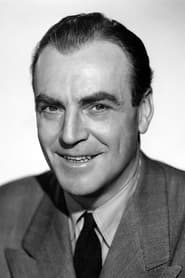
Richard Lane
Actor
Born: May 28, 1899 in Waseca, Minnesota, USA Died: February 5, 1982 Active: 1938-1965 Birth Name: Richard Lane Haskin
Films
2 films
About Richard Lane
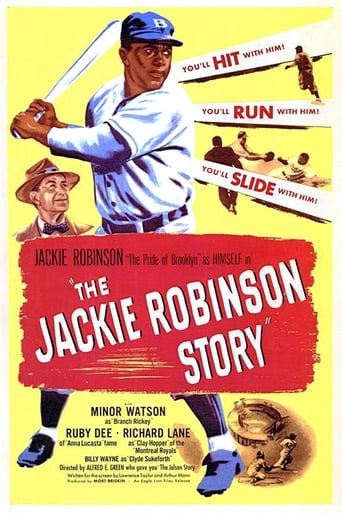
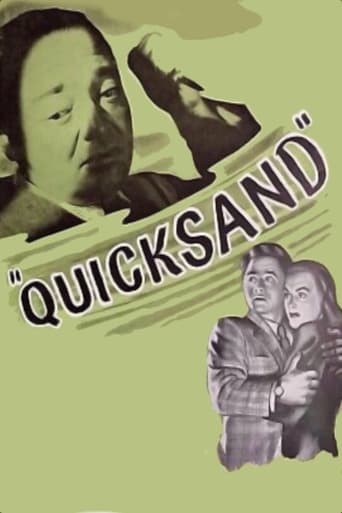
Prolific American character actor: several decades of Hollywood's Golden Age. Born Richard Lane Haskin in Minnesota, he began his entertainment career in radio before transitioning to film in the 1940s. Lane found his niche playing authoritative figures, particularly police inspectors and government officials, becoming most famous for his recurring role as Inspector Farraday in the Boston Blackie film series opposite Chester Morris. His distinctive voice and commanding presence made him a reliable supporting actor in both dramatic and comedic productions throughout the 1940s and 1950s. Beyond his film work, Lane successfully transitioned to television, appearing in numerous popular series of the era. His performances in The Jackie Robinson Story (1950) as Branch Rickey and in Quicksand (1950) demonstrated his versatility in playing both sympathetic and antagonistic characters. Lane continued working in entertainment until his retirement in the 1960s, leaving behind a legacy of memorable character performances that helped define the supporting actor landscape of classic Hollywood cinema.
The Craft
On Screen
Richard Lane specialized in portraying authority figures with a distinctive, authoritative presence. His acting style was characterized by a commanding voice, stern facial expressions, and a no-nonsense demeanor that made him perfect for roles as police inspectors, military officers, and government officials. Lane had a natural ability to deliver lines with gravitas and conviction, whether playing serious dramatic roles or contributing to comedic situations. His performances were consistently professional and reliable, making him a favorite among directors for supporting roles that required an immediate establishment of authority. Despite often playing stern characters, Lane could convey subtle warmth and humor when the script required, showing versatility within his character type.
Milestones
- Starred as Inspector Farraday in the Boston Blackie film series (1942-1949)
- Portrayed Branch Rickey in The Jackie Robinson Story (1950)
- Appeared in over 150 films and television programs
- Transitioned successfully from radio to film to television
- Became a familiar face in Hollywood's character actor pool
Best Known For
Iconic Roles
Must-See Films
Accolades
Special Recognition
- Hollywood Walk of Fame star (contributions to motion pictures)
Working Relationships
Worked Often With
Studios
Why They Matter
Impact on Culture
Richard Lane contributed significantly to the archetype of the authority figure in classic Hollywood cinema. His portrayal of Inspector Farraday helped establish the template for the determined but often exasperated police inspector in crime films and mysteries. In The Jackie Robinson Story, his performance as Branch Rickey was particularly significant, as he brought to life. Lane's work across multiple genres demonstrated the importance of character actors in creating the Golden Age Hollywood cinema. His consistent presence in both film and television helped bridge the gap between these two entertainment media during the transitional period of the 1950s.
Lasting Legacy
Richard Lane's legacy lives on through his extensive filmography and the memorable characters he created. As one of Hollywood's most recognizable character actors, he exemplified the supporting performer's crucial role in classic cinema. His work in the Boston Blackie series remains beloved by film noir and mystery enthusiasts, while his portrayal of Branch Rickey stands as an important historical representation. Lane's career trajectory from radio to film to television mirrored the evolution of the entertainment industry itself, making him a representative figure of the mid-20th century performer. Today, classic film fans continue to discover and appreciate his contributions to cinema through film revivals and classic movie channels.
Who They Inspired
Richard Lane influenced subsequent generations of character actors who specialized in authority roles. His ability to convey authority with both seriousness and subtle humor became a template for actors playing similar parts. His professional approach to acting and reliability as a performer set standards for supporting actors in Hollywood. Lane's successful transition from radio to film to television demonstrated adaptability that many actors would later emulate. His work in The Jackie Robinson Story also influenced how historical sports figures were portrayed in biographical films, showing the importance of casting actors who could embody real-life authority figures with authenticity.
Off Screen
Richard Lane was married twice during his lifetime. He maintained a relatively private personal life despite his public career in entertainment. After retiring from acting, he lived in Woodland Hills, California, where he spent his final years away from the spotlight. Lane was known among his colleagues as a professional and reliable actor who took his craft seriously. He passed away in 1982 at the age of 82, leaving behind a substantial body of work that continues to be appreciated by classic film enthusiasts.
Education
Limited information available about his formal education, but he studied drama and developed his acting skills through early radio work.
Family
- Martha H. Lane (1925-1965, her death)
- Helen Lane (1966-1982, his death)
Did You Know?
- His real name was Richard Lane Haskin but he dropped 'Haskin' professionally
- He appeared in 14 Boston Blackie films as Inspector Farraday
- Before acting, he worked as a radio announcer in the Midwest
- He was one of the few actors to successfully transition from the Boston Blackie radio show to the film series
- Lane often played characters much older than his actual age
- He served in the United States Army during World War I
- Despite playing many tough authority figures, colleagues described him as warm and friendly off-screen
- He appeared in over 150 television episodes in the 1950s and 1960s
- His distinctive voice made him a popular choice for narration work
- He never received top billing but was often featured prominently in film posters due to his recognizable face
In Their Own Words
As Inspector Farraday: 'Boston Blackie, you're the only man I know who can be in two places at once and still be late for both!'
On acting: 'The secret to playing authority is not in the volume of your voice, but in the conviction behind it.'
About character acting: 'Leading actors get the glory, but character actors get the variety. I wouldn't trade it.'
Frequently Asked Questions
Who was Richard Lane?
American character with credits in this catalog. He appeared in over 150 films and television shows during a career that spanned from the 1930s to the 1960s.
What films is Richard Lane best known for?
Titles linked here include The Jackie Robinson Story (1950), Quicksand (1950).
When was Richard Lane born and when did he die?
Born May 28, 1899; died February 5, 1982.
What awards did Richard Lane win?
While Richard Lane did not receive major acting awards during his lifetime, he was honored with a star on the Hollywood Walk of Fame for his contributions to motion pictures.
What was Richard Lane's acting style?
Richard Lane specialized in portraying authority figures with a commanding presence and distinctive voice. His acting style was characterized by stern expressions, authoritative delivery, and the ability to play both serious and comedic authority roles with equal effectiveness.