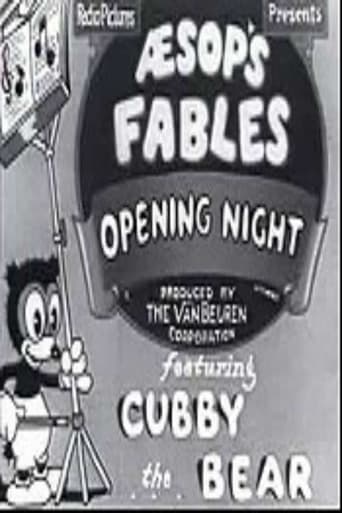
Films
3 films

About Mannie Davis
Film director active during the early sound era of Hollywood, with a brief but notable career spanning from 1930 to 1933. His directorial work emerged during the transitional period when silent cinema was giving way to talkies, a time of significant technological and artistic change in the film industry. Davis directed three feature films during his career: 'Midnight' in 1930, followed by 'Opening Night' and 'The Last Mail' in 1933. His films were produced during a challenging period in Hollywood history, coinciding with the Great Depression, which heavily influenced the types of stories being told and the budgets available for production. Unfortunately, detailed records of his career trajectory, early life, and later years remain scarce in film historical archives, suggesting he may have been part of the many talented filmmakers who worked briefly in the industry during this tumultuous period before moving on to other pursuits.
The Craft
Behind the Camera
Worked during the early sound era, likely adapting to new technological challenges and opportunities in filmmaking
Milestones
- Directed Midnight (1930)
- Directed Opening Night (1933)
- Directed The Last Mail (1933)
Best Known For
Must-See Films
Why They Matter
Impact on Culture
Mannie Davis represents the many talented directors who worked during Hollywood's transitional period from silent to sound films. His brief active years covered a crucial era in cinema history when the industry was adapting to new technologies and audience expectations. While his individual films may not have achieved lasting fame, directors like Davis were essential to the evolution of filmmaking techniques during the early 1930s, contributing to the development of sound cinema as we know it today.
Lasting Legacy
The legacy of Mannie Davis lies primarily in his contribution to the early sound era of Hollywood. Though his career was brief and his films not widely remembered, he was part of the generation of filmmakers who helped establish the conventions of sound cinema. His work during 1930-1933 represents the experimental and foundational period of talking pictures, a time when directors were learning to work with new technology and new storytelling possibilities.
Who They Inspired
Due to the limited documentation of his career and the obscurity of his films, specific influences of Mannie Davis on other filmmakers are difficult to trace. However, like all directors working during this period, he would have contributed to the collective learning process of adapting cinematic techniques to the demands of sound technology.
Off Screen
Limited information available about Mannie Davis's personal life, as records from this period for directors of his stature are scarce in film historical archives.
Did You Know?
- Active during the transition from silent to sound films
- Active years covered only three years (1930-1933)
- Directed exactly three feature films
- Worked during the Great Depression era
- Part of the generation of early sound directors
- His films are now considered obscure and rarely screened
Frequently Asked Questions
Who was Mannie Davis?
He directed three feature films during his brief career, working during a pivotal transitional period in cinema history when the industry was adapting to sound technology.
What films is Mannie Davis best known for?
Titles linked here include Midnight (1930), Opening Night (1933).
When was Mannie Davis born and when did he die?
Unfortunately, specific birth and death dates for Mannie Davis are not available in film historical records, which is common for directors who had brief careers during the early 1930s and whose work did not achieve lasting fame.
What awards did Mannie Davis win?
There are no recorded awards or nominations for Mannie Davis in available film archives. This was not uncommon for directors working on smaller productions during the early sound era, particularly during the Great Depression years.
What was Mannie Davis's directing style?
While specific details about Mannie Davis's directing style are not well-documented, as a director working during 1930-1933, he would have been adapting to the new challenges and opportunities of sound cinema, likely helping to establish early conventions for talking pictures.