Marguerite Marsh
Actor
Born: April 18, 1891 in Lawrence, Kansas, USA Died: October 17, 1925 Active: 1911-1923
Films
3 films
About Marguerite Marsh
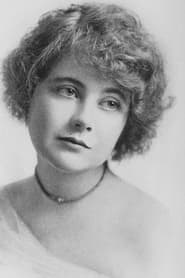
Prominent silent film actress who rose to fame during the early days of American cinema. Born in Lawrence, Kansas, she began her film career around 1911 after initially working as a model and stage actress. Marsh quickly gained recognition working under the direction of filmmaker D.W. Griffith at Biograph Studios, appearing in numerous short films. Her career flourished throughout the 1910s, with notable performances in major productions including Griffith's controversial epic 'The Birth of a Nation' (1915) and the 'Intolerance' (1916). Unlike her more famous sister Mae Marsh, Marguerite often played sophisticated, worldly characters rather than innocent ingenues. She worked with several major studios including Triangle, Fox, and Goldwyn, appearing in over 80 films during her career. Marsh married actor Lee Shumway in 1917, though they later divorced. Her film career gradually declined in the early 1920s as newer stars emerged, and she made her final film appearances around 1923 before retiring from the industry.
The Craft
On Screen
Marguerite Marsh was known for her naturalistic acting style that was ahead of its time for the silent era. She brought subtlety and emotional depth to her performances, avoiding the exaggerated gestures common among many of her contemporaries. Marsh specialized in portraying sophisticated, worldly women with complex motivations, often playing roles that required a nuanced understanding of human psychology. Her screen presence was marked by a quiet dignity and restraint that made her particularly effective in dramatic roles.
Milestones
- Discovered by D.W. Griffith at Biograph Studios
- Appeared in 'The Birth of a Nation' (1915)
- Featured in 'Intolerance' (1916)
- Leading lady at Triangle Film Corporation
- Starred in numerous Fox and Goldwyn productions
Best Known For
Iconic Roles
Must-See Films
Accolades
Special Recognition
- Pioneer of American Silent Cinema
Working Relationships
Worked Often With
Studios
Why They Matter
Impact on Culture
Marguerite Marsh was part of the generation of film actors who helped establish the language of cinema. Her work with D.W. Griffith contributed to the development of narrative film techniques that would become standard in Hollywood. As one of the early leading ladies of American cinema, she helped demonstrate that film could be a serious artistic medium capable of conveying complex human emotions and stories. Her naturalistic acting style influenced subsequent generations of performers who moved away from theatrical gestures toward more subtle, realistic performances.
Lasting Legacy
While her sister Mae Marsh achieved greater fame and is better remembered today, Marguerite Marsh made significant contributions to early American cinema. Her body of work represents an important bridge between the primitive theatrical style of early film and the more sophisticated acting techniques that would emerge in the 1920s. Many of her films, particularly those directed by Griffith, are considered classics of silent cinema and continue to be studied by film historians. Her career exemplifies the opportunities available to women in the early film industry, where actresses could achieve stardom and relative independence.
Who They Inspired
Marguerite Marsh's naturalistic approach to screen acting influenced the transition away from theatrical gestures toward more subtle, film-appropriate performance styles. Her work demonstrated that silent film acting could convey complex emotions through facial expressions and body language rather than exaggerated movements. Many actresses who followed in the 1920s built upon the techniques that performers like Marsh helped develop. Her sister Mae Marsh often cited her influence on her own career development.
Off Screen
Marguerite Marsh came from a family that would become deeply involved in the film industry. Her younger sister Mae Marsh would become. Marsh married fellow actor Lee Shumway in 1917, but their marriage ended in divorce. She was known for her professionalism and dedication to her craft, often working long hours on film sets. Tragically, her life was cut short when she died at the young age of 34 from complications following surgery in New York City.
Education
Limited formal education, likely attended local schools in Kansas before entering show business
Family
- Lee Shumway (1917-1923)
Did You Know?
- Was the older sister of the more famous actress Mae Marsh
- Appeared in both of D.W. Griffith's controversial epics 'The Birth of a Nation' and 'Intolerance'
- Worked as a model before entering films
- Her film active years covered the transition from short one-reel films to feature-length productions
- Was often cast as the sophisticated 'other woman' in romantic triangles
- Retired from films shortly before her death at age 34
- Worked with virtually every major studio of the silent era
- Her death certificate listed her occupation as 'actress' even though she had largely retired
- Many of her films are now considered lost
- She was part of Griffith's stock company of actors who appeared in multiple films together
In Their Own Words
The camera demands truth, not theatricality
In film, the smallest gesture can convey the deepest emotion
We are pioneers in a new art form, and we must learn its language as we go
Frequently Asked Questions
Who was Marguerite Marsh?
Silent film actress who worked during the early days of American cinema from 1911 to 1923. She appeared in numerous films including D.W. Griffith's epics 'The Birth of a Nation' and 'Intolerance,' and was the older sister of the more famous actress Mae Marsh.
What films is Marguerite Marsh best known for?
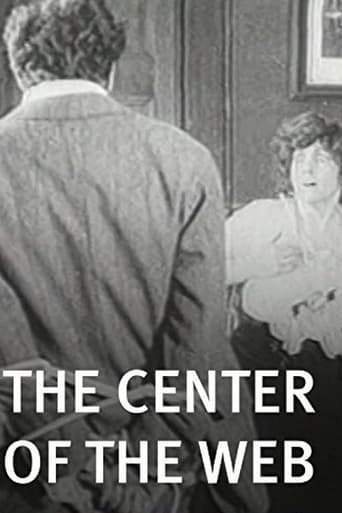
Titles linked here include Intolerance (1916), The Birth of a Nation (1915).
When was Marguerite Marsh born and when did she die?
Born April 18, 1891; died October 17, 1925.
What awards did Marguerite Marsh win?
Marguerite Marsh did not receive any major formal awards during her career, as the Academy Awards were not established until after her death. However, she is recognized today as an important pioneer of silent cinema who contributed to the development of film acting techniques.
What was Marguerite Marsh's acting style?
Marguerite Marsh was known for her naturalistic acting style that was ahead of its time for the silent era. She brought subtlety and emotional depth to her performances, avoiding the exaggerated gestures common among many of her contemporaries, and specialized in portraying sophisticated, worldly women with complex motivations.
How was Marguerite Marsh related to Mae Marsh?
Marguerite Marsh was the older sister of Mae Marsh, who became. Both sisters worked with D.W. Griffith and appeared in his films, though Mae achieved greater fame and is better remembered today.
Why did Marguerite Marsh's career end?
Marguerite Marsh's film career gradually declined in the early 1920s as newer stars emerged and audience tastes changed. She made her final film appearances around 1923 and retired from the industry, dying just two years later at age 34.