André Calmettes
Director
Born: August 18, 1861 in Bordeaux, France Died: March 13, 1942 Active: 1908-1908
Films
2 films
About André Calmettes
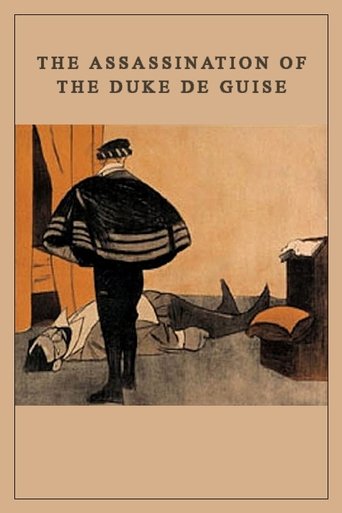
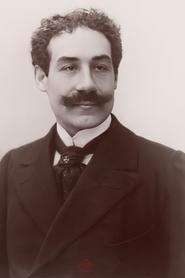
French actor and director who in the early development of cinema during the silent era. Born in Bordeaux in 1861, Calmettes began his career as a stage actor before transitioning to the nascent film industry in the early 1900s. He worked primarily for the Pathé studio, where he directed some of the most ambitious early French films. His most notable work, 'The Assassination of the Duke de Guise' (1908), was for its use of professional actors from the prestigious Comédie-Française and its artistic ambitions. Although his directing career was brief, spanning mainly 1908, his contributions helped establish the historical drama genre and demonstrated cinema's potential as an art form. After his brief film career, Calmettes returned to theatrical pursuits, leaving behind a small but significant legacy in early cinema history. He died in Paris in 1942, having witnessed the medium he helped pioneer evolve into a global industry.
The Craft
Behind the Camera
André Calmettes' directing style was characterized by theatrical influences, bringing stagecraft techniques to early cinema. He emphasized historical accuracy and dramatic intensity, using professional actors trained in classical theater to elevate the artistic quality of his films. His direction focused on period detail and authentic costumes, creating a sense of historical grandeur that was uncommon in films of that era. Calmettes employed careful composition and staging, reflecting his theatrical background while adapting to the new medium of film.
Milestones
- Transition from stage actor to film director
- Directed 'The Assassination of the Duke de Guise' (1908)
- Worked with Pathé studio during cinema's formative years
- Collaborated with Comédie-Française actors in film
- Pioneered the historical drama genre in cinema
Best Known For
Must-See Films
Accolades
Special Recognition
- Recognized as a pioneer of early French cinema
Working Relationships
Worked Often With
Studios
Why They Matter
Impact on Culture
André Calmettes made a significant cultural impact through his work in early cinema, particularly with 'The Assassination of the Duke de Guise.' This film demonstrated that cinema could be a legitimate artistic medium, capable of handling serious historical subjects with the same dignity as theater. By collaborating with prestigious theatrical institutions like the Comédie-Française, Calmettes helped bridge the gap between high culture and the emerging medium of film. His work contributed to the elevation of French cinema's artistic reputation during its formative years and influenced how historical narratives would be presented in film for decades to come.
Lasting Legacy
André Calmettes' legacy lies in his role as one of cinema's early pioneers who helped establish film as a legitimate art form. Though his directing career was brief, his most famous work remains historically significant as one of the earliest examples of artistic cinema. The film's collaboration with renowned composer Camille Saint-Saëns, who created one of the first original film scores, set a precedent for the integration of music and cinema. Calmettes demonstrated that film could handle complex historical subjects with artistic integrity, paving the way for future historical epics and dramas. His work is studied by film historians as an important example of early cinematic artistry and the transition from theatrical to cinematic storytelling.
Who They Inspired
Calmettes influenced early filmmakers by demonstrating the artistic potential of cinema beyond mere entertainment. His approach to historical drama influenced subsequent directors in the French film industry and beyond. By successfully adapting theatrical techniques to the screen, he showed how the two mediums could complement each other. His collaboration with classical actors helped establish the legitimacy of film acting as a respectable profession. The success of his historical approach inspired other early filmmakers to tackle ambitious subjects, contributing to cinema's evolution from novelty to art form.
Off Screen
André Calmettes maintained a relatively private personal life outside of his professional endeavors. His active years covered both the theatrical stage and early cinema, reflecting the transitional period of entertainment at the turn of the 20th century. After his brief but impactful film career, he returned to his theatrical roots, suggesting his primary allegiance remained with the stage. Little detailed information about his family life or personal relationships has been preserved in historical records, which was common for figures of his era unless they achieved lasting fame.
Education
Educational background not well documented, likely received theatrical training given his stage career
Did You Know?
- The Assassination of the Duke de Guise (1908) featured one of the first original film scores, composed by Camille Saint-Saëns
- Calmettes was primarily a stage actor before transitioning to film direction
- His film was one of the first to use professional actors from the prestigious Comédie-Française
- The film was approximately 15 minutes long, which was lengthy for its time
- Pathé studio heavily promoted the film as an artistic achievement rather than mere entertainment
- Calmettes' directing career lasted only about a year, making him a brief but significant figure in early cinema
- The film's historical subject matter was unusual for early cinema, which typically focused on simpler subjects
- Despite its artistic merits, the film was not a commercial success, possibly contributing to Calmettes' brief film career
Frequently Asked Questions
Who was André Calmettes?
French actor and on YTB.my. He was a pioneer in bringing theatrical artistry to early cinema and worked primarily with the Pathé studio.
What films is André Calmettes best known for?
Titles linked here include The Assassination of the Duke de Guise (1908).
When was André Calmettes born and when did he die?
Born August 18, 1861; died March 13, 1942.
What awards did André Calmettes win?
André Calmettes did not receive any formal awards during his lifetime, as the film industry had not yet established award systems during his brief career in 1908. However, he is recognized by film historians as an important pioneer of early cinema.
What was André Calmettes' directing style?
Calmettes' directing style was heavily influenced by his theatrical background, emphasizing dramatic staging, historical accuracy, and professional acting. He brought stagecraft techniques to early cinema and focused on elevating film to an art form through careful composition and attention to period detail.