Films
1 film
About Raphaël Duflos
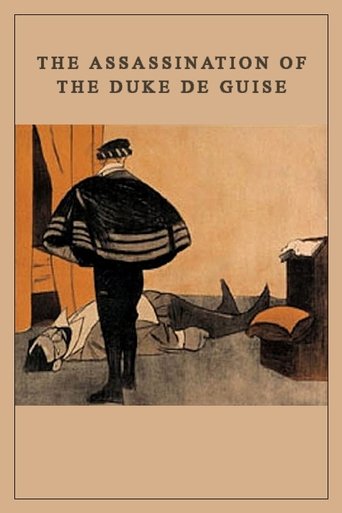
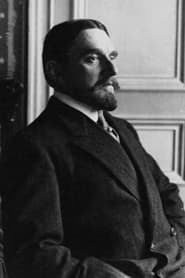
French stage and screen actor who emerged during the days of cinema. His most significant contribution to film history was his role in the 1908 French historical drama 'The Assassination of the Duke de Guise' (L'Assassinat du duc de Guise), which is considered one of the earliest examples of narrative filmmaking with artistic aspirations. Like many actors of his era, Duflos likely had an extensive background in theater before transitioning to the new medium of cinema. The film in which he appeared was notable for being one of the first to feature an original musical score composed by the renowned Camille Saint-Saëns, marking a significant milestone in the evolution of film as an art form. Duflos's career appears to have been brief but impactful, coinciding with the very birth of narrative cinema in France. His participation in this historically significant film places him among the important early figures who helped establish the foundations of cinematic storytelling.
The Craft
On Screen
As an actor from the earliest days of cinema, Duflos likely employed theatrical acting techniques typical of the period, with exaggerated gestures and expressions to compensate for the lack of synchronized sound. His style would have been influenced by 19th-century French theatrical traditions, emphasizing dramatic posture and clear physical storytelling.
Milestones
- Starred in 'The Assassination of the Duke de Guise' (1908)
- Participated in one of the earliest French art films
- Appeared in a film with music by Camille Saint-Saëns
Best Known For
Iconic Roles
Must-See Films
Working Relationships
Worked Often With
Studios
Why They Matter
Impact on Culture
Raphaël Duflos's contribution to cinema, though brief, is culturally significant through his participation in 'The Assassination of the Duke de Guise,' a film that helped establish cinema as a legitimate artistic medium. This film was produced by Le Film d'Art, a company dedicated to elevating cinema's cultural status by adapting historical and literary subjects. The film's prestigious production values, including its original score by Saint-Saëns, helped demonstrate that cinema could be more than mere entertainment, paving the way for the future development of narrative filmmaking as an art form.
Lasting Legacy
Raphaël Duflos's legacy is preserved through his appearance in one of cinema's most important early works. 'The Assassination of the Duke de Guise' is studied by film historians as a crucial example of the transition from simple actualities to complex narrative storytelling. While Duflos himself may not have achieved lasting fame, his contribution to this landmark film ensures his place in the foundational history of cinema.
Who They Inspired
As an actor from cinema's infancy, Duflos's influence lies primarily in his participation in establishing early conventions of screen acting. The theatrical techniques employed by actors of his period would eventually evolve into more naturalistic film acting styles, making performers like Duflos important transitional figures in the development of screen performance art.
Off Screen
Very little is documented about Raphaël Duflos's personal life, which is common for actors from the very early cinema period when detailed biographical records were not systematically maintained. Like many performers of his era, he likely maintained connections to the theater world even as he ventured into the new medium of film.
Did You Know?
- The film he appeared in featured music by renowned composer Camille Saint-Saëns
- The Assassination of the Duke de Guise was one of the first films to be screened at the White House
- The film was produced by Le Film d'Art, a company dedicated to making prestigious artistic films
- His film was only about 15 minutes long, typical of early cinema
- The film depicted a historical event from 1588
- This was one of the earliest examples of a historical drama in cinema
- The film's production involved collaboration between stage and film artists
- The movie was preserved and selected for the National Film Registry in 2001
Frequently Asked Questions
Who was Raphaël Duflos?
French with credits in this catalog.
What films is Raphaël Duflos best known for?
Titles linked here include The Assassination of the Duke de Guise (1908).
When was Raphaël Duflos born and when did he die?
Specific birth and death dates for Raphaël Duflos are not documented in available historical records, which is common for actors from the very early cinema period when biographical details were not systematically preserved.
What awards did Raphaël Duflos win?
Raphaël Duflos did not receive any documented awards, as the film industry award system had not yet been established during his brief career in 1908.
What was Raphaël Duflos's acting style?
As an actor from the earliest days of cinema, Duflos likely employed theatrical acting techniques typical of the period, with exaggerated gestures and expressions to compensate for the lack of synchronized sound, influenced by 19th-century French theatrical traditions.
Why is 'The Assassination of the Duke de Guise' historically significant?
The film is historically significant as one of the first narrative films with artistic aspirations, featuring an original score by Camille Saint-Saëns and being produced by Le Film d'Art to elevate cinema's cultural status beyond mere entertainment.