Films
1 film
About Charles Lorrain
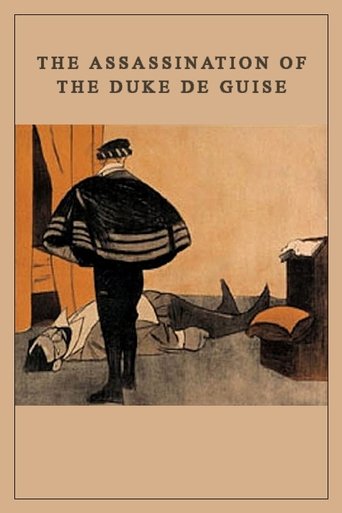
Made a significant but brief appearance in early cinema history with his role in the 1908 film 'The Assassination of the Duke de Guise. ' As a performer during the transitional period when cinema was evolving from simple novelty to narrative art form, Lorrain represented the bridge between theatrical tradition and the emerging medium of film. His participation in this historically important French production placed him among the first actors to appear in a narrative feature film with artistic aspirations. The film itself was notable for being one of the first to have an original musical score composed by Camille Saint-Saëns, elevating it above typical productions of the era. Lorrain's performance style would have been influenced by the grand theatrical traditions of the 19th century, as actors of this period had not yet developed the subtle techniques that would later become standard in film acting. Though his film career appears to have been limited to this single production, his contribution to this work has earned him a place in cinema history as one of the early practitioners of the art form.
The Craft
On Screen
Likely employed theatrical acting techniques typical of the period, featuring exaggerated gestures and dramatic expressions suited to both stage and early film cameras that required clear visual storytelling
Milestones
- Appeared in 'The Assassination of the Duke de Guise' (1908), one of the first French narrative feature films with artistic ambitions
- Participated in a film that featured an original score by renowned composer Camille Saint-Saëns
- Contributed to early cinema during its transition from novelty to art form
Best Known For
Iconic Roles
Must-See Films
Working Relationships
Worked Often With
Studios
Why They Matter
Impact on Culture
Charles Lorrain's contribution to cinema, though limited to a single film, places him among the actors who helped establish narrative filmmaking as an art form. 'The Assassination of the Duke de Guise' was significant in French cinema history as it represented one of the first attempts to create a serious artistic film, moving away from the simple trick films and comedies that dominated early cinema. The film's association with prestigious figures like composer Camille Saint-Saëns elevated the cultural status of cinema and suggested its potential as a legitimate art form worthy of serious artistic consideration.
Lasting Legacy
While Charles Lorrain may not have had an extensive film career, his participation in 'The Assassination of the Duke de Guise' ensures his place in cinema history as one of the early actors who helped legitimize film as an artistic medium. The film itself is studied by film historians as an important example of early French narrative cinema and the attempt to bring cultural prestige to the new art form. Lorrain represents the many stage actors who briefly crossed over into cinema during its infancy, bringing theatrical traditions to the screen and helping establish acting conventions for the new medium.
Who They Inspired
As an early film actor, Lorrain would have been part of the generation that established the basic conventions of film acting, transitioning from theatrical techniques to those better suited to the camera. His work, along with that of his contemporaries, influenced subsequent generations of French actors who would develop more subtle and camera-appropriate performance styles as cinema evolved.
Off Screen
Very little is documented about Charles Lorrain's personal life, which was common for many early film actors who were primarily stage performers and appeared in films only briefly during cinema's formative years.
Did You Know?
- 'The Assassination of the Duke de Guise' was one of the first films to feature an original musical score by a major classical composer
- The film was produced by Société Film d'Art, a company dedicated to elevating cinema's cultural status
- The film's running time was approximately 15 minutes, which was considered substantial for 1908
- Charles Lorrain was likely a stage actor recruited for this prestigious film project
- The film depicted a historical event from 1588 - the assassination of Henry I, Duke of Guise
- This film is considered a precursor to the French feature film tradition that would flourish in the 1930s
- The film was shot in a single day, which was typical for productions of this era
- Only fragments of the original film are known to survive today
Frequently Asked Questions
Who was Charles Lorrain?
Screen credits include the groundbreaking 1908 film 'The Assassination of the Duke de Guise.' He was primarily a stage actor who participated in one of early cinema's most artistically ambitious productions, helping establish narrative filmmaking as a legitimate art form during cinema's transitional period from novelty to serious artistic medium.
What films is Charles Lorrain best known for?
Titles linked here include The Assassination of the Duke de Guise (1908).
When was Charles Lorrain born and when did he die?
Specific birth and death dates for Charles Lorrain are not documented in historical records, which was common for many early film actors who were primarily stage performers. He was active in 1908 and was of French nationality, but detailed biographical information about his life has not been preserved in cinema history.
What awards did Charles Lorrain win?
Charles Lorrain did not receive any formal awards or nominations for his work, as the film industry award system did not exist in 1908. The concept of cinema awards would not emerge until decades later with the establishment of the Academy Awards in 1929.
What was Charles Lorrain's acting style?
Charles Lorrain's acting style would have reflected the theatrical traditions of the late 19th century, featuring the dramatic gestures and exaggerated expressions typical of stage actors transitioning to film. Early film acting had not yet developed the subtle techniques that would later become standard, as actors needed to ensure their performances were clearly visible and understandable to audiences experiencing this new medium.