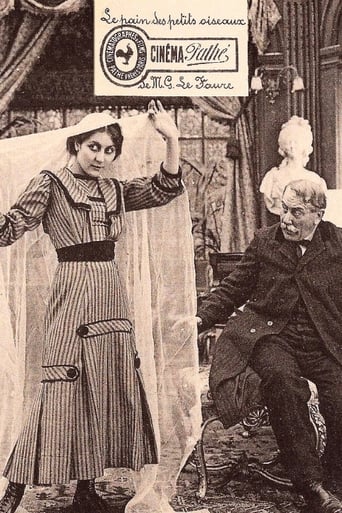
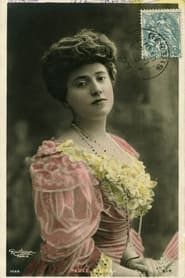
Paule Andral
Actor
- Active
- 1911-1911
Films 1
About Paule Andral
Paule Andral was a French actress active during the early silent era, a period when the screen was still closely connected to stage performance and many performers appeared in only a small number of surviving films. The film record currently associated with her is extremely limited, with Bread for the Birds (1911) being the credited title most readily linked to her name. Because documentation from this period is fragmentary, especially for performers who did not become major international stars, many details of her life and career have not survived in widely accessible reference sources. She appears to have been part of the very early French cinema landscape, when film companies were still experimenting with narrative shorts, literary adaptations, and theatrical casting. No reliable modern reference provides a substantial on-screen biography, and her career is best understood as part of the large group of early European screen actresses whose work helped establish silent-film acting conventions. Her surviving film association places her among the pioneers of pre-World War I cinema, even if her later life and full career path remain undocumented in standard film histories.
More about Paule Andral
On screen
No detailed contemporary reviews or performance descriptions appear to survive for Paule Andral. Given the era and the likely production context of Bread for the Birds (1911), her acting would have been shaped by early silent-film conventions: expressive facial work, clear physical gesture, and stage-derived emotional emphasis. Without surviving footage or contemporary criticism tied specifically to her name, any more precise description would be speculative.
In film history
Paule Andral’s cultural impact is best understood within the broader history of early French cinema rather than through a long, well-documented star career. Performers like her formed the backbone of the silent era’s expansion, helping establish the screen presence, gesture, and emotional clarity that audiences came to associate with film acting. Even when an individual performer’s surviving record is minimal, their credit in an early 1911 production places them within the foundational years of narrative cinema. Her presence in the historical record is also valuable because it reflects the many women who worked in front of the camera during cinema’s formative period, often with little subsequent archival preservation. In that sense, Paule Andral contributes to the understanding of film history as a collaborative and international medium shaped by hundreds of less famous artists whose names still appear in surviving credits.
Later reputation
Her lasting legacy lies primarily in archival and historical significance rather than star recognition. Paule Andral represents the category of early silent-film performers whose names survive through film credits, trade references, and preservation efforts, even when personal details have been lost. For historians, such figures are important because they document the scale and diversity of early European film production and the participation of women in it. Her credit in Bread for the Birds (1911) gives researchers a point of entry into early French screen culture and the cast networks of the period. While she is not a widely celebrated name in mainstream film history, her record remains part of the collective foundation of the medium.
Influence
There is no documented evidence that Paule Andral directly mentored later performers or exerted a traceable influence on specific actors or directors. Her influence is therefore indirect: she stands among the early practitioners who helped normalize silent acting vocabulary in European cinema. By participating in early narrative film, she contributed to the evolving grammar of screen performance that later actresses and filmmakers would inherit and refine. For historians, such performers are important because they show how quickly acting styles and production methods became standardized in the silent era. Her name’s survival in film records also supports restoration, cataloging, and scholarship on early French film culture.
Off screen
No reliable, widely documented information is readily available about Paule Andral’s personal life, including family background, marriages, or later years. This is common for performers from the earliest years of cinema, especially those whose careers were brief or whose work was not preserved in major star biographies. At present, the available record is primarily filmographic rather than biographical.
Education
No verified information is available about her education. As with many early silent-era performers, she may have had theatrical training or stage experience, but no dependable source currently confirms this.
Credits
- Appeared in Bread for the Birds (1911), the principal film currently associated with her name.
- Worked during the formative years of French silent cinema, when screen acting was transitioning from stage-influenced presentation to more naturalistic film performance.
- Represents one of the many early European actresses whose names survive in filmographies even when biographical documentation is scarce.
- Contributed to the body of pre-World War I cinematic production in France, one of the most important centers of early film production.
- Her film credit helps preserve evidence of the breadth of early women’s participation in cinema production and performance.
Roles
- Role in Bread for the Birds (1911)
Films
- Bread for the Birds (1911)
Notes
- Her name is primarily preserved through early filmography records rather than through extensive biographical writing.
- Bread for the Birds (1911) is the main title currently associated with her in accessible film databases.
- She worked during the first decade of narrative film production, when many films were short and documentation was inconsistent.
- As an early French screen actress, she belongs to one of the most important national cinemas of the silent era.
- Little to no personal information about her appears to survive in standard reference sources, which is common for performers of this period.
- Her surviving credit makes her part of the historical record of women working in cinema before World War I.
- Because early film credits were often incomplete, additional work by her may exist under variant records or in lost films.
Questions
Who was Paule Andral?
Paule Andral was a French actress associated with the early silent-film era. The surviving record most clearly links her to Bread for the Birds (1911), and beyond that, her biography is sparsely documented. She is best understood as part of the foundational generation of European screen performers.
What films is Paule Andral best known for?
She is currently best known for Bread for the Birds (1911), which is the principal film credited to her in available film records. Because documentation from the period is incomplete, additional appearances may be lost, uncredited, or not yet firmly identified.
When was Paule Andral born and when did she die?
Her birth and death dates are not reliably documented in the accessible record. Likewise, her birthplace and life dates remain unavailable in standard references currently associated with her filmography.
What awards did Paule Andral win?
No awards or formal honors are currently documented for Paule Andral. That is not unusual for performers from the silent era, particularly those whose careers were brief or whose surviving biographies are limited.
What was Paule Andral's acting style?
No detailed critical description of her acting style survives in the commonly accessible record. Given the 1911 context, her performance would likely have followed early silent-era conventions, relying on expressive gesture, clear facial emotion, and stage-influenced physicality.
What is Paule Andral's legacy in film history?
Her legacy is historical rather than star-based. She represents the many early performers whose names survive in film records and whose work helped build the language of silent cinema, especially in France, one of the medium’s earliest centers.