No Poster
Films
2 films
About Frank Moser
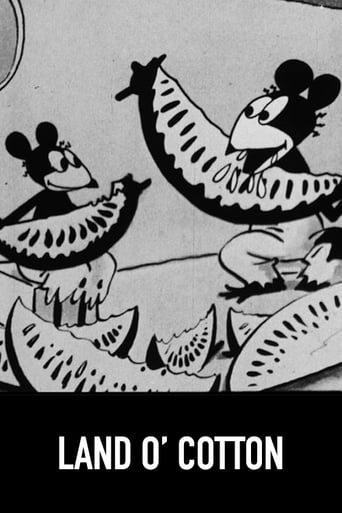
American film director active during the late 1920s, working primarily during the transitional period from silent films to early sound cinema. His brief directorial only two years, from 1928 to 1929, during which he helmed at least two films. His most notable works include 'Land o' Cotton' (1928), a rural drama that captured the essence of Southern life during the late silent era, and 'Snapping the Whip' (1929), which was produced during the industry's shift to sound technology. Moser's films were typical of the era's programming pictures, modestly budgeted productions designed to fill theater schedules. Despite his limited output, Moser's work represents the type of journeyman filmmaking that characterized much of Hollywood's production during this period of rapid technological and industrial change. After 1929, Moser appears to have left the film industry entirely, making him one of many directors whose careers were either cut short or voluntarily ended during the challenging transition to sound cinema.
The Craft
Behind the Camera
Moser's directing style was characteristic of late silent era programmers, focusing on straightforward storytelling and efficient production methods typical of journeyman directors of the period. His work demonstrated competence in visual storytelling during the final years of silent cinema, though his brief career limits comprehensive analysis of his artistic approach.
Milestones
- Directed 'Land o' Cotton' (1928)
- Directed 'Snapping the Whip' (1929) during the transition to sound
- Worked during the pivotal silent-to-sound transition period
Best Known For
Must-See Films
Why They Matter
Impact on Culture
Frank Moser's cultural impact was minimal due to his extremely brief career, but his work serves as an example of the type of journeyman filmmaking that sustained Hollywood during the late silent period. His films represent the thousands of programmer pictures that filled theater schedules during the transition to sound, providing insight into the types of productions that characterized everyday cinema-going experiences of the late 1920s. While not individually influential, directors like Moser collectively formed the backbone of Hollywood's production system during this pivotal era of change.
Lasting Legacy
Frank Moser's legacy is primarily that of a representative example of the many journeyman directors who worked briefly in Hollywood during the silent era. His two known films serve as historical artifacts documenting the types of productions being made during the industry's transition to sound. While he did not achieve lasting fame or influence, his work contributes to our understanding of the full spectrum of filmmaking during the late 1920s, beyond the famous directors and major productions that typically dominate film histories.
Who They Inspired
Given his brief career and limited output, Frank Moser did not have a documented influence on other filmmakers or subsequent generations of directors. His work remains primarily of historical interest to scholars studying the breadth of silent era production rather than as a source of artistic influence.
Off Screen
Very little is documented about Frank Moser's personal life, reflecting his brief tenure in the film industry and the limited historical records available for journeyman directors of the silent era. Like many directors of his era who worked on modest productions, his life outside of his two-year film career remains largely undocumented in film history sources.
Did You Know?
- Frank Moser's entire known directorial active years covered only two years (1928-1929)
- His film 'Snapping the Whip' (1929) was released during the same year as 'The Jazz Singer', the film that revolutionized sound in cinema
- Both of his known films were produced during the final years of the silent era
- Like many directors of his era, Moser worked on what were known as 'programmer' pictures - modestly budgeted films designed to fill theater schedules
- His career ended around the time many silent era directors struggled to adapt to sound technology
- Very little biographical information exists about Moser, typical of journeyman directors who worked on lower-profile productions
- His films are considered rare and are not widely available in modern home media formats
Frequently Asked Questions
Who was Frank Moser?
American on YTB.my. His brief active years covered from 1928 to 1929, making him a representative example of the many journeyman directors who worked during this pivotal period in film history.
What films is Frank Moser best known for?
Titles linked here include Land o' Cotton (1928), Snapping the Whip (1929).
When was Frank Moser born and when did he die?
Frank Moser's birth and death dates are not documented in available historical records, reflecting his brief career and the limited documentation available for journeyman directors of the silent era. His known activity in film was limited to 1928-1929.
What awards did Frank Moser win?
There are no documented awards or nominations for Frank Moser, which was typical for directors working on programmer pictures during the silent era. His films were modest productions that were not submitted for major industry recognition.
What was Frank Moser's directing style?
Moser's directing style was characteristic of late silent era journeyman directors, focusing on efficient, straightforward storytelling suitable for programmer pictures. His work demonstrated competence in the visual language of silent cinema, though his brief career limits comprehensive analysis of his artistic approach.
Why did Frank Moser's career end so quickly?
Moser's career ended around 1929, likely due to the massive industry disruption caused by the transition to sound cinema. Many directors of the silent era, particularly those working on modest productions, struggled to adapt to the new technology or found opportunities diminished during this transitional period.