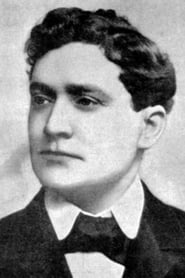
Henry Krauss
Actor
Born: 1866 in Paris, France Died: 1935 Active: 1913-1913 Birth Name: Henri Krauss
Films
3 films
About Henry Krauss
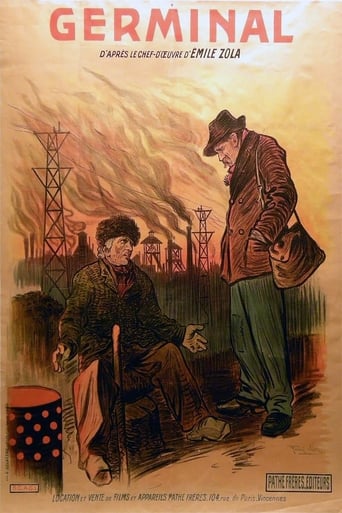
French actor who emerged during the years of cinema, making his mark in the silent era with his performance in the 1913 adaptation of Émile Zola's masterpiece 'Germinal.' Though his film career appears to have been brief, spanning primarily the year 1913, Krauss was part of the early wave of theatrical actors transitioning to the new medium of cinema. His involvement in 'Germinal' placed him at the forefront of French literary adaptations on screen, working during a period when cinema was establishing itself as a serious art form. The film itself was significant as one of the earliest major adaptations of Zola's work, showcasing the growing ambition of French filmmakers. Krauss likely brought theatrical training to his screen performance, as was common among early film actors who came from stage backgrounds. His contribution, while limited in scope, represents the important foundation laid by early cinema pioneers who helped establish the art of film acting.
The Craft
On Screen
As a silent era actor, Krauss likely employed exaggerated gestures and expressive facial techniques typical of early cinema, where actors needed to convey emotion without dialogue. His background in theater would have influenced his screen presence, bringing dramatic intensity suitable for literary adaptations.
Milestones
- Starred in the landmark 1913 French silent film adaptation of 'Germinal'
- Participated in early French cinema's literary adaptation movement
- Contributed to silent era performance techniques
Best Known For
Iconic Roles
Must-See Films
Working Relationships
Worked Often With
Studios
Why They Matter
Impact on Culture
Henry Krauss contributed to the important cultural moment when French cinema began adapting major literary works for the screen. His participation in 'Germinal' (1913) was part of a broader movement that elevated cinema from mere entertainment to a serious artistic medium capable of handling complex social themes. The film itself was significant for bringing Zola's powerful social commentary about mining communities and labor struggles to early cinema audiences, helping establish film as a vehicle for social commentary and literary adaptation.
Lasting Legacy
While Henry Krauss may not be widely remembered today, his work represents the foundational contributions of early cinema pioneers who helped establish the art of film acting. His performance in 'Germinal' stands as part of the historical record of French cinema's early ambitions and its role in adapting important literary works. The film itself remains historically significant as one of the earliest major adaptations of Zola's work, showcasing the artistic aspirations of early 20th century French filmmakers.
Who They Inspired
As an early film actor, Krauss was part of the generation that helped establish screen acting techniques during the transition from theater to cinema. His work in literary adaptations contributed to the development of more sophisticated approaches to film performance, moving away from the simplistic acting styles of very early cinema toward more nuanced interpretations suitable for dramatic literary material.
Off Screen
Henry Krauss lived during the transformative period of cinema's birth and early development in France. His career coincided with the transition from theatrical traditions to the new art form of motion pictures. Details about his personal life, family, and relationships remain scarce in historical records, which was common for many early film actors whose contributions were not extensively documented.
Education
Likely theatrical training, though specific educational details are not well documented in historical records
Did You Know?
- Appeared in cinema during its years when films were still silent and typically shorter in length
- Participated in one of the earliest major adaptations of Émile Zola's work
- His film career was concentrated in a single year, 1913, which was not uncommon for early cinema actors
- Worked during the golden age of French cinema before World War I disrupted the European film industry
- The film 'Germinal' (1913) was directed by Albert Capellani, a prominent early French director known for literary adaptations
- Early French cinema actors like Krauss often came from theatrical backgrounds
- His real name was Henri Krauss, using the anglicized 'Henry' for his film work
Frequently Asked Questions
Who was Henry Krauss?
French silent era with credits in this catalog.' He was active during the years of French cinema when the medium was establishing itself as a serious art form.
What films is Henry Krauss best known for?
Titles linked here include Germinal (1913).
When was Henry Krauss born and when did he die?
Born 1866; died 1935.
What awards did Henry Krauss win?
There are no recorded awards or honors for Henry Krauss, which was typical for many early cinema actors whose contributions predated the establishment of formal film industry awards.
What was Henry Krauss's acting style?
As a silent era actor, Krauss likely employed theatrical techniques with exaggerated gestures and expressive facial work to convey emotion without dialogue, common practice in early cinema before more naturalistic acting styles developed.