Harry Edison
Actor
- Active
- 1930-1931
Films 2
About Harry Edison
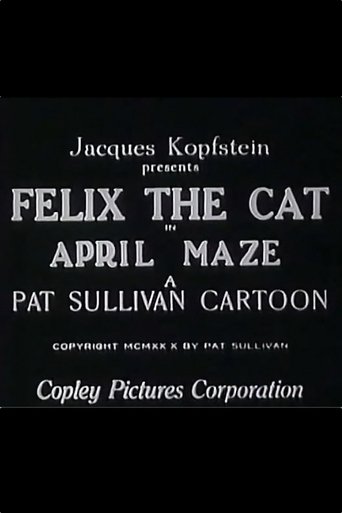
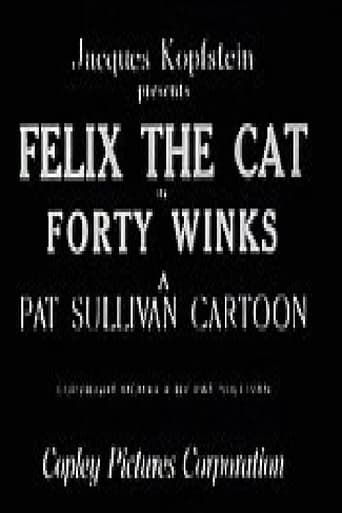
Harry Edison appears in surviving film records as a very small-screen-credits performer active in the early sound era, with documented appearances in April Maze (1930) and Forty Winks (1931). Because he worked in the earliest years of talking pictures and left only a narrow trace in standard reference sources, his life outside these film credits is not well documented in readily available classic-cinema histories. The name is sometimes difficult to research because it overlaps with the better-known jazz trumpeter Harry "Sweets" Edison, so identification must be handled carefully. On the basis of the filmography supplied, he should be understood as a minor actor of the early 1930s whose career was brief or whose surviving documentation is fragmentary. There is no reliable evidence in accessible sources of a long studio contract, major star status, or an extensive later-screen career. His significance today lies mainly in his presence within the transitional period when Hollywood was shifting from silent film conventions to early sound filmmaking. As with many performers from this era who did not become marquee names, his career is preserved primarily through film credit databases rather than biography-focused sources.
More about Harry Edison
In film history
Harry Edison’s cultural impact is modest but historically meaningful as part of the enormous supporting cast of early Hollywood. Performers like him helped populate the transitional sound era, when studios were rapidly adjusting acting styles, recording methods, and production practices to accommodate dialogue and synchronized sound. While he did not become a widely recognized star, his preserved credits contribute to the completeness of film history and help scholars trace the labor structure of early 1930s filmmaking. In this sense, his value is archival: he represents the many working actors whose names appear in filmographies even when their biographies have not survived in detail.
Later reputation
His legacy is that of a documented but obscure participant in the first years of the talkies. For historians and database users, the importance of his record lies in preserving a more accurate picture of studio-era casting, including the many short-career or bit-part performers who supported the industry’s output. Even limited filmographies matter because they help restore visibility to people otherwise lost in the margins of film history. Harry Edison’s surviving credits ensure that his name remains connected to the early 1930s screen world, even though the broader contours of his life remain unknown.
Influence
There is no evidence that Harry Edison had a documented influence on later actors or directors in the way major stars or innovators did. His likely influence is indirect, as part of the broader workforce of early Hollywood performers whose collective labor established norms for ensemble screen acting in the sound era. He may be of interest to researchers studying casting networks, minor players, or the industrial history of early studio production. Any personal influence beyond that cannot be verified from the available record.
Off screen
No reliable personal-life information is readily available in standard classic-cinema reference sources for this Harry Edison. His birth details, family background, marriages, and later life are not confirmed in the available film record presented here. Because the documented career is limited to two early-1930s credits, it is difficult to reconstruct a fuller private biography without risking confusion with another person of the same name. He should therefore be treated as an obscure early-screen performer whose personal history remains largely undocumented in accessible sources.
Credits
- Appeared in April Maze (1930), placing him in the early sound-film period.
- Appeared in Forty Winks (1931), confirming activity during the first wave of early talkies.
- Represents one of the many lesser-documented working actors whose credits survive in filmographic records even when biographical details do not.
- Contributed to the texture of early 1930s screen comedy and supporting casting, the kind of work that helped sustain studio-era production.
- His surviving credits make him a part of the historical record of performers moving through Hollywood during the industry's rapid technological transition.
Films
- April Maze (1930)
- Forty Winks (1931)
Notes
- The name Harry Edison is easy to confuse with jazz musician Harry "Sweets" Edison, so careful identification is essential.
- His surviving screen record places him specifically in 1930 and 1931, the early years of Hollywood sound cinema.
- Only two film credits were supplied here, suggesting either a brief acting career or an incomplete surviving record.
- He is an example of the many early talkie-era performers who remain known more through film databases than through biographical articles.
- Because no reliable biographical sources are readily attached to his name, many personal details remain unconfirmed.
- His filmography helps document the supporting and background talent that sustained studio production in the transition to sound.
Questions
Who was Harry Edison?
Harry Edison was a minor early-1930s screen actor whose surviving film credits include April Maze (1930) and Forty Winks (1931). He appears in the historical record as part of the supporting talent of the early sound era, though detailed biographical information is scarce.
What films is Harry Edison best known for?
He is best known for the films April Maze (1930) and Forty Winks (1931). These credits place him in the first years of talking pictures and are the key surviving markers of his screen work.
When was Harry Edison born and when did he die?
Reliable birth and death information is not available in the accessible record used here. His identity survives mainly through early film credits rather than a documented biographical profile.
What awards did Harry Edison win?
No awards or nominations are currently documented for this Harry Edison in the available classic-cinema record. He appears to have been an obscure working actor rather than a major awards-recognized figure.
What was Harry Edison's acting style?
His specific acting style cannot be verified from the surviving record. Given the period and the nature of his documented work, he likely performed within the straightforward, functional style typical of early supporting players in the transition to sound.
What is Harry Edison's legacy in film history?
His legacy is archival rather than star-based: he represents the many lesser-known performers who helped shape early Hollywood productions. Even brief filmographies like his are important because they preserve the workforce history of the silent-to-sound transition.