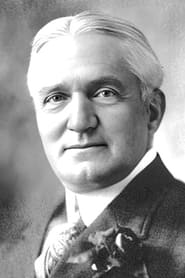
Charles Eldridge
Actor
Born: September 25, 1854 in New York City, New York, USA Died: October 29, 1922 Active: 1910-1922 Birth Name: Charles W. Eldridge
Films
1 film
About Charles Eldridge
American actor who successfully transitioned from a stage career to the emerging medium of silent film in the early 20th century. Born in New York City in 1854, he began his performing career in theater during the Victorian era, honing his craft on legitimate stages before the advent of cinema. Eldridge joined Vitagraph Studios in 1910, becoming one of the company's most reliable character actors during the crucial formative years of American cinema. Charles appears in over 100 films between 1910 and his death in 1922, often playing authoritative figures such as fathers, businessmen, and officials. His most notable work included his contributions to the popular 'Bunnyfinch' comedy series starring John Bunny and Flora Finch, where he provided steady supporting performances. Eldridge's the entire transitional period when cinema was evolving from novelty to art form, and his performances exemplify the theatrical acting style that characterized early silent films. He continued working actively until his final year, leaving behind a significant body of work that documents the development of American film comedy.
The Craft
On Screen
Eldridge's acting style reflected his theatrical training, characterized by broad gestures, exaggerated facial expressions, and deliberate movements that were necessary for silent film communication. He employed a dignified, measured approach to character portrayal, often serving as the straight man in comedies while maintaining a commanding presence in dramatic roles. His performances demonstrated the transition from 19th-century stage techniques to early film acting, with a focus on clear physical storytelling and emotional expression through body language rather than subtle facial nuances.
Milestones
- Transitioned from stage to silent film in 1910
- Became regular performer at Vitagraph Studios
- Member of the popular Bunnyfinch comedy team
- Appeared in over 100 films during career
- Known for playing authority figures and character roles
- Worked during the crucial formative years of American cinema
Best Known For
Iconic Roles
Must-See Films
Accolades
Special Recognition
- Pioneer of American silent film
- Contributor to early film comedy development
Working Relationships
Worked Often With
Studios
Why They Matter
Impact on Culture
Charles Eldridge contributed significantly to the development of early American cinema during its formative years. His work helped establish the visual language of silent film acting, particularly in the comedy genre where clear character archetypes were essential. As part of the Vitagraph ensemble, he participated in creating some of the first film comedy series that would influence generations of filmmakers. His performances documented the transition from theatrical to cinematic acting styles, providing a bridge between 19th-century stage traditions and 20th-century film techniques. Eldridge's body of work represents an important chapter in American cultural history, capturing the entertainment values and social norms of the Progressive Era.
Lasting Legacy
Charles Eldridge's legacy lies in his contribution to over 100 silent films that serve as historical documents of early American cinema. His work with the Bunnyfinch comedy team helped popularize the short comedy format that would become a staple of film production. As a character actor who successfully adapted from stage to screen, he exemplified the skills required during cinema's transitional period. His films continue to be studied by film historians and scholars interested in the evolution of American acting styles and comedy techniques. Eldridge represents the generation of performers who laid the groundwork for the Hollywood studio system that would follow.
Who They Inspired
Eldridge influenced subsequent generations of character actors by demonstrating how theatrical training could be adapted for the screen. His work in ensemble comedy helped establish the importance of reliable supporting performances in film comedy. The clear character types he developed influenced how supporting roles would be written and performed throughout the silent era and into early sound films. His ability to transition between dramatic and comedic material showed early actors the versatility required in film performance. His collaboration with Vitagraph Studios contributed to the development of the studio system approach to film production.
Off Screen
Charles Eldridge maintained a relatively private personal life despite his public career. He was born into a post-Civil War America and witnessed the tremendous technological and social changes of the late 19th and early 20th centuries. His transition from stage to film reflected the broader cultural shift from theatrical to cinematic entertainment. Eldridge continued performing until shortly before his death, demonstrating his dedication to his craft. He passed away in New York City at the age of 68, leaving behind a legacy as one of the early character actors who helped establish the foundation of American cinema.
Education
Family
- Information not available in historical records
Did You Know?
- Was 56 years old when he made his film debut in 1910
- Appeared in the popular 'Bunnyfinch' comedy series that made John Bunny a star
- Worked during the same period as other silent film pioneers like D.W. Griffith
- His film active years covered only 12 years but included over 100 films
- Was part of Vitagraph Studios during its peak years as a leading American film producer
- His stage career likely began in the 1870s or 1880s
- Witnessed the entire evolution of American cinema from its infancy to establishment
- Often played the 'heavy' or authority figure in comedy shorts
- His films were among the first to demonstrate the commercial potential of film comedy
- Worked in both New York and California during the early film industry's geographic expansion
In Their Own Words
No documented quotes from Charles Eldridge survive from historical records
Frequently Asked Questions
Who was Charles Eldridge?
American with credits in this catalog. He worked primarily with Vitagraph Studios and appeared in over 100 films between 1910 and 1922, often playing authority figures and supporting roles in comedies.
What films is Charles Eldridge best known for?
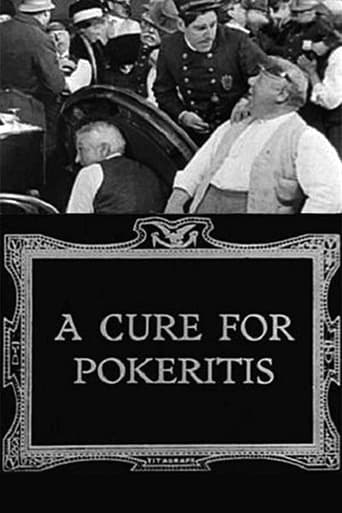
Titles linked here include A Cure for Pokeritis (1912), The Golf Caddie's Bunk (1912).
When was Charles Eldridge born and when did he die?
Born September 25, 1854; died October 29, 1922.
What awards did Charles Eldridge win?
Charles Eldridge did not receive formal awards during his career, as the Academy Awards and other major film honors were not established until after his death. His recognition comes from his significant contribution to early American cinema and his role in developing film comedy during the silent era.
What was Charles Eldridge's acting style?
Eldridge's acting style reflected his theatrical training with broad gestures and exaggerated expressions typical of early silent film actors. He specialized in playing authority figures and character roles with a dignified, measured approach that served as an effective counterpoint to comedic leads.
How did Charles Eldridge impact early cinema?
Charles Eldridge helped establish the foundation of American film comedy through his work in over 100 silent shorts. His transition from stage to screen exemplified how theatrical techniques were adapted for cinema, and his reliable supporting performances contributed to the development of the ensemble comedy format that would become a film industry staple.